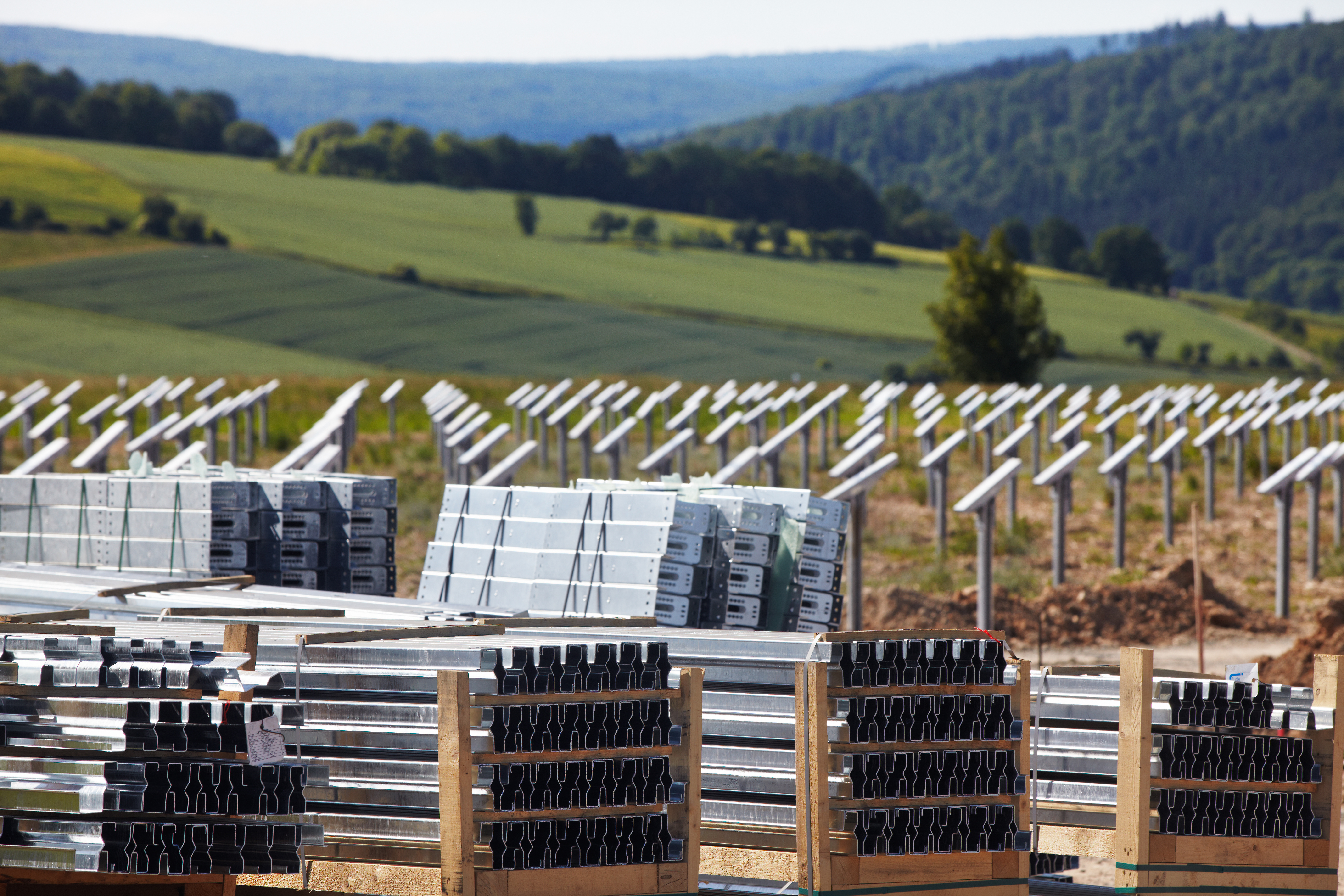
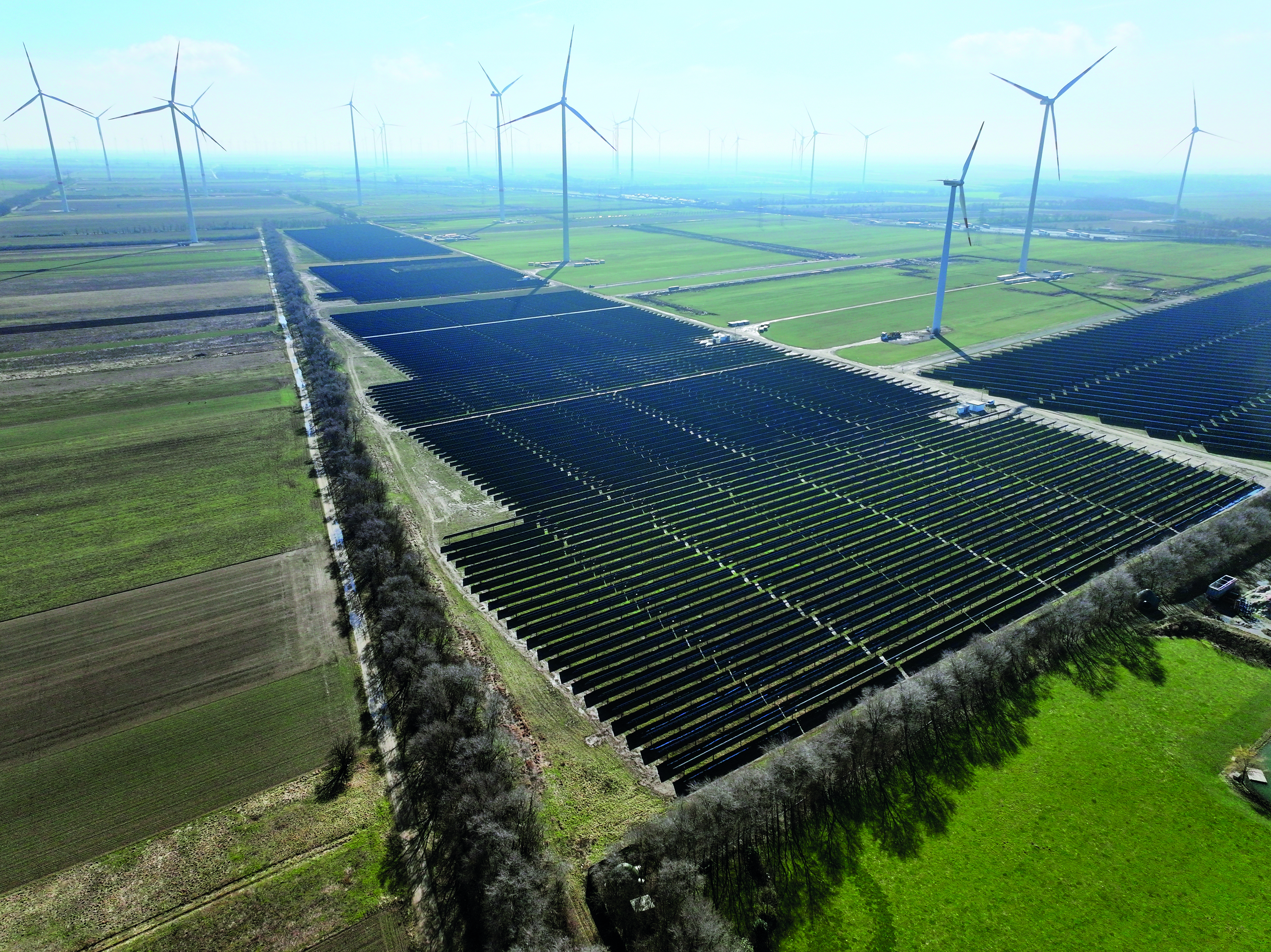
As utility-scale solar expands, suitable land is becoming a more important project constraint. Agri-photovoltaics (AgriPV), which combines electricity generation with continued agricultural use, offers one route to increasing solar capacity without dedicating land exclusively to energy production.
IDEEMATEC argues that this makes tracker selection increasingly important. In AgriPV, the tracker must optimise energy generation while allowing farming activities to continue throughout a project life that may exceed 25 years.
Why timing matters for solar generation
Trackers are normally associated with increasing energy yield by following the sun. Their economic role is becoming broader as market-based electricity pricing becomes more influential.
Fixed-tilt and rooftop systems can produce strongly around midday, when high solar output may contribute to oversupply and lower electricity prices. Tracking can extend generation into the morning and late afternoon, potentially increasing production during periods when electricity has greater market value.
A more even generation profile may also reduce some of the pressure created by concentrated midday solar production.
Why AgriPV changes tracker requirements
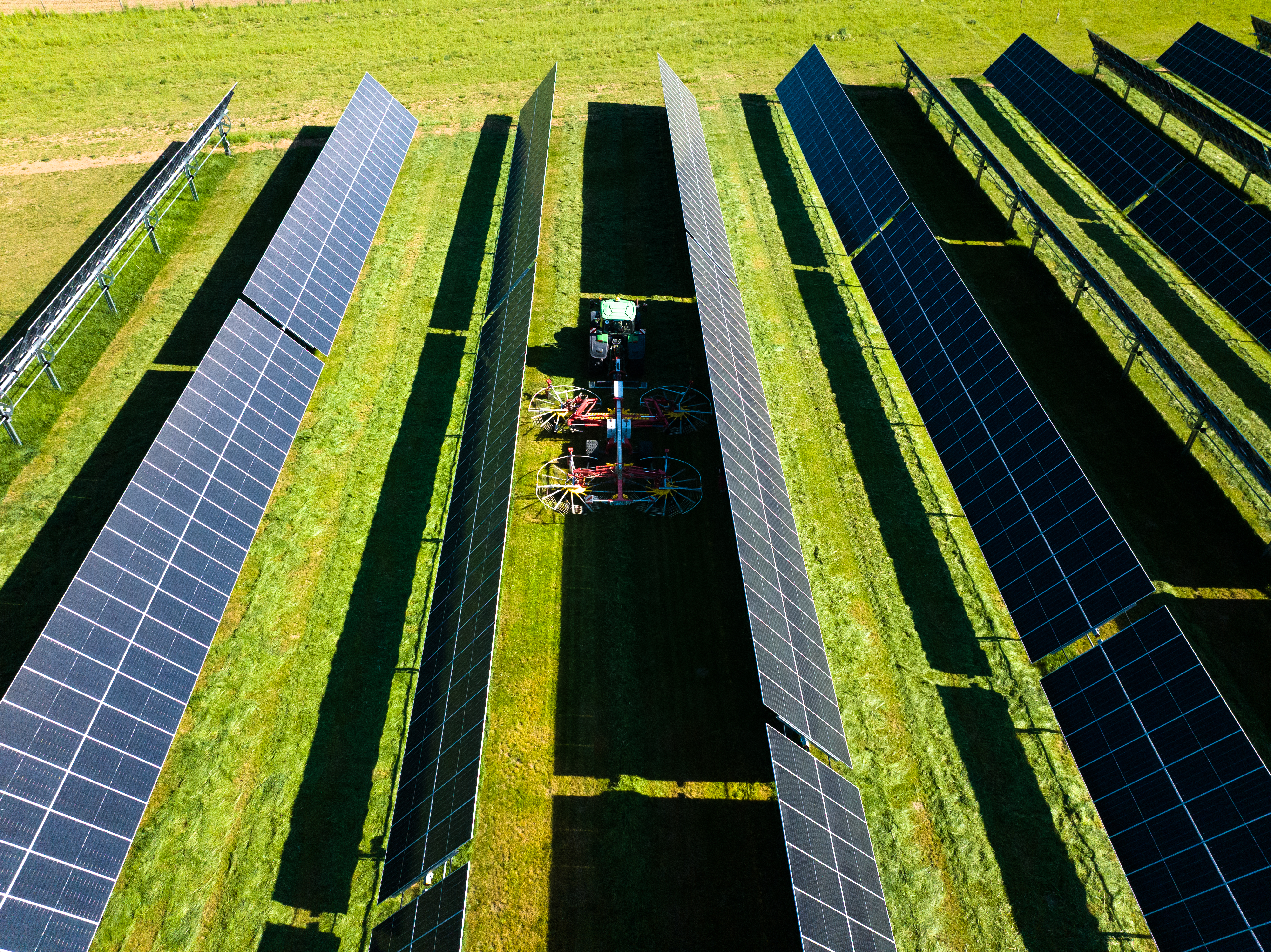
A defining feature of AgriPV is that agricultural machinery must continue operating between and beneath PV structures.
Three factors support further development:
- Location flexibility: agricultural and energy production can share the same land
- Proximity to demand: projects may be developed closer to industrial loads and regional consumption
- Regulatory support: policy frameworks are increasingly recognising dual-use solar
Unlike a conventional solar site, however, an AgriPV project must respond to both electrical and agricultural requirements.
Crop patterns can change, farming machinery needs sufficient access and different crops may require different light conditions. Regulations and electricity market incentives may also change during the operating life of the project.
Moving from upfront cost to lifecycle performance
For independent power producers (IPPs), IDEEMATEC argues that this shifts the emphasis from capital expenditure towards lifecycle operating costs.
A tracker with a lower initial price may become more expensive if it introduces additional maintenance, downtime or restrictions on agricultural activity. Conversely, reliability and adaptability can protect energy yield and reduce maintenance requirements over the project lifetime.
Important considerations therefore include:
- Mechanical reliability
- Access for agricultural machinery
- Adaptable tracking and stow strategies
- Maintenance requirements
- Long-term operational costs
- Energy yield and timing
The tracker becomes part of both the solar plant and the agricultural working environment.
Designing for long-term operation
IDEEMATEC says it has installed more than 500 MWp of AgriPV trackers. Its approach focuses on reliability, standardisation and installation speed.
The company says its decoupled drive system transfers loads into the tracker structure rather than the modules, with the aim of reducing wear and supporting predictable maintenance.
It also states that its L:TEC platform provides a common system architecture across different projects, while allowing adaptation to individual site requirements.
Preassembled components and a reduced parts count are intended to simplify construction. IDEEMATEC claims its system can use up to 30 per cent fewer parts than conventional tracker systems, potentially shortening installation times. These are company-specific performance and design claims.
A decision that lasts for decades
Modules and inverters can be replaced during a project’s operating life, but the tracker forms the mechanical backbone of the installation. Its design influences maintenance, agricultural access, system resilience and the ability to adapt operating strategies.
As AgriPV moves into larger utility-scale developments, tracker selection may therefore need to be considered as a long-term operational decision rather than simply another equipment procurement exercise.
The challenge is to generate electricity efficiently while preserving the agricultural purpose of the land. For projects expected to operate for decades, the ability to accommodate both requirements could become one of the defining measures of successful AgriPV design.
Read the complete Industrial Insight feature from IDEEMATEC on utility-scale AgriPV, tracker technology and lifecycle performance in PES Solar: https://pes.eu.com/exclusive-articles/why-the-tracker-is-now-the-defining-decision-in-utility-scale-agripv



-1.jpg)