Exclusive Articles

Why the tracker is now the defining decision in utility-scale AgriPV


Published in: Solar, Exclusive Articles, Industrial Insight

Why the tracker is now the defining decision in utility-scale AgriPV image

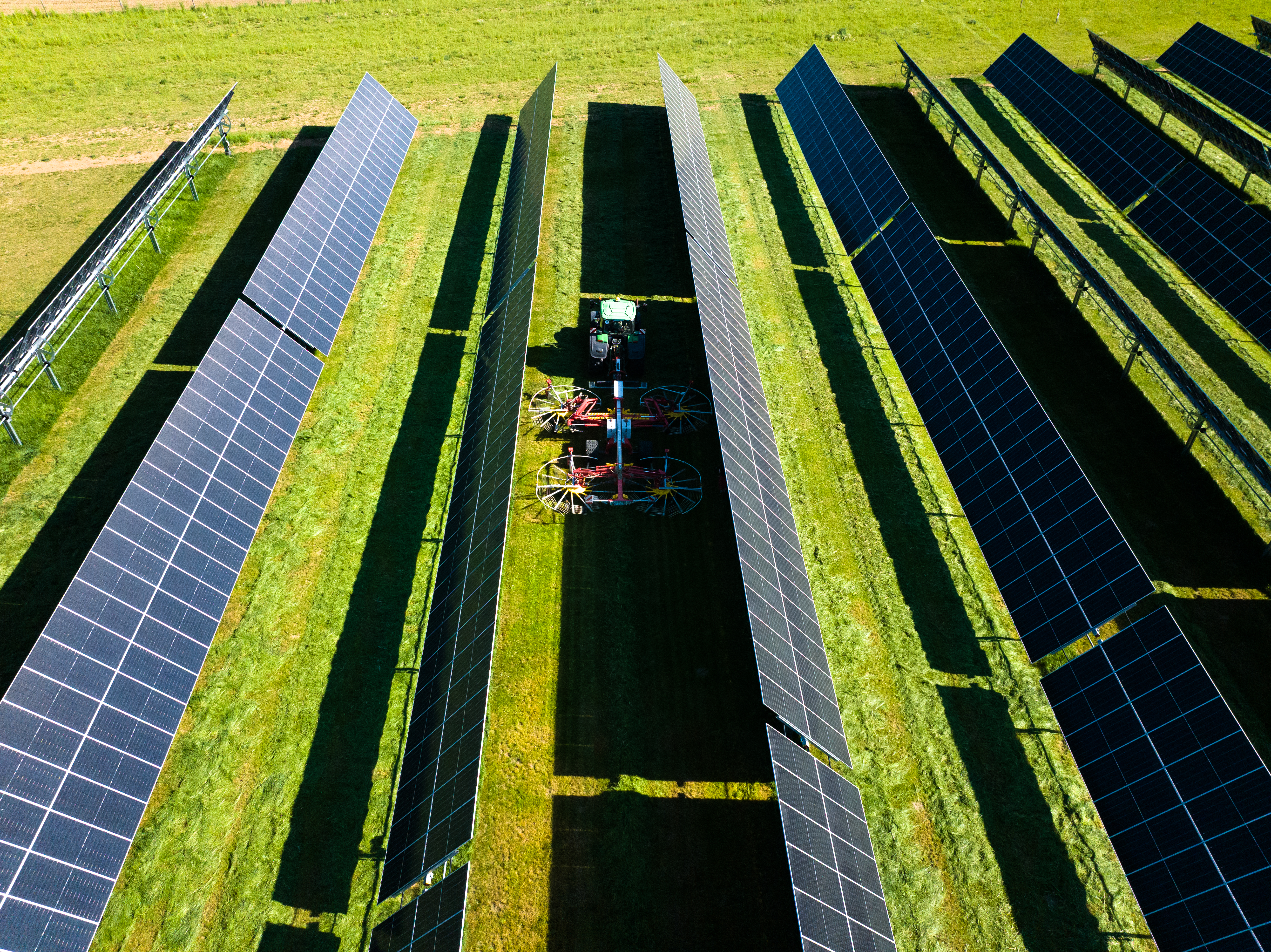
In utility-scale AgriPV, the tracker is no longer just a component. It is the decision that shapes long-term performance, reliability and profitability. With more than 500 MWp installed, IDEEMATEC is helping set the standard for tracker technology built for the future of dual-use solar.

When it comes to utility-scale solar, most component variables have stabilized. Module efficiency has plateaued into predictable increments; inverter technology is mature, bankable and standardized across projects. Supplier preference? No longer connected
to product quality, but reliability in delivery. Even EPC processes are optimized, repeatable and increasingly commoditized. In short: the core building blocks of large-scale PV have converged.

One critical component, however, has not: the tracker.

The key role of trackers within utility-scale solar goes beyond mechanical performance.
It directly affects the economic output of a project after commissioning due to market-based electricity pricing. It’s not as simple as how much energy can be generated; instead, timing matters. A midday peak, when fixed-tilt and rooftop systems produce the most simultaneously, creates an oversupply and prices plummet. The result: maximum production at a time of minimal gain.

Tracker-based systems, as the name implies, follow the sun over the course of the day, producing more energy at higher-value times such as early morning and late afternoon.
The tracker optimizes not only for the sun but for the market. A powerful side effect:
a more even power supply relieves pressure from grids and markets that suffer from capacity pressure.

Those who understand the tracker as an economic optimizer realize it’s not a means to an end; it’s the strategic tool. And this tool can become key when land becomes the next critical project variable.

 Download full article