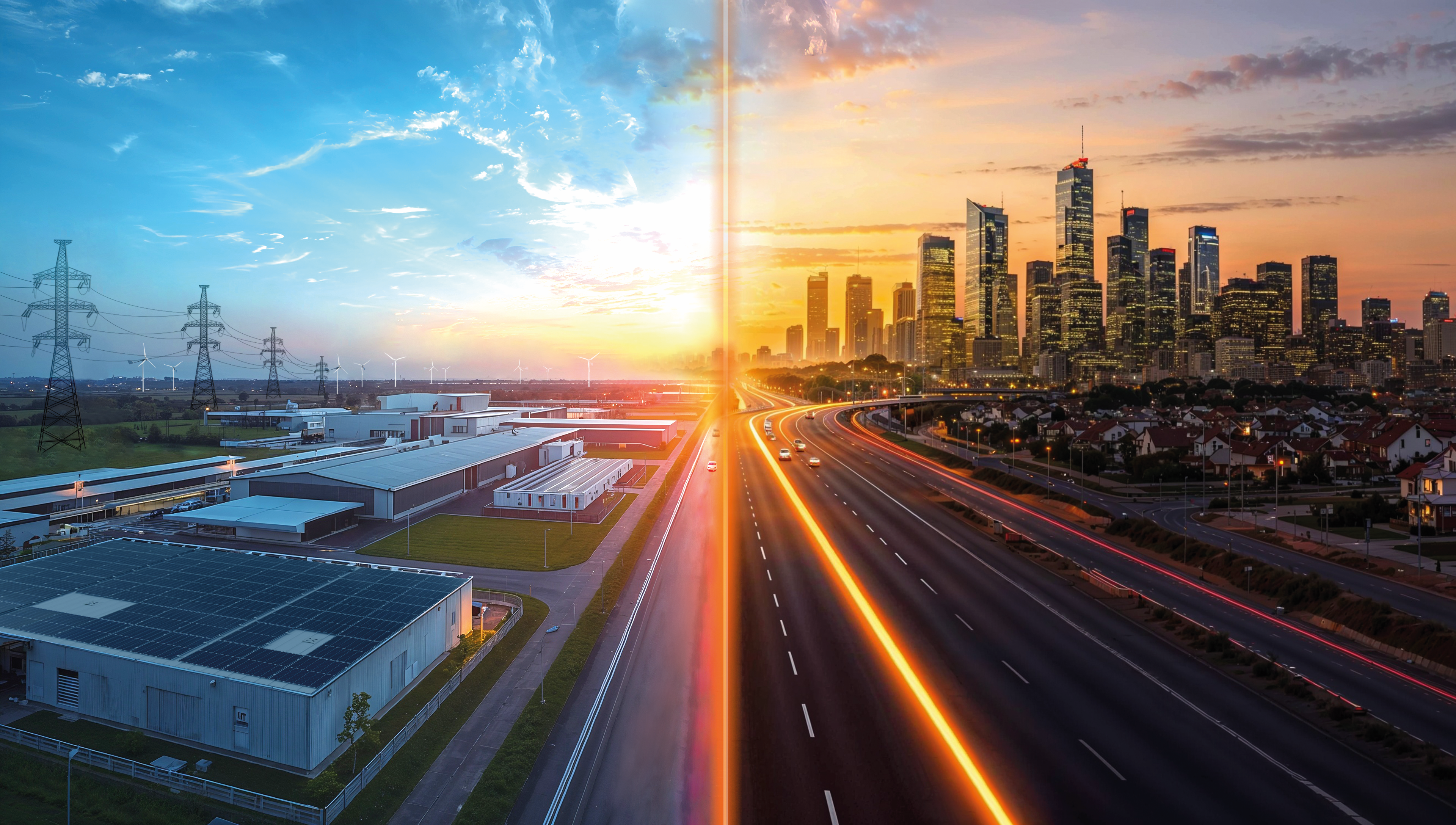
Price shocks, geopolitical conflict and rising electricity demand are putting Europe’s energy system under pressure. The challenge is no longer simply to add generating capacity, but to provide electricity reliably while keeping costs manageable and reducing dependence on imported fossil fuels.
The smarter E Europe argues that faster deployment of solar, battery storage and flexible energy systems could play a central role in improving Europe’s energy security.
Europe’s electricity demand is rising
Electrification of transport, heating and industry is increasing electricity consumption. SolarPower Europe expects EU electricity demand to exceed 3,000 TWh by 2030.
Its Solar+ scenario examines what could happen if solar and storage deployment accelerates. By 2030:
- Renewables could meet 68 per cent of EU electricity demand
- Solar could supply more than a quarter of consumption
- Installed solar capacity could reach 732 GW AC
- The baseline scenario would reach 594 GW AC
The difference illustrates the potential impact of faster approvals, grid connections and appropriate market rules.
Storage turns generation into flexibility
More renewable generation alone does not guarantee resilience. Electricity also needs to be available when demand is high.
Battery energy storage systems (BESS) can store electricity during periods of strong solar or wind production and release it later. This can help reduce curtailment, ease grid constraints and limit electricity price peaks.
Under the Solar+ scenario, EU battery storage could reach:
- 171 GW of power capacity by 2030
- 598 GWh of energy capacity
- An average storage duration of 3.5 hours
This would represent a fourfold increase in power and an eightfold increase in storage capacity compared with 2025.
Reducing costs and fossil fuel dependence
SolarPower Europe’s analysis suggests faster solar and storage deployment could reduce EU electricity system operating costs by €55 billion per year by 2030 compared with 2025, primarily through reduced fossil fuel use.
In some EU markets, average day-ahead electricity prices could reach €63.4/MWh, 14 per cent below 2025 levels, while price spreads could fall by 42 per cent.
The study also estimates that solar avoided €27.2 billion of gas imports in 2025. Under the Solar+ scenario, annual avoided gas imports could reach €53.3 billion by 2030.
These are projections from the SolarPower Europe study cited in the feature rather than guaranteed outcomes.
Flexibility determines what comes next
Millions of rooftop solar systems, batteries, electric vehicles and heat pumps are changing how electricity networks operate. Instead of distributing electricity in one direction, grids increasingly need to coordinate generation, storage and consumption in real time.
Several requirements stand out:
- Smarter grids and forecasting
- Digital energy management
● Demand-side flexibility
● Clear market signals for consumers
● Better integration of storage into grid planning
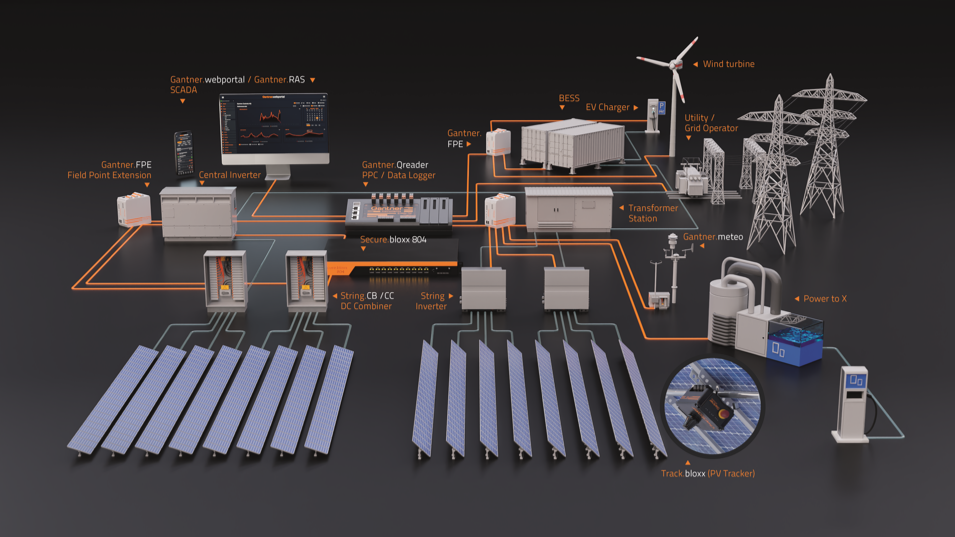
Smart home energy management increasingly links solar, storage, electric vehicle charging and household loads.
SolarPower Europe describes this as a ‘flexibility-first’ approach. Storage, flexible consumers and intelligent control need to develop alongside renewable generation to prevent new bottlenecks.
Bringing the energy system together
These issues were discussed at The smarter E Europe 2026 at Messe München from 23rd to 25th June. Intersolar Europe, ees Europe, Power2Drive Europe and EM-Power Europe brought together photovoltaics, battery storage, charging infrastructure, grids and energy management.
Around 2,800 exhibitors and more than 100,000 visitors engaged across 200,000 m² of exhibition space.
Europe’s energy resilience will depend on more than generating additional renewable electricity. The central challenge is connecting solar with storage, grids and flexible demand so that domestic renewable power is available when consumers and industry need it.
Explore the full feature from The smarter E Europe on solar, battery storage, energy security and flexibility in PES Solar: https://pes.eu.com/exclusive-articles/solar-and-storage-europes-response-to-energy-crises