Space-based solar power (SBSP) remains a long-term concept, but research suggests it could eventually change how Europe approaches renewable generation and energy storage.
Mike Torbitt, Managing Director of resistor manufacturer Cressall, considers research from King’s College London suggesting SBSP could reduce Europe’s land-based renewable energy requirements by up to 80 per cent and battery storage needs by more than two thirds. He also examines the electrical engineering needed to make such systems viable.
Why put solar panels in space?
NASA concepts considered by the researchers use satellites in geostationary orbit to collect sunlight continuously and transmit energy to Earth using microwaves.
Unlike terrestrial solar, generation would not be affected by night-time or changing weather conditions. This could provide dispatchable, zero-carbon electricity alongside ground-based renewables.
The potential benefits are considerable, but so are the engineering challenges. SBSP systems would be larger than almost anything previously constructed in space, while launch costs, reliability and system mass remain significant barriers.
Commercial feasibility could potentially be reached by 2050, although this remains uncertain.
Why resistor technology matters
Torbitt highlights resistors as a small but important component within these complex electrical systems.
Resistors control current and dissipate excess energy, helping protect electrical equipment against overload and overheating. For SBSP, they would have to operate reliably despite demanding conditions during launch and subsequent operation in space.
Potential requirements include:
-
Controlling voltage and current
-
Dissipating excess electrical energy
-
Withstanding launch vibration and thrust
-
Supporting reliable braking and positioning systems
-
Enabling pre-launch testing through load banks
Load banks allow engineers to reproduce electrical loads and test how systems respond under different operating conditions before deployment. For equipment that may be inaccessible for maintenance after launch, Torbitt argues that thorough testing will be particularly important.
Lessons from solar on Earth
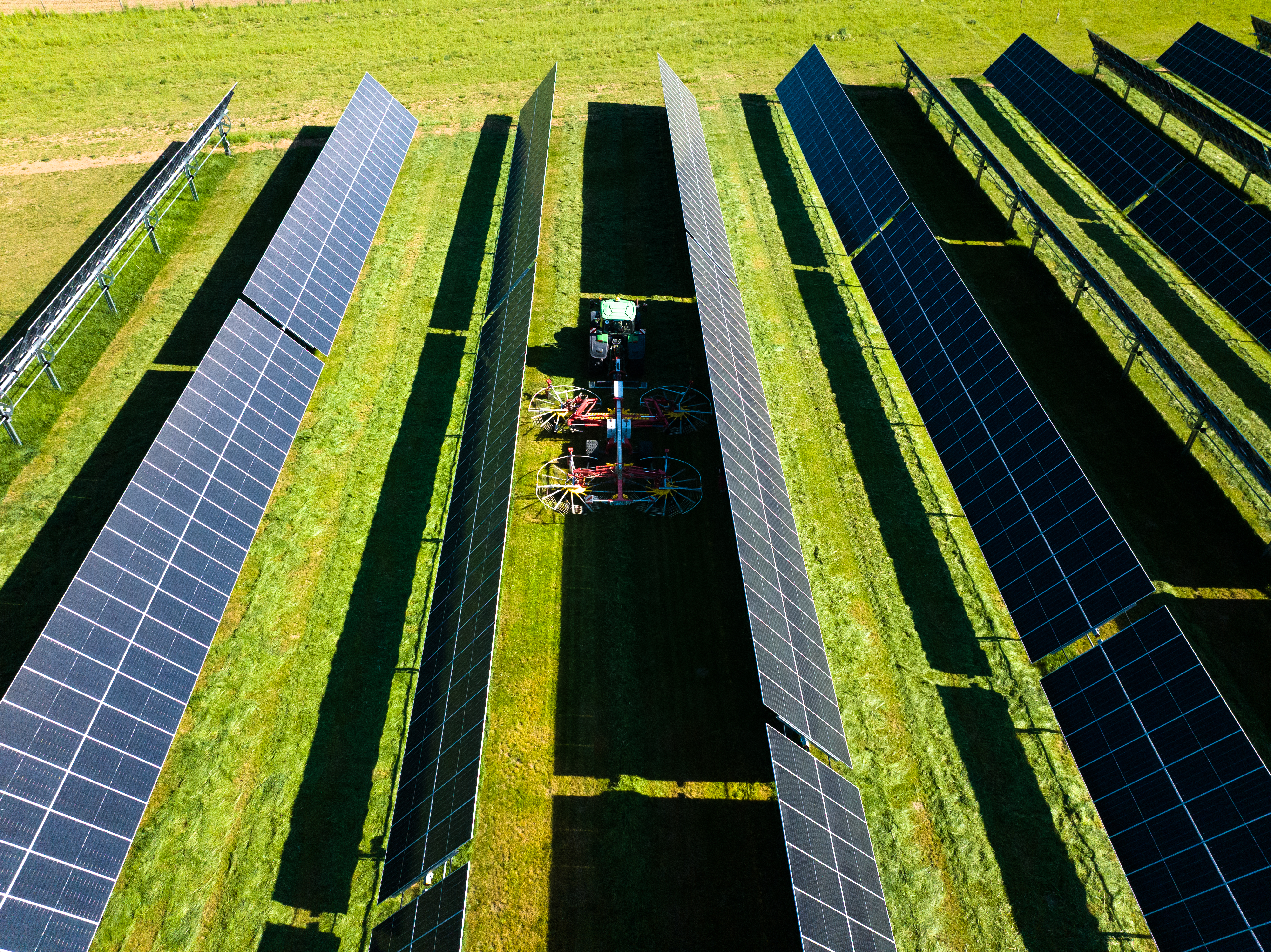
Many of the underlying electrical principles are already present in terrestrial PV.
Solar tracking systems can increase energy yield by maintaining module alignment with the sun. According to the feature, tracking can improve output by up to 35 per cent, but moving systems also require controlled braking.
Dynamic braking resistors (DBRs) dissipate excess energy as tracker motors decelerate, allowing panels to stop in the required position.
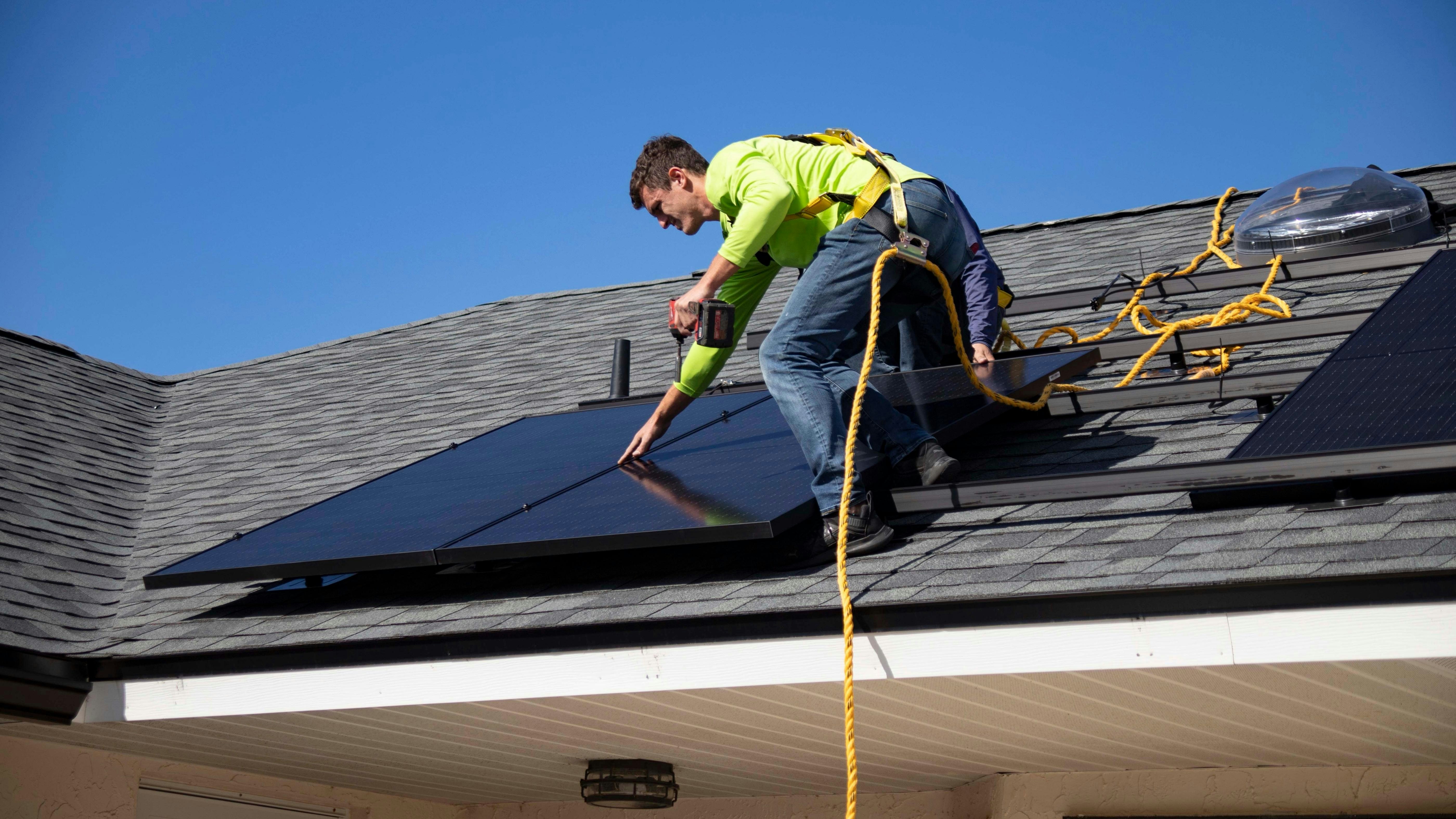
Resistors are also important during installation, maintenance and decommissioning. PV arrays can continue producing electricity whenever exposed to sunlight, even after disconnection from the grid. Load bank or dummy load resistors provide a controlled route for dissipating this energy.
The challenge of expanding terrestrial solar
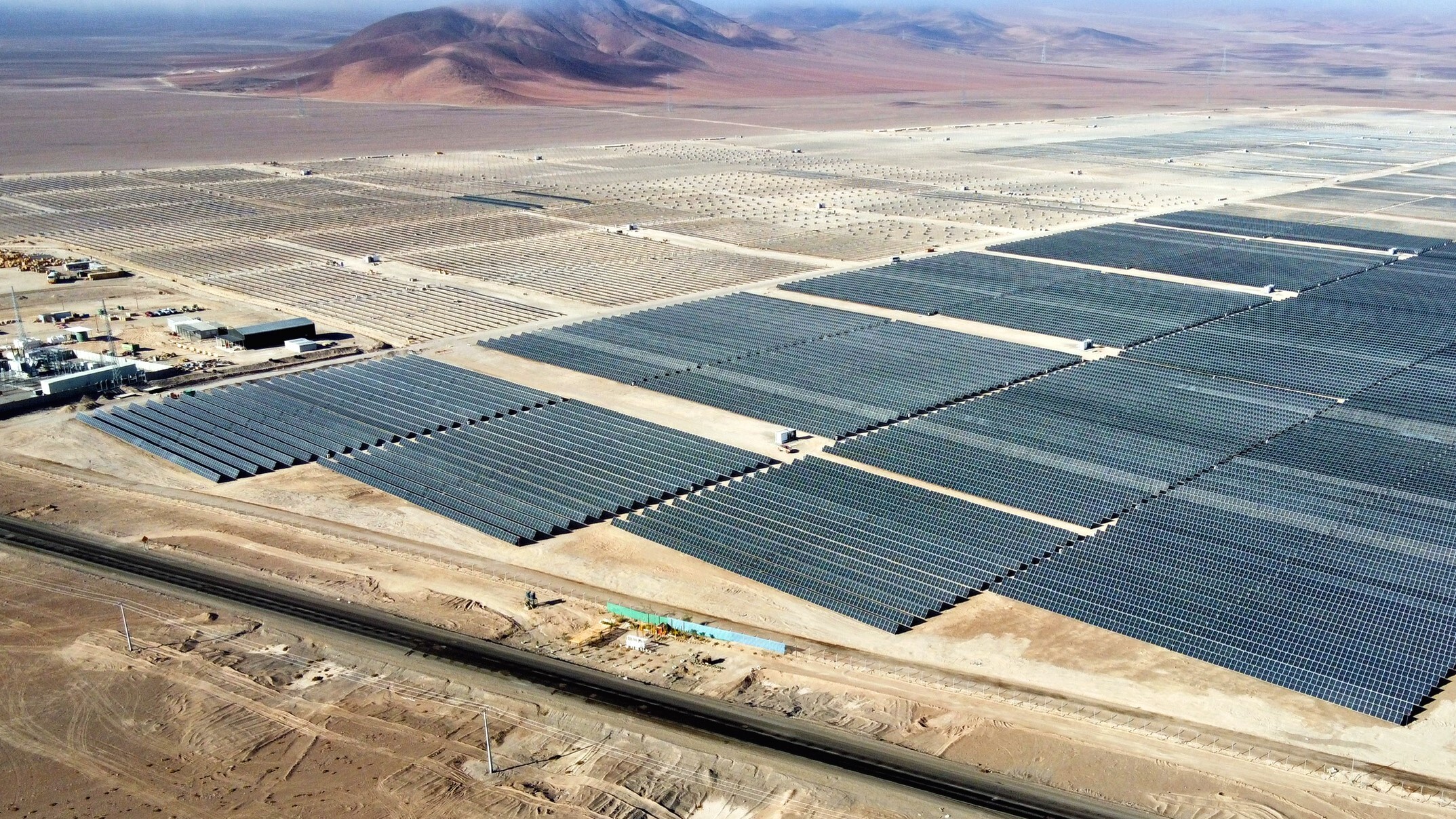
SBSP is not presented as a replacement for conventional renewable generation. Instead, it could complement terrestrial solar as electricity demand increases.
The UK Government expects annual electricity demand to at least double by 2050 as transport, heating and industry become increasingly electrified.
However, grid connections and project delivery remain significant constraints. National Energy System Operator (NESO) figures cited in the feature show a GB connections queue exceeding 738 GW, compared with an estimated 200 to 225 GW of clean generation capacity required by 2030.
This illustrates the gap between planned capacity and projects actually entering operation.
Balancing potential with cost
Launch cost remains one of the largest obstacles to SBSP. Components will need to be small and lightweight without compromising electrical performance or reliability.
According to the King’s research cited by Torbitt, SBSP could ultimately reduce European energy system costs by as much as 15 per cent, equivalent to €35.9 billion annually. This remains a research projection rather than a demonstrated saving.
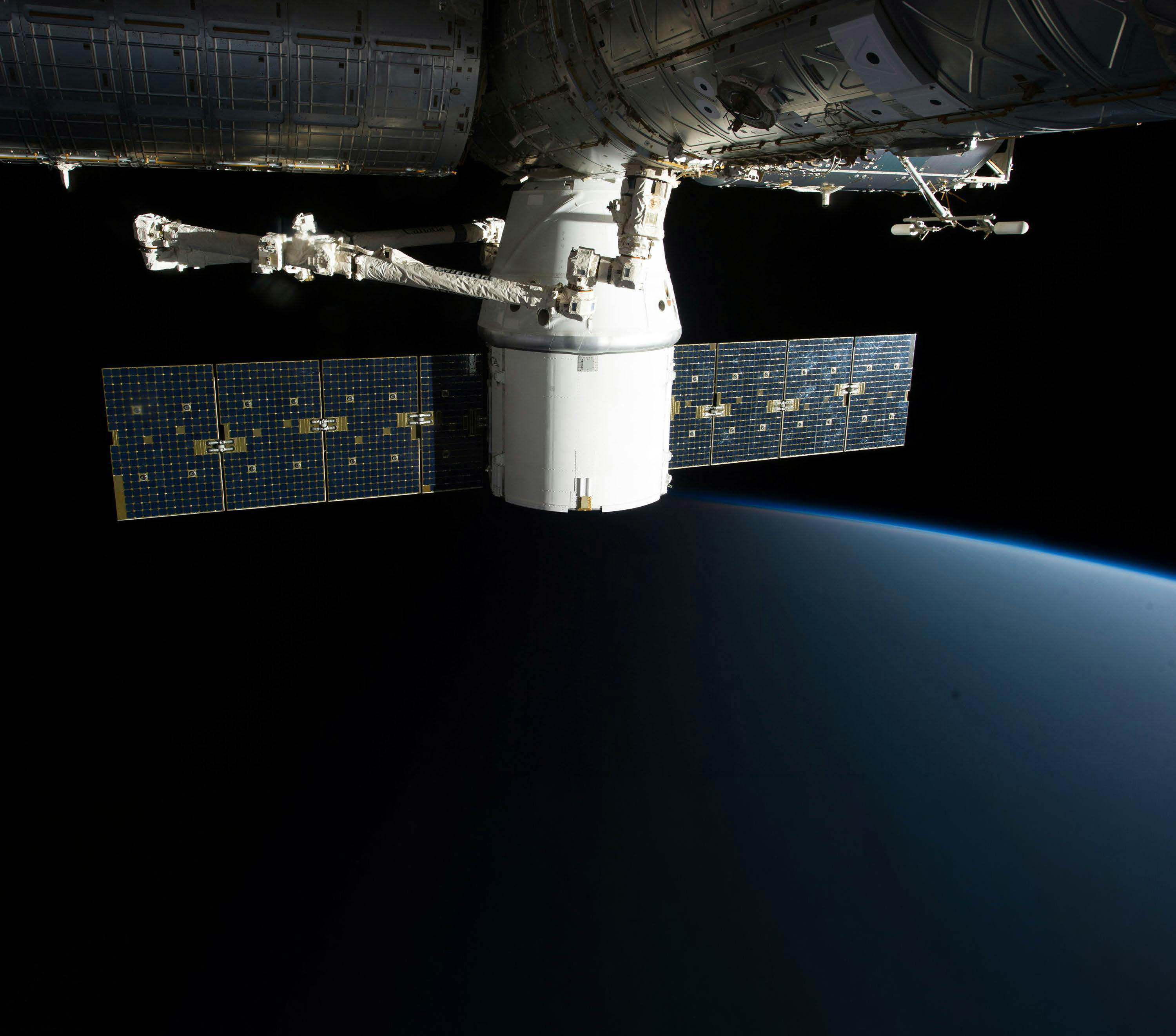
Existing space-based solar arrays and terrestrial PV engineering both point to the technical link between established solar engineering and potential future applications.
Whether SBSP becomes commercially viable remains uncertain. What is clearer is that any future system will depend not only on solar technology itself, but on reliable electrical control, protection and testing.
Explore the full Industrial Insight feature from Cressall on space-based solar power, resistor technology and renewable energy infrastructure in PES Solar: https://pes.eu.com/exclusive-articles/solar-panels-in-space-the-future-of-renewable-energy