Europe’s battery energy storage system (BESS) market is expanding rapidly, but growth is bringing greater scrutiny of pricing, safety, supply chains and long-term performance.
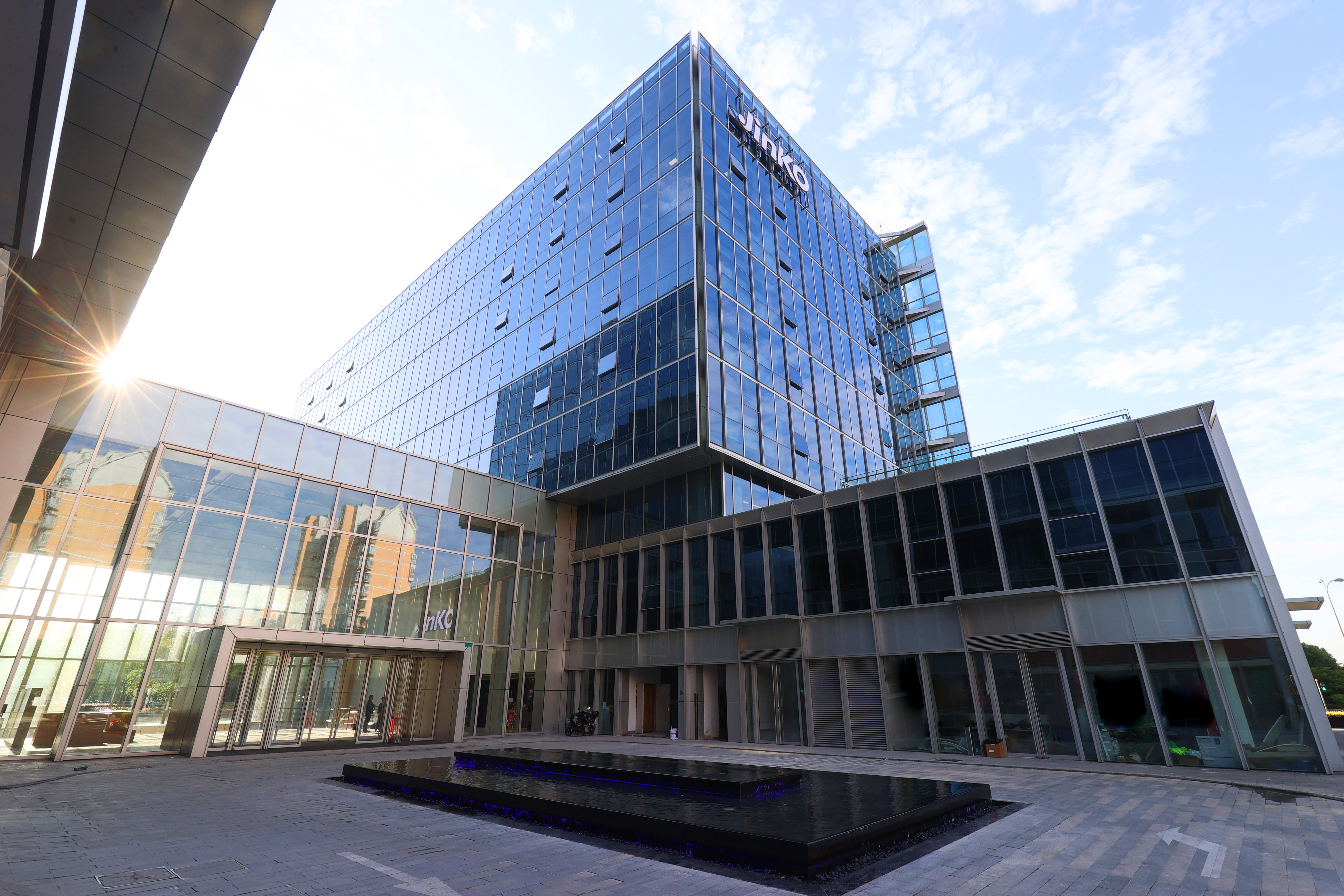
Kieran Hartley, Senior Sales Manager, Utility BESS, Western Europe at Jinko ESS, argues that developers and investors are increasingly looking beyond upfront cost towards bankability, lifecycle performance and the ability of suppliers to support projects for 15 to 20 years.
Moving beyond the lowest price
Competition in the BESS sector remains intense, but Hartley believes selecting systems primarily on price can create risks for long-term project viability.
As storage becomes part of critical energy infrastructure, project assessments increasingly consider:
- Safety and quality
- Degradation and availability guarantees
- Long-term warranties and support
- Proven delivery capability
- Supply chain resilience
- Bankability
Hartley argues that guarantees and degradation curves should reflect real operating conditions rather than ideal scenarios.
This is particularly important as independent power producers (IPPs), developers and financial institutions examine whether suppliers can continue supporting assets throughout their operating lives.
Regulation changes procurement decisions
Technology sourcing is also receiving closer attention as BESS becomes more important to national electricity infrastructure.
Hartley highlights cybersecurity, NIS2 compliance, data storage and component traceability as increasingly important considerations. Operators and investors want greater visibility into where raw materials and components originate, how operating systems are managed and where project data is stored.
For suppliers, this means technical performance is only one part of procurement. Compliance, transparency and cybersecurity are becoming part of the bankability assessment.
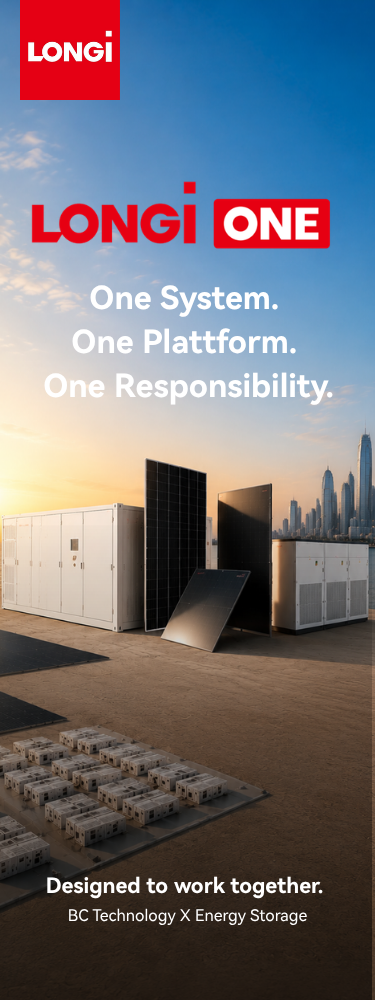
Containerised storage systems illustrate the physical infrastructure behind these increasingly complex procurement decisions.
Safety and supply chains come under scrutiny
Larger storage projects also bring greater focus on insurance and operational risk.
Hartley says developers and IPPs are paying closer attention to manufacturing capability, environmental, social and governance (ESG) considerations, local support and geopolitical exposure.
Global supply chains remain vulnerable to several pressures:
- Raw material and commodity price movements
- Shipping and logistics disruption
- Geopolitical instability
- Tariffs and regulatory changes
- Cybersecurity concerns
- Grid infrastructure constraints
Although Hartley believes conditions have stabilised compared with 2022 and 2023, he says realistic project schedules and contingency planning remain essential.
Longer-duration storage changes project planning
Project timelines are also extending. Hartley notes that energisation dates for some long-duration energy storage (LDES) and stability contract projects are now reaching from 2029 towards 2032.
At the same time, duration requirements are increasing, with some future systems moving beyond 14 hours.
Higher energy density, larger power conversion system (PCS) outputs and evolving legislation add further complexity. These factors make supply chain visibility and long-term planning increasingly important from the earliest stages of development.
Building resilience into manufacturing
Jinko ESS says its response includes a cell manufacturing facility in Shanghai developed in collaboration with EVE. The company argues that this arrangement can strengthen supply security and reduce exposure to raw material and commodity price volatility.
These are company-specific statements about its manufacturing strategy.
Hartley’s wider point is that battery project resilience starts well before equipment reaches site. Manufacturing capacity, component sourcing and delivery planning can all affect whether projects meet their commercial operation date (COD).
For Hartley, Europe’s rapidly growing storage market is entering a more mature phase. Price remains important, but project success increasingly depends on whether technology, warranties, cybersecurity, supply chains and supplier support remain credible throughout the asset lifecycle.
Read the full interview with Jinko ESS on Europe’s BESS market, bankability, cybersecurity and supply chain resilience in PES Solar: https://pes.eu.com/exclusive-articles/europes-bess-market-faces-a-perfect-storm-amid-rapid-storage-growth