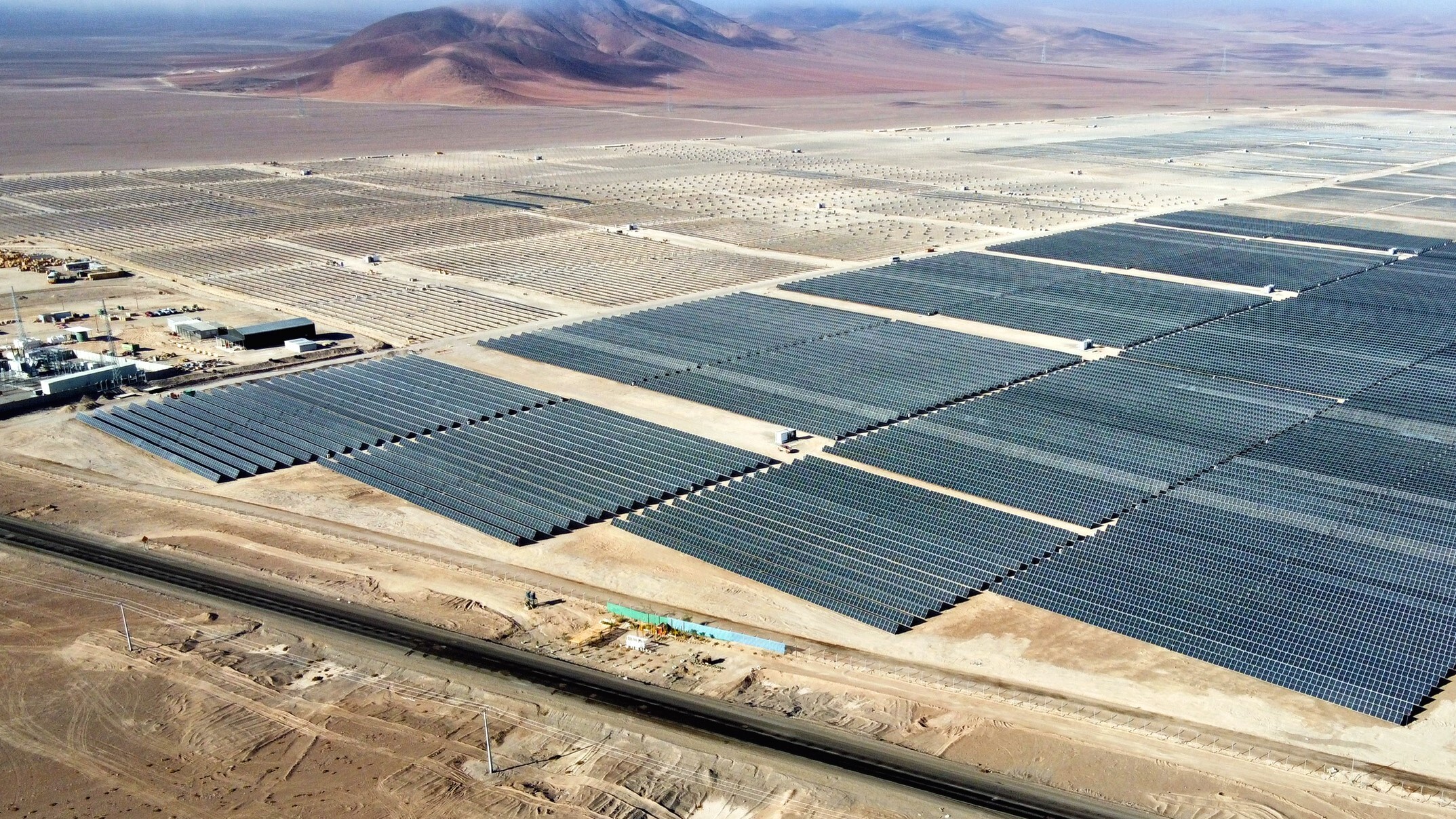
When planning a brand-new solar park on hilly or sloping terrain, developers face a critical choice: grade nature's curves to create a flat site or use tracking technology that adapts to the existing landscape. Land grading can add massive upfront expenses and introduce long-term soil stability issues.
To navigate these geographical challenges, IDEEMATEC developed its L:TEC® platform. Built on a unified mechanical and structural framework, this standardised tracking solution delivers consistent performance across diverse terrains, helping developers optimise the levelised cost of energy (LCoE) over the lifetime of an asset.
Tailored performance across a standardized platform
The shared design principles of the L:TEC® framework reduce engineering complexity and simplify field crew training, whether a project is a small agricultural install or a multi-gigawatt utility site. The product family features three specialized configurations designed for varying project scales:
- L:TEC® 1P (Utility-scale): Engineered for large-scale plants, maximising energy yield and efficient land use. This one-in-portrait tracker withstands extreme wind speeds up to 400 km/h and sheds heavy snow loads automatically. It uses a patented decoupled drive to reduce mechanical stress and supports row lengths up to 260 meters to minimise the overall count of electrical components.
- L:TEC® 2P (Distributed generation): Optimized for medium-sized installations, distributed generation, or cost-sensitive environments with restricted land availability or challenging soil conditions. This two-in-portrait architecture relies on a low foundation pile count and utilizes multiple locking configurations to eliminate harmful torsional wind effects across complex slopes.
- L:TEC® Agri-2P (Agrivoltaics): Designed specifically for dual land use, allowing farmers to maintain productive crop cultivation while simultaneously generating solar power. The system's shading profile supports crop growth in specific climates. It features an integrated control system accessible via mobile and remote applications so operators can adjust tracker behaviour in real time.
Pre-assembly that changes the pace of solar construction
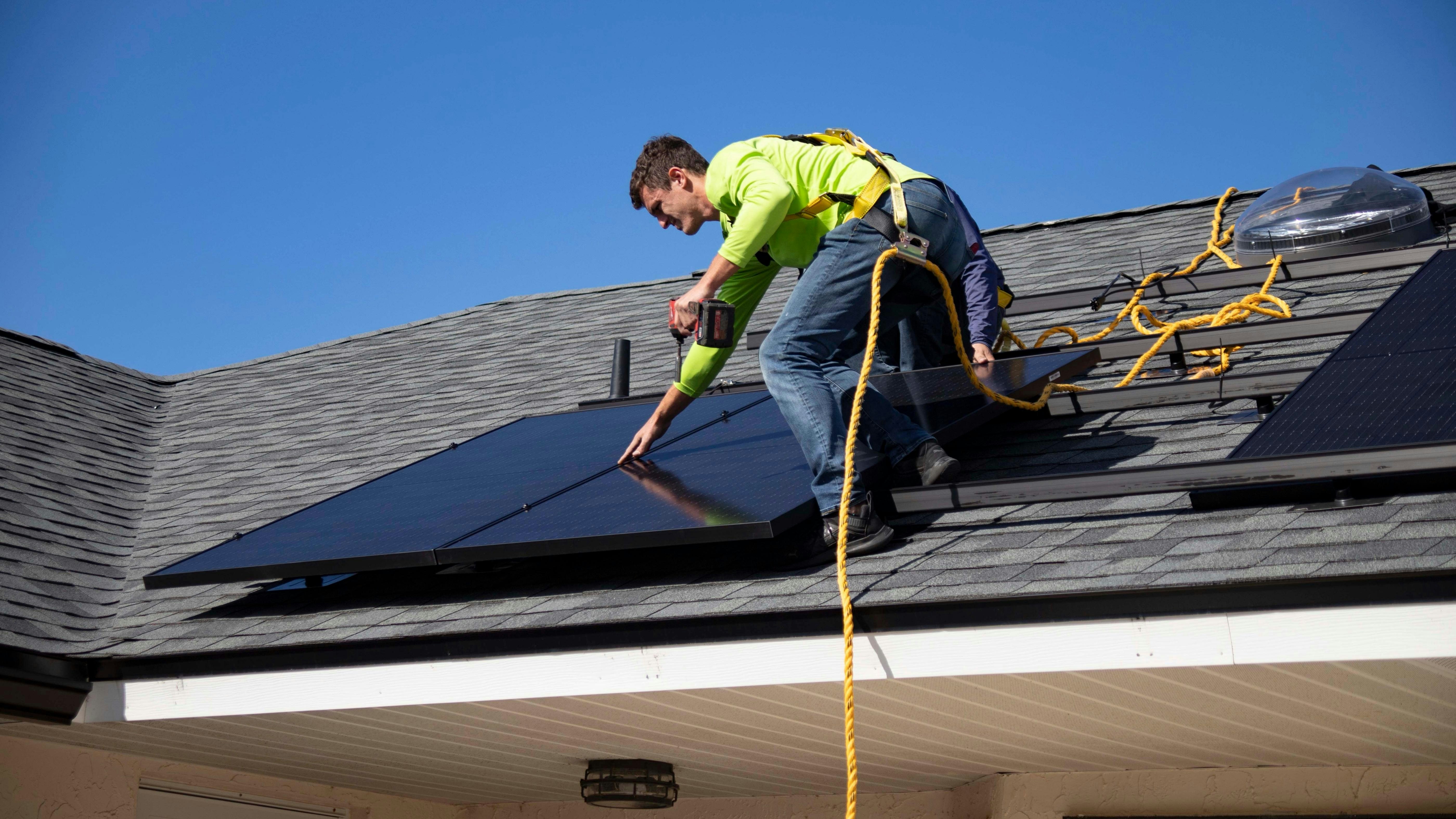
Traditional solar tracking installations often suffer from bottlenecked project timelines before construction even begins. Field crews routinely lose productive morning hours sorting hardware, checking part lists, matching bolts to brackets and correcting manual errors.
To eliminate this on-site friction, shifting toward factory-pre-assembled components moves key technical assembly steps into highly controlled environments.
- Predictable field workflows: Delivering prepared, integrated assemblies straight to the job site means technicians can immediately place components onto the structural foundations without sorting through hardware bags.
- Measurable installation gains: Reducing the variety of individual field components cuts down execution errors and reduces total tracker installation times by 18 to 23%.
- Global quality consistency: Pre-assembly ensures that a solar site in Arizona fits together with the exact same accuracy and sequence as a site in Spain or South Africa. Weather variations and differing local labor skill levels have far less influence on the final quality of the handover.
How is your team using terrain-following trackers to protect project margins and eliminate legacy land-grading expenses? Share your thoughts in the comments below.
Looking for the full technical breakdown? To review the structural engineering specifications and load calculations of the L:TEC® product family, visit the official IDEEMATEC portal: https://pes.eu.com/exclusive-articles/dont-change-your-surroundings-adapt-to-them






-1.jpg)