As the renewable energy market matures, the conversation around solar assets is shifting. It's no longer just about installation and operation; it's about the end of the beginning. What happens when solar sites age?
To explore this critical phase of the asset lifecycle, PES Solar sat down with the executive team at Everpoint Services: Tyler Goodell (CEO), Candace Wood (COO), David Grobe (CFO), and James Timmins (VP of Engineering). They shared how their company is reshaping the industry's approach to end-of-life strategies, moving beyond simple decommissioning to a sophisticated model of repowering, remediation, and risk management.
The Market Shift: From Full Decommissioning to Strategic Repowering
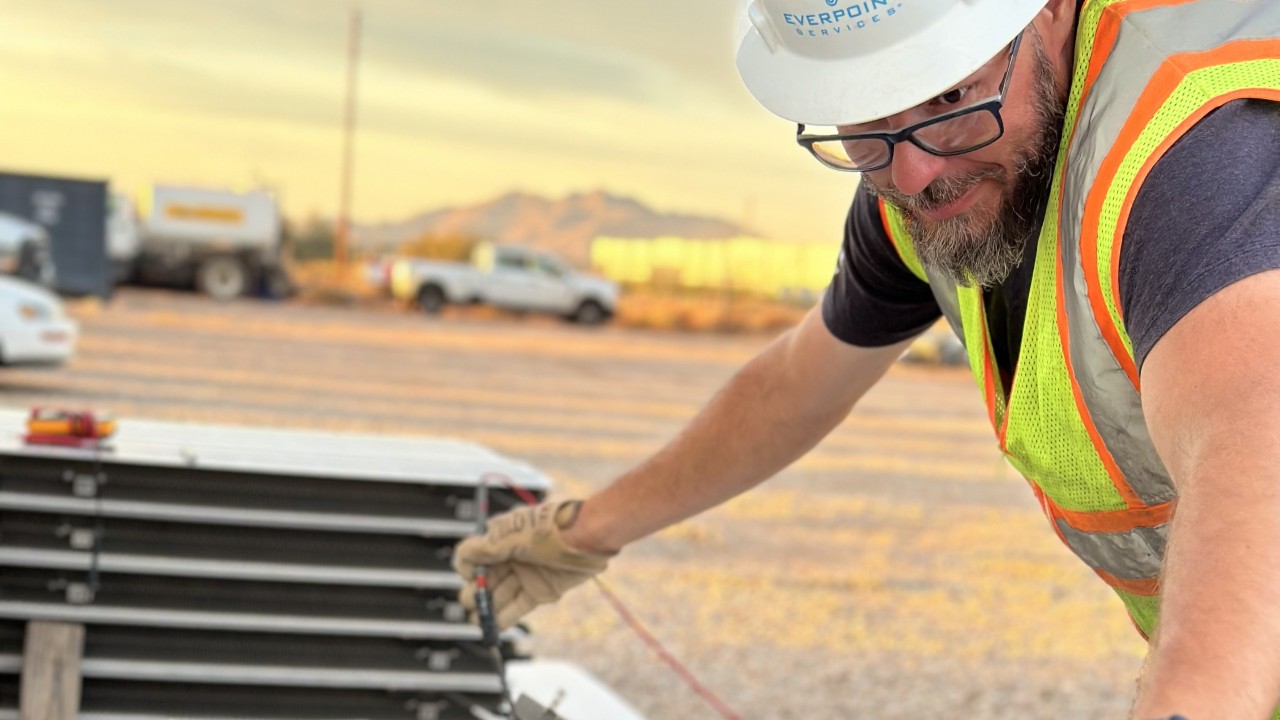
Everpoint Services is an independent energy services company specializing in demolition, remediation, and decommissioning for renewable energy assets in the Lower 48. While full decommissioning is part of their work, the team is seeing a significant trend toward optimizing existing sites.
We are currently seeing a significant increase in remediation and repowering work on existing solar assets, which has surpassed the volume of full project decommissioning, says Candace Wood, Chief Operating Officer.
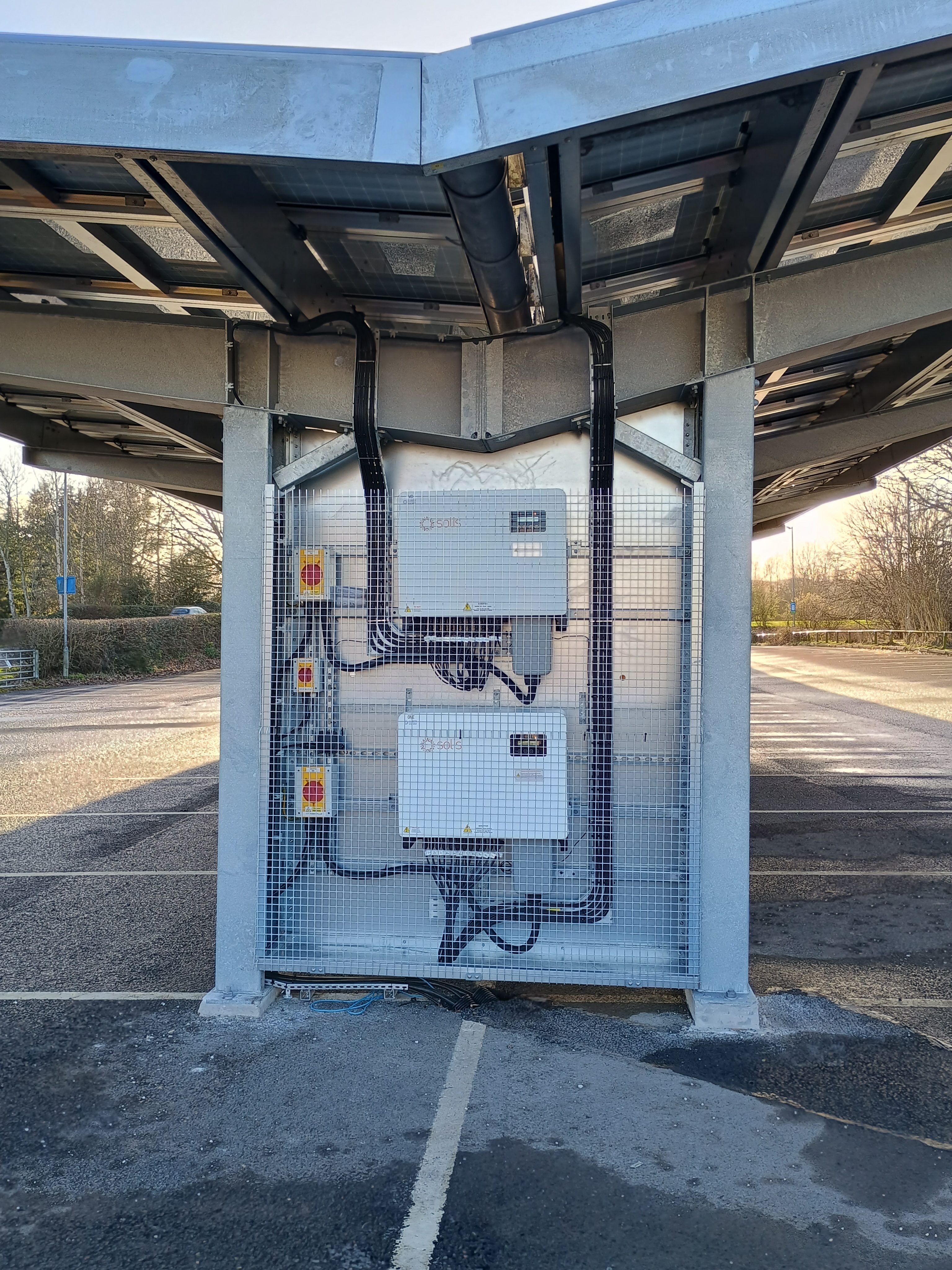
This shift is driven by a clear cost-benefit analysis. Asset owners are finding it more efficient to strategically upgrade specific components—like inverters, modules, or racking systems—rather than dismantling an entire site. By targeting underperforming equipment, Everpoint extends the operational life of these assets in a way that is both financially and operationally efficient. It reflects a broader industry move toward lifecycle optimization rather than wholesale removal.
The Economics Driving End-of-Life Decisions
The choice between full removal, remediation, or repowering ultimately comes down to performance economics. Solar sites must be producing electrons to make the asset owners investment make sense, Wood explains. If inverters or modules are clearly under-producing... the site has to undergo a remediation or repower and, in some cases, a full decommission.
Everpoint commits to full financial transparency with clients, outlining the cost implications of each option. When we do this our clients can run the economics of what makes business sense for each project in their portfolio of assets, notes David Grobe, Chief Financial Officer. This level of openness has become a standard that redefines performance in the service sector.
Navigating Legacy Assets and Infrastructure
As solar sites age, they naturally show wear and tear from years of exposure to harsh elements. Some also have outdated installation practices that require adjustment. A key part of the repowering process involves navigating and leveraging the sites legacy advantages, particularly existing grid interconnections and permits.
We treat these elements as critical assets in the planning phase, says Wood. The process includes:
- A comprehensive site assessment of both physical infrastructure and administrative groundwork.
- Mapping out the permitting landscape early to identify requirements and initiate requests well in advance.
- Breaking down the scope of work into detailed tasks to avoid unnecessary delays.
This proactive approach is a cornerstone of why repowering, when done right, can be so cost-effective.
The Rise of Recycling and Storage Integration
The end-of-life conversation is also expanding to include the circular economy and energy storage. The opportunities for recycling and recovery are increasing year over year, says James Timmins, VP of Engineering. The focus is on how to correctly recover high-value materials and build a circular economy that is both ethical and profitable.
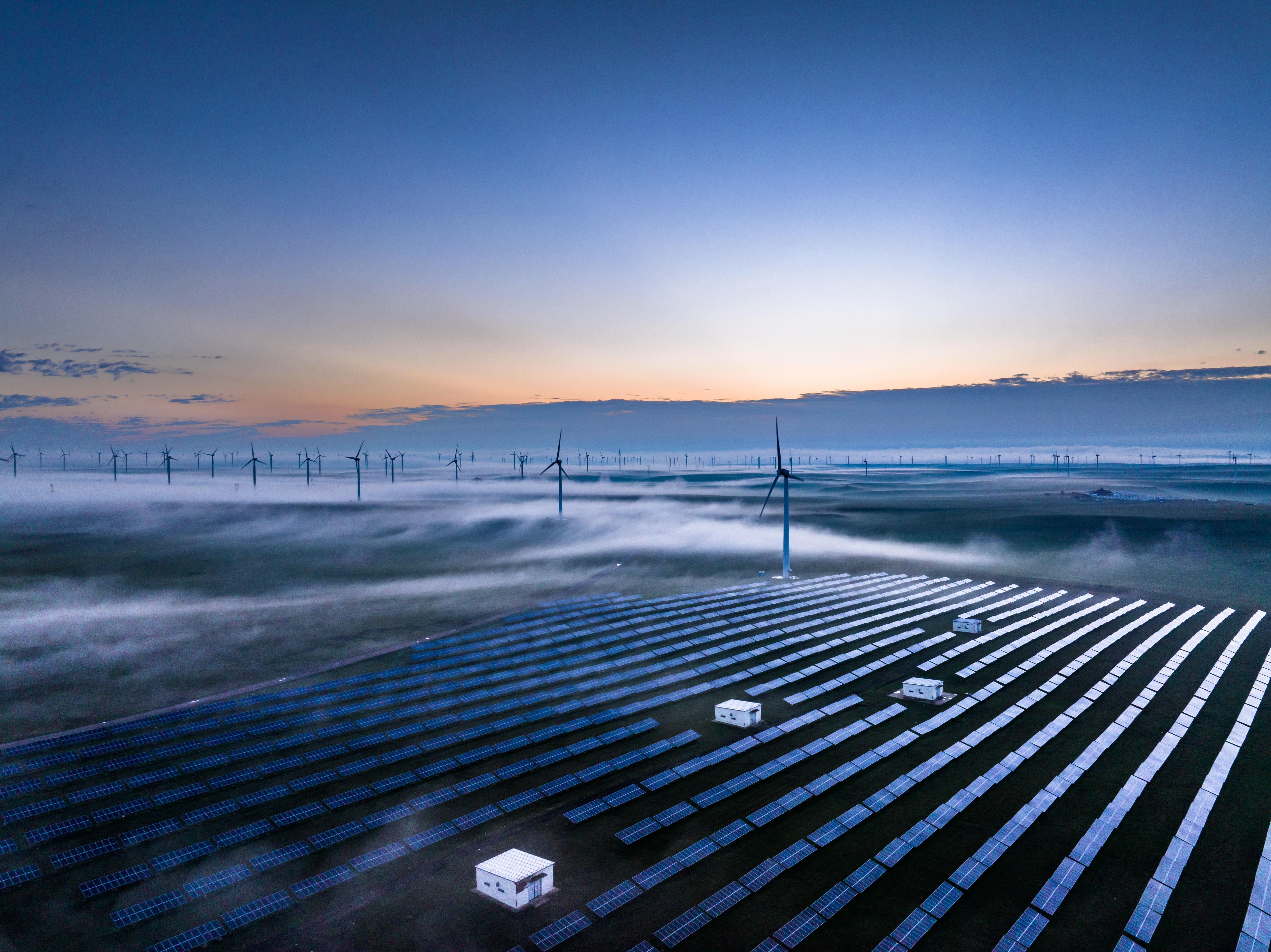
At the same time, energy storage is transforming the potential of legacy sites. Rather than being abandoned, decommissioned coal or natural gas plants are now viewed as strategic assets due to their existing grid connectivity.
This presents a valuable opportunity to retrofit them with energy storage systems, allowing asset owners to repurpose these locations for modern grid support, Wood explains. The conversation is no longer just about removal; its about transformation.
Scaling with Purpose
As more sites approach 20 to 30 years of operation, Everpoint is positioned to lead this evolution. Everpoint is special because we are a pure-play end-of-life service company that serves renewables, says CEO Tyler Goodell. With a team structured to service solar, wind, and storage assets, the company is set to become the largest end-of-life service provider in the US.