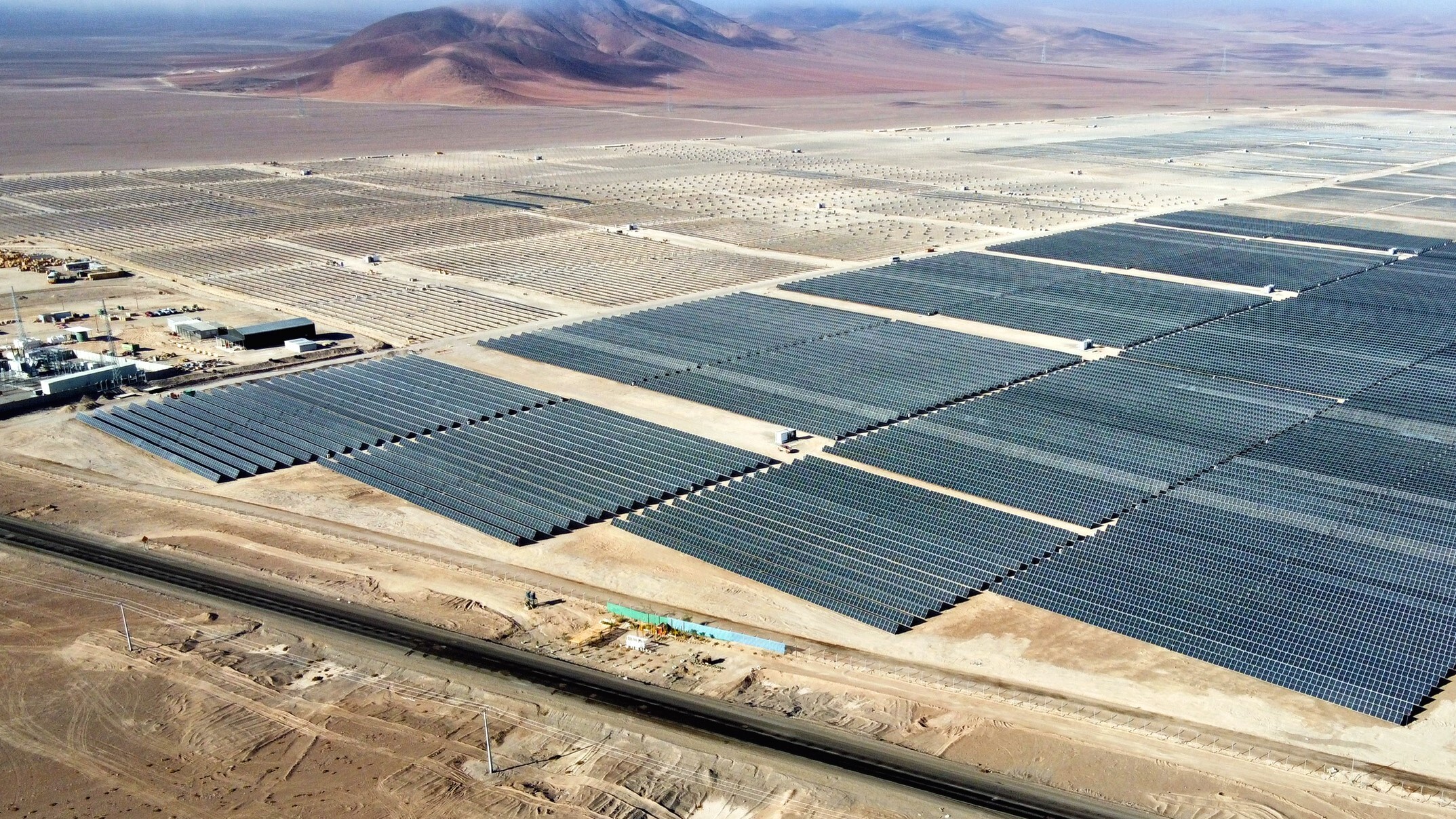
The UK solar industry is on the cusp of transformative growth, backed by ambitious government targets and a wave of regulatory reform. The Clean Power 2030 ambition and the newly published UK Solar Roadmap have set a clear direction, creating an environment more supportive than ever for large-scale solar deployment.
But while the policy signals are positive, the pace and complexity of change mean developers must become more strategic, proactive, and collaborative to turn ambition into operational capacity. According to the experts at Natural Power, who work across the full lifecycle of renewable projects, the message is simple: UK policy is creating immense opportunity, but realizing it will depend on timely, expert-led engagement at every stage.
Grid Connection Reform: Ready Beats Early
One of the most consequential developments is the overhaul of the grid connection process, led by the newly independent National Energy System Operator (NESO). The old days of 'first-come, first-connected' are over. In its place is a new mantra: 'first-ready, first-connected'.
This new approach prioritizes project maturity and strategic value over a simple position in the queue. NESO is now actively reordering the connection queue, requiring developers to submit concrete evidence of project readiness. This is a fundamental shift. Those unable to demonstrate clear progress on land rights, planning, or financing risk being deprioritized or even removed from the queue entirely.
In practice, this means developers must now treat grid strategy as a central pillar of project development, not an afterthought. They must ensure robust, documented progress and understand the implications of 'strategic alignment,' which includes proposed regional capacity pots for solar at both transmission and distribution levels.
Favourable Reforms: Contracts for Difference (CfD) and Planning
Alongside the grid shake-up, other policy shifts are creating a more favourable environment for solar developers.
The Contracts for Difference (CfD) mechanism, the primary route to revenue certainty, has become more flexible and financeable in its latest evolution, Allocation Round 7 (AR7).
- Contracts have been extended from 15 to 20 years.
- The target commissioning window has been broadened from three to 12 months.
- These updates reduce subsidy risk, improve bankability, and allow developers to structure projects with more confidence.
With solar dominating the last auction round (securing 90 of 130 contracts in AR6), developers must be ready to bid competitively for AR7, which opens for applications in August 2025.
Planning reform is also helping to streamline deployment. A key change is the increase in the threshold for solar projects to be considered Nationally Significant Infrastructure Projects (NSIPs), which has risen from 50 MW to 100 MW. This allows projects between 50 and 100 MW to avoid the costly and complex NSIP process, making mid-sized developments more commercially viable.
Market Reform and the Rise of Solar+Storage
The Review of Electricity Market Arrangements (REMA) is perhaps the most complex long-term reform effort. While the decision to avoid zonal pricing has removed some near-term uncertainty, questions remain around the future of grid charges (TNUoS) and the wholesale market structure. For now, developers should continue to stress-test project economics under various future pricing scenarios.
A strong theme emerging from the Solar Roadmap is the growing importance of co-located storage. Storage improves project economics, supports grid stability, and enhances flexibility for both CfD delivery and PPA negotiations. The roadmap calls for clearer modelling methodologies and more transparent data from network operators to help developers evaluate the viability of combined solar and storage projects. This integrated approach is no longer optional; it is fast becoming standard best practice.
What Developers Should Do Now
The pace of change is high, but the commercial signals are strong. To capitalize on these opportunities, developers should:
- Treat grid strategy as a critical path item, not an afterthought.
- Ensure projects are aligned with NESO's strategic criteria and are supported by strong evidence of progress.
- Prepare for Allocation Round 7 (AR7) with fully coordinated planning, grid connections, and financing.
- Stay informed on the implications of REMA and the evolving market landscape.
- Maximise site value through co-located storage and flexible delivery strategies.
The UK solar sector is entering a decisive phase. The policy framework is increasingly aligned with deployment goals, but translating this into capacity on the ground will require foresight, precision, and expert guidance. Success will favour those who are grid-ready, data-driven, and strategically prepared.









%20Bachmann-1.jpg)