As the solar and storage sectors grow in scale and complexity, their financial and operational performance is coming under sharper scrutiny. With solar projects in the U.S. underperforming by up to 13%, the industry is facing a pivotal moment one where digital transformation is not just beneficial but essential.
The Challenge: Underperformance in a Growing Market
Despite the clear sustainability benefits of solar, asset owners and investors demand more:
- Efficiency
- Reliability
- Long-term profitability
A study by kWh Analytics highlights the issue starkly solar installations in the U.S. are underperforming by 7% to 13%, a gap with substantial financial implications. While external factors like weather and aging equipment play a role, a significant portion of these losses is preventable through better operations and maintenance (O&M).
The Limitations of Traditional Asset Management
Conventional methods such as reactive maintenance and manual monitoring are becoming obsolete due to:
- Inability to scale with complex portfolios
- Delayed fault detection and response
- Fragmented systems and data silos
To overcome these limitations, a digital-first strategy is essential.
The Rise of the Digital Asset Management Ecosystem
Modern digital asset management platforms integrate a wide range of functionalities into a centralized, intelligent system:
- SCADA Systems: Provide real-time monitoring and data acquisition across all assets.
- Asset Performance Management (APM): Transforms raw data into actionable insights using AI, machine learning, and predictive analytics.
Key functions of APM include:
- Early anomaly detection
- Failure prediction
- Performance optimization
- Maintenance cost reduction
- Lifecycle extension of assets
Additional digital tools complement APM:
- Thermographic inspections
- Weather forecasting
- Financial tracking
- Cybersecurity integrations
Together, these elements form a unified digital ecosystem that optimizes every phase of asset operation and management.
Why APM Is No Longer Optional
Modern APM solutions offer tangible, mission critical benefits:
- Enhanced Performance:
- Predictive Maintenance:
- Informed Decision Making:
- Regulatory Compliance:
- Profitability Gains:
The Importance of Data Quality
The accuracy of insights derived from APM depends entirely on the quality of the input data. Poor data leads to:
- False alerts
- Incorrect diagnostics
- Inefficient decision-making
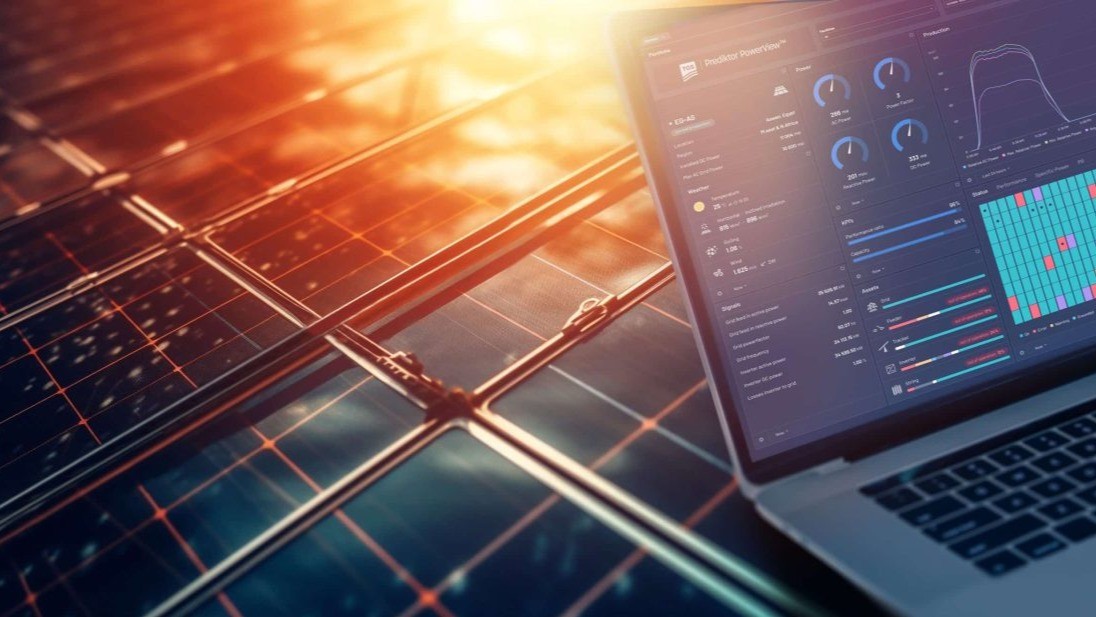
Solutions like Prediktor PowerView™ tackle this with:
- Preprocessing and consistency checks
- Outlier and anomaly detection
- Intelligent data reconstruction
These measures ensure reliable, high quality datasets that fuel accurate analytics and informed decisions.
The Future of APM: Autonomous and Integrated
Asset Performance Management is evolving into a robust platform for autonomous operations. Key trends include:
- Self Learning Algorithms:
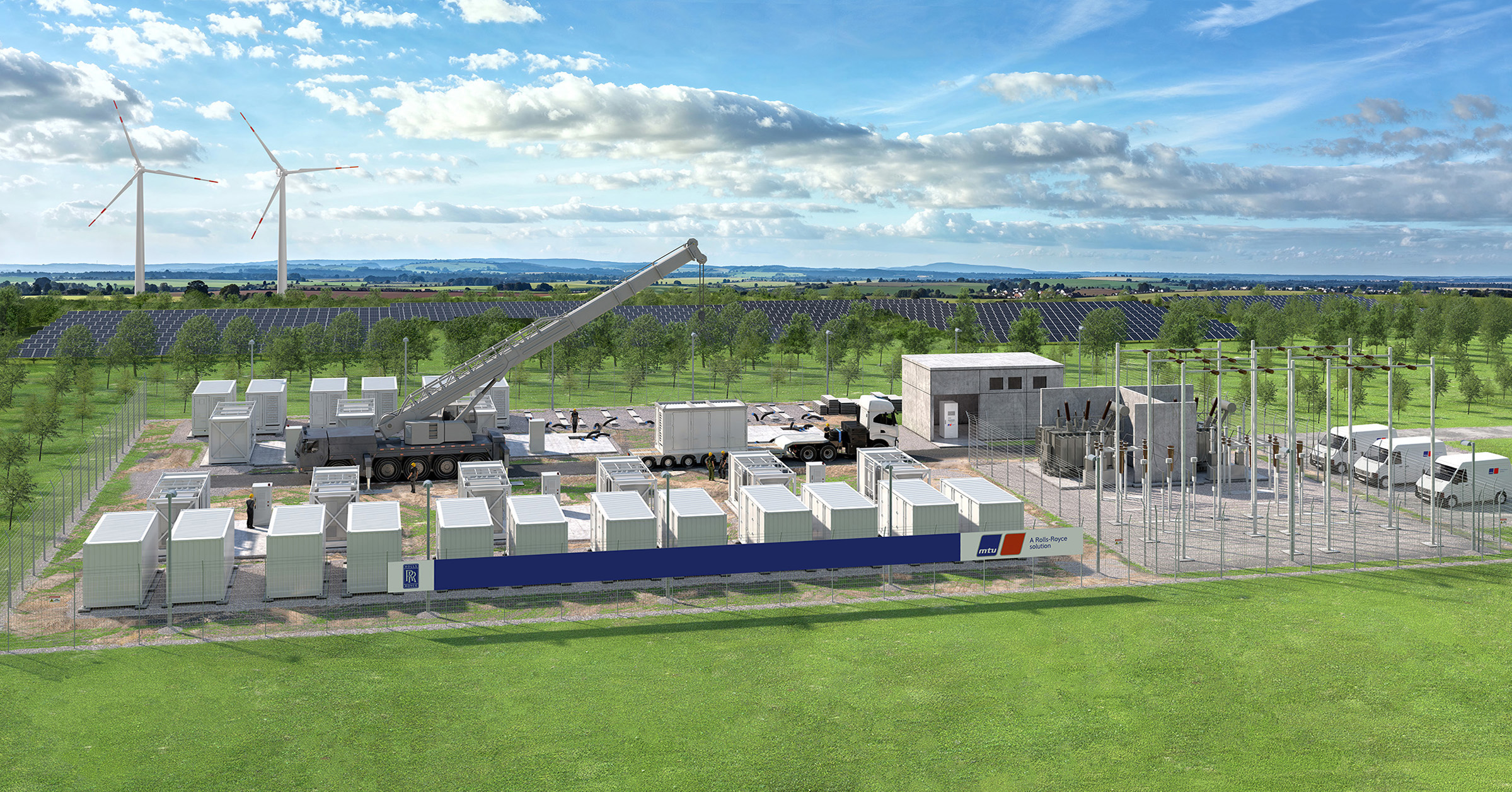
- Integration with Battery Energy Storage Systems (BESS):
APM is increasingly central to managing both generation and storage assets as part of an integrated strategy.
Conclusion: Embrace the Digital Transition
The bottom line is clear:
- Digital transformation is no longer optional for solar and storage asset operators.
- APM is the backbone of efficient, resilient, and profitable asset management.
- Companies that adopt data-driven strategies will outperform peers in a competitive and fast-evolving energy market.
For more information on digital solutions for solar asset performance, visit: 👉 https://www.tgs.com/solar