Solar energy production faces a fundamental challenge: the sun doesn't shine continuously. While PV panels can generate power even in cloudy conditions, output varies throughout the day and across seasons, making it difficult for utilities to rely solely on solar. This intermittency has long been a barrier to deeper renewable penetration.
However, the landscape is rapidly changing. Large-scale energy storage, once operating quietly in the background, is now taking center stage. As battery costs plummet and technology matures, storage is becoming the crucial element that balances supply, supports grid resilience, and enables the consistent delivery of clean solar power, day and night.
Energy Storage: The Missing Piece in the Renewable Puzzle
The DNV Energy Transition Outlook (ETO) 2024 highlights that battery storage and PV are growing faster than previously expected. Battery costs fell by 14% in 2024 alone, making around-the-clock solar-plus-storage solutions increasingly accessible and economically viable.
Why is storage so critical?
- Grid Stability: It strengthens the grid by ensuring a consistent supply of power, regardless of weather fluctuations or shifts in demand.
- Reduced Fossil Fuel Reliance: Battery Energy Storage Systems (BESS) and hybrid models help meet peak demand without resorting to fossil fuel peaker plants, supporting emission reduction goals.
- System Efficiency: Advanced storage solutions are key to building more efficient and reliable renewable energy systems.
"The future grid runs on energy storage and hybrid systems," states Juan Carlos Arévalo, CEO of GreenPowerMonitor, a DNV company. "With falling battery prices, now is the time to capitalize on this tipping point. By advancing storage systems and reducing reliance on fossil fuels during peak periods, we contribute to meaningful carbon reductions."
How Battery Energy Storage Systems (BESS) Work
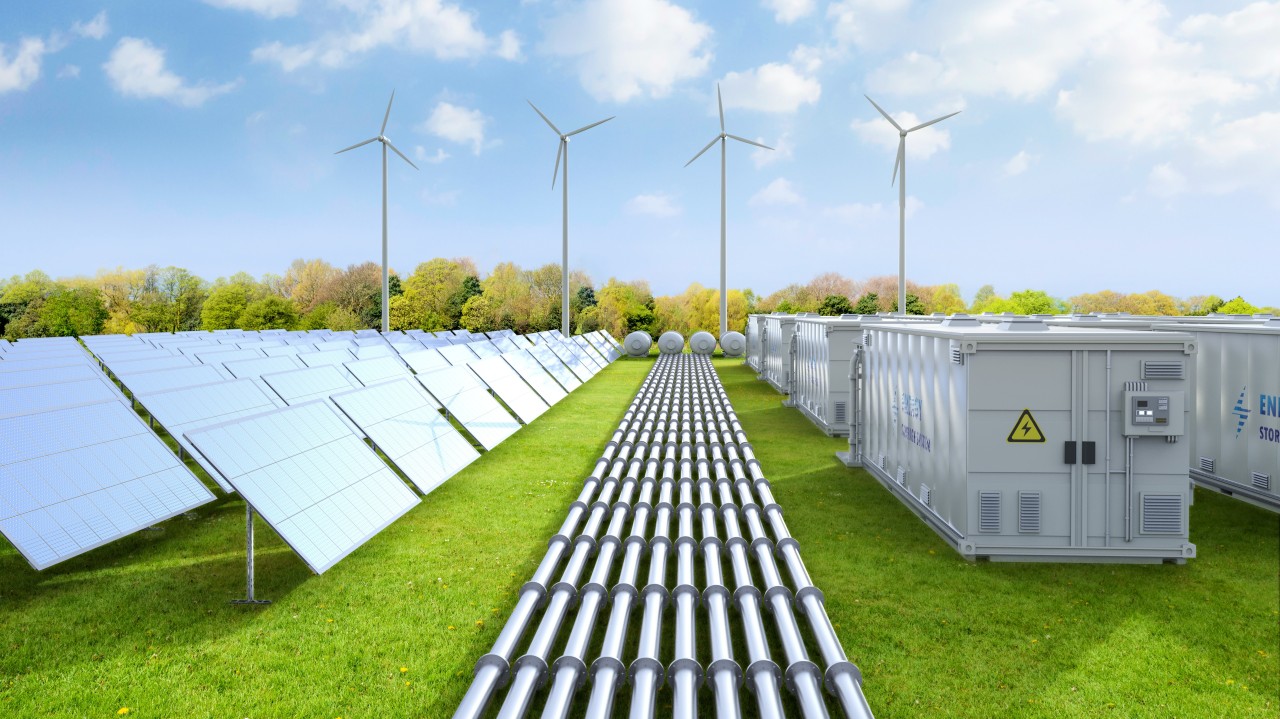
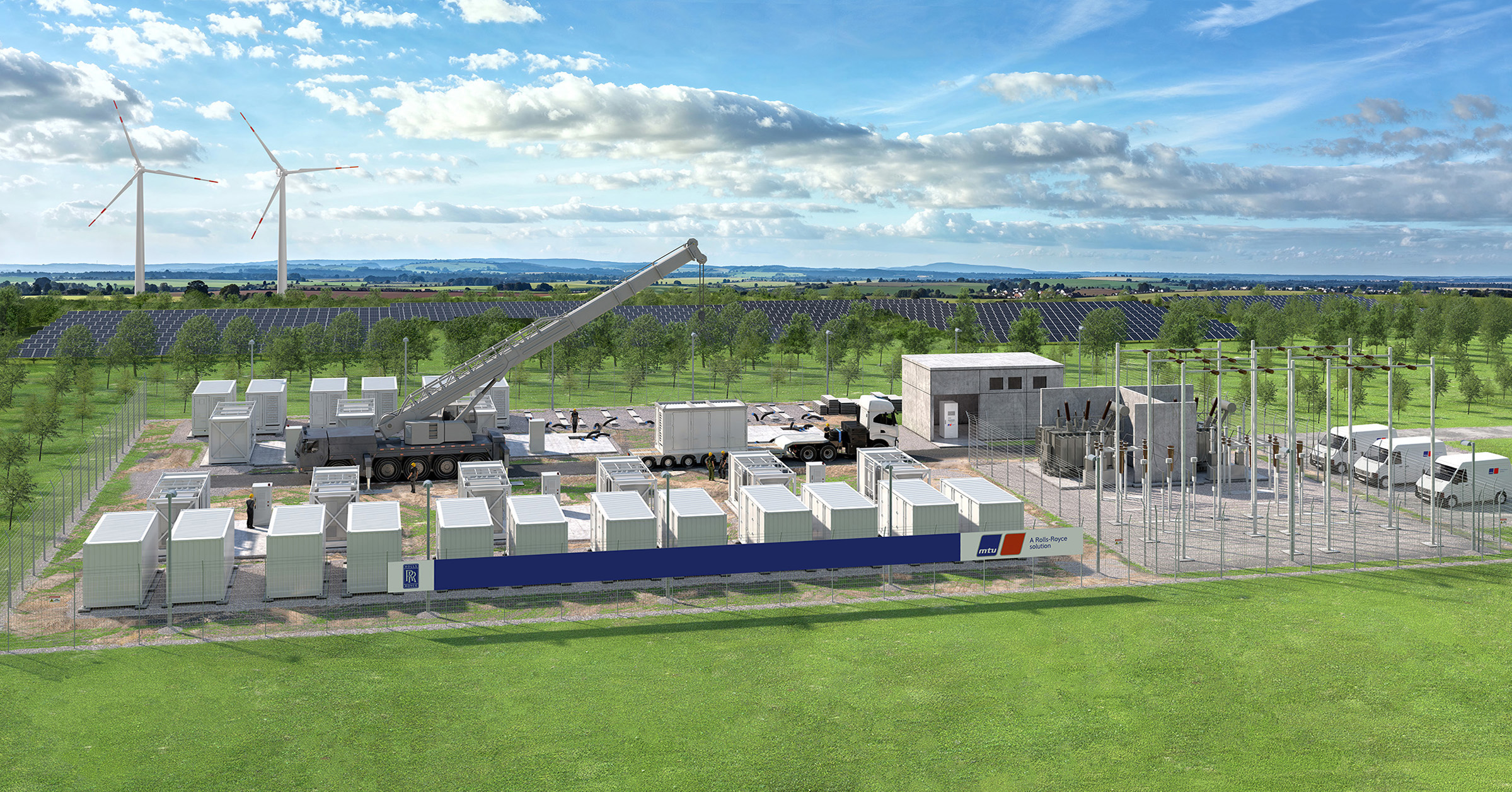
BESS facilities are central to matching energy supply with demand. They capture excess energy generated from sources like solar and wind, storing it in large-scale rechargeable batteries. This stored energy is then dispatched when generation dips or demand surges, smoothing out fluctuations and ensuring grid reliability.
Key components and considerations for BESS include:
- Batteries: The core storage medium, often lithium-ion.
- Power Capacity (MW/kW): Determines how quickly energy can be charged or discharged.
- Energy Capacity (MWh/kWh): Defines the total amount of energy the system can hold.
- Inverters: Convert DC power from batteries to AC power for the grid, and vice versa.
- Sensors: Continuously monitor performance and system health.
- Control Units: Manage charging, discharging, and energy flow regulation.
- Cooling Systems: Maintain optimal operating temperatures.
- Battery Management System (BMS): Ensures safety and efficiency by monitoring voltage, temperature, and state of charge.
- Energy Management System (EMS): Coordinates overall energy use based on real-time data and operational goals.
While BESS currently dominates, the DNV ETO 2024 anticipates that longer-duration storage technologies (flow batteries, compressed air, gravity systems) will begin scaling in the 2030s.
Phasing Out Fossil Fuel Backups: An Achievable Ambition
Replacing fossil fuel backups entirely with renewable energy and storage is a key goal. Several factors are making this achievable:
- Policy: National climate plans increasingly incorporate fossil fuel phase-out strategies.
- Technology: Battery technologies are becoming more efficient and affordable. Hybrid systems use predictive algorithms and smart grids to optimize energy balance. AI helps forecast demand and renewable output, improving dispatch scheduling.
- Demand Response: Programs incentivize users to shift consumption to align with renewable generation peaks.
- Infrastructure Repurposing: Converting old fossil fuel plants into renewable or storage hubs aids the transition.
The Regulatory Landscape: Driving Storage Deployment
Policy plays a crucial role in accelerating storage adoption globally:
- European Union: The Electricity Market Design Directive defines storage uniquely, removing barriers and ensuring fair grid access. REPowerEU is also boosting solar and wind, creating more opportunities for storage.
- China: The 14th Five-Year Plan targets 30 GW of storage by 2025, positioning China as a global leader.
- United States: The Inflation Reduction Act introduced significant Investment Tax Credits (30-50%) for standalone storage, aiming to speed up deployment.
Despite progress, challenges like upfront costs, evolving regulations, and investment gaps remain, but each presents an opportunity for innovation.
Industry Solutions: Enabling the Hybrid Future
Companies like GreenPowerMonitor (GPM), part of DNV, are leveraging extensive expertise (110 GW under management, support from 5,000+ DNV energy specialists) to meet the growing demand for sophisticated storage and hybrid solutions.
Their offerings include:
- Energy Management System (EMS): Optimizes battery performance, extends asset life, and enhances grid reliability.
- Hybrid Energy Management System (HEMS): Enables seamless coordination between PV systems and BESS, boosting efficiency and ensuring compliance.
"At GPM, we recognize that the energy transition is dynamic and demands constant innovation," adds Arévalo. "As part of DNV, we bring deep expertise... and the flexibility to adapt to evolving industry needs. We are committed to collaboration, especially in BESS and hybrid projects, to help drive the sustainable growth of the energy sector."