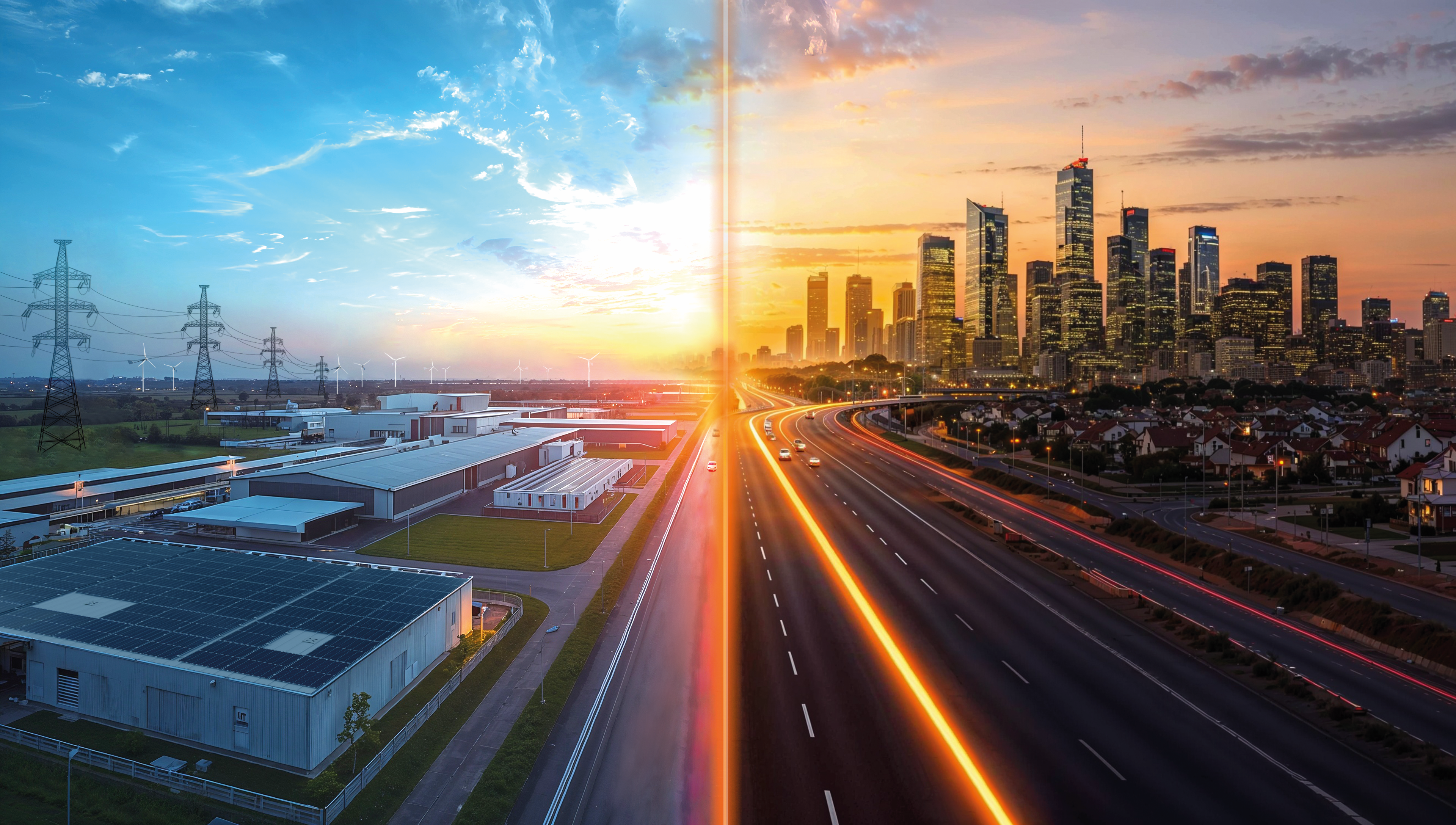
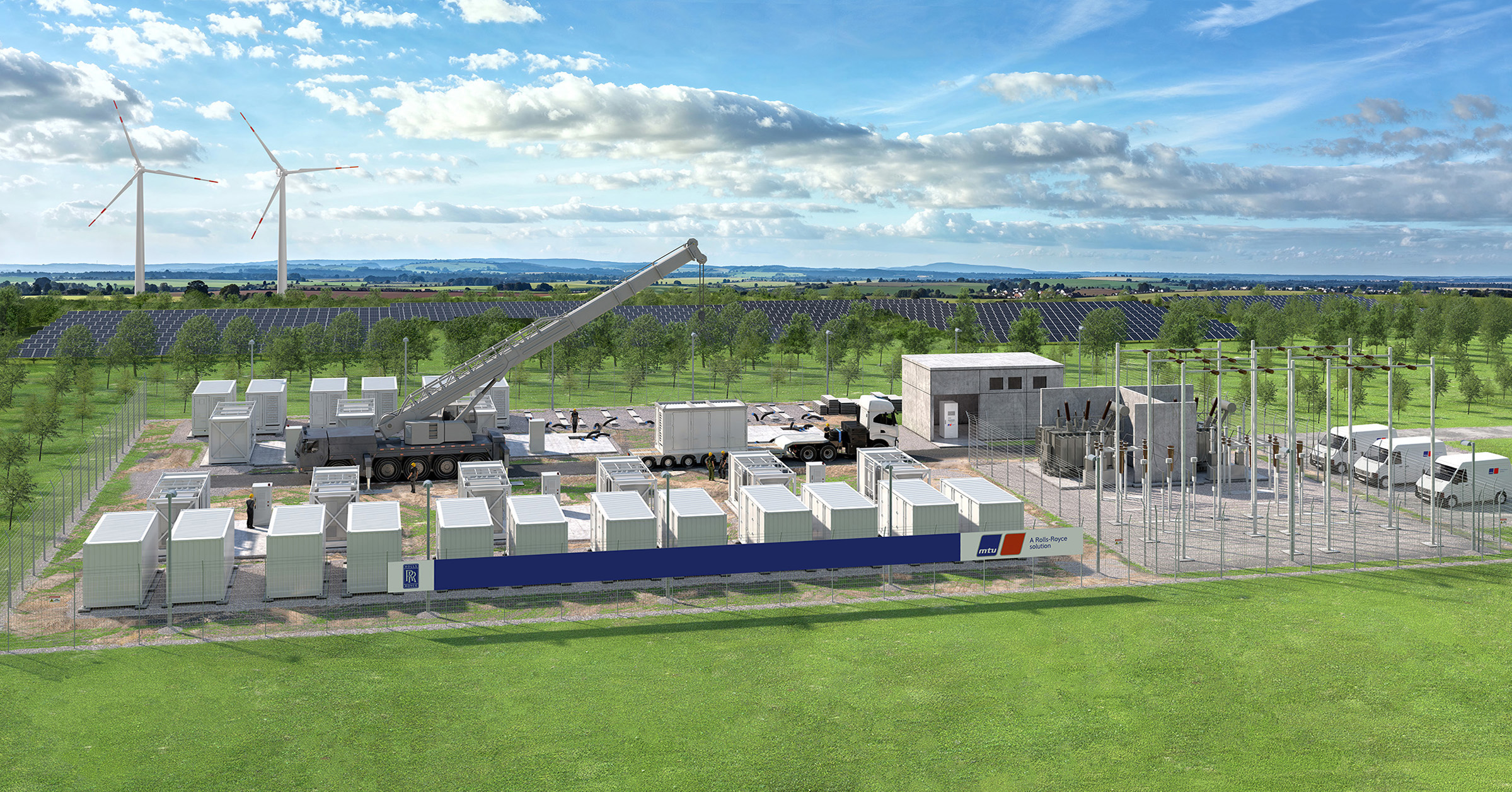
Distributed solar in Europe is moving beyond standalone PV. Higher and more volatile electricity prices, changing feed-in tariffs and grid constraints are increasing interest in systems that combine generation, battery storage and intelligent energy management.
Kevin Ying, General Manager of International Sales, Distribution Business Center at Sineng Electric, says this is changing both residential and commercial and industrial (C&I) system design, with storage increasingly considered from the outset rather than added later.
From standalone PV to integrated systems
Sineng Electric’s European distributed business covers residential and C&I applications. Ying says demand is increasingly focused on PV and hybrid inverters alongside residential all-in-one solar plus storage systems.
The shift reflects several priorities:
- Increasing solar self-consumption
- Responding to dynamic electricity prices
- Improving energy resilience
- Simplifying installation
- Supporting different European grid requirements
Storage-first designs, including DC-coupled and modular systems, can coordinate generation, consumption and batteries as part of one energy system.
Why storage is becoming more attractive
Ying identifies high electricity prices, reduced feed-in tariffs and grid constraints as important drivers for European battery adoption.
Rather than exporting surplus solar generation at relatively low rates, households and businesses can store electricity for use later. Advanced charge and discharge strategies can also respond to time-of-use tariffs, shifting consumption away from higher-cost periods.
For C&I users, this can support greater cost predictability. Storage can also provide backup capability and, increasingly, access to flexibility and grid services markets.
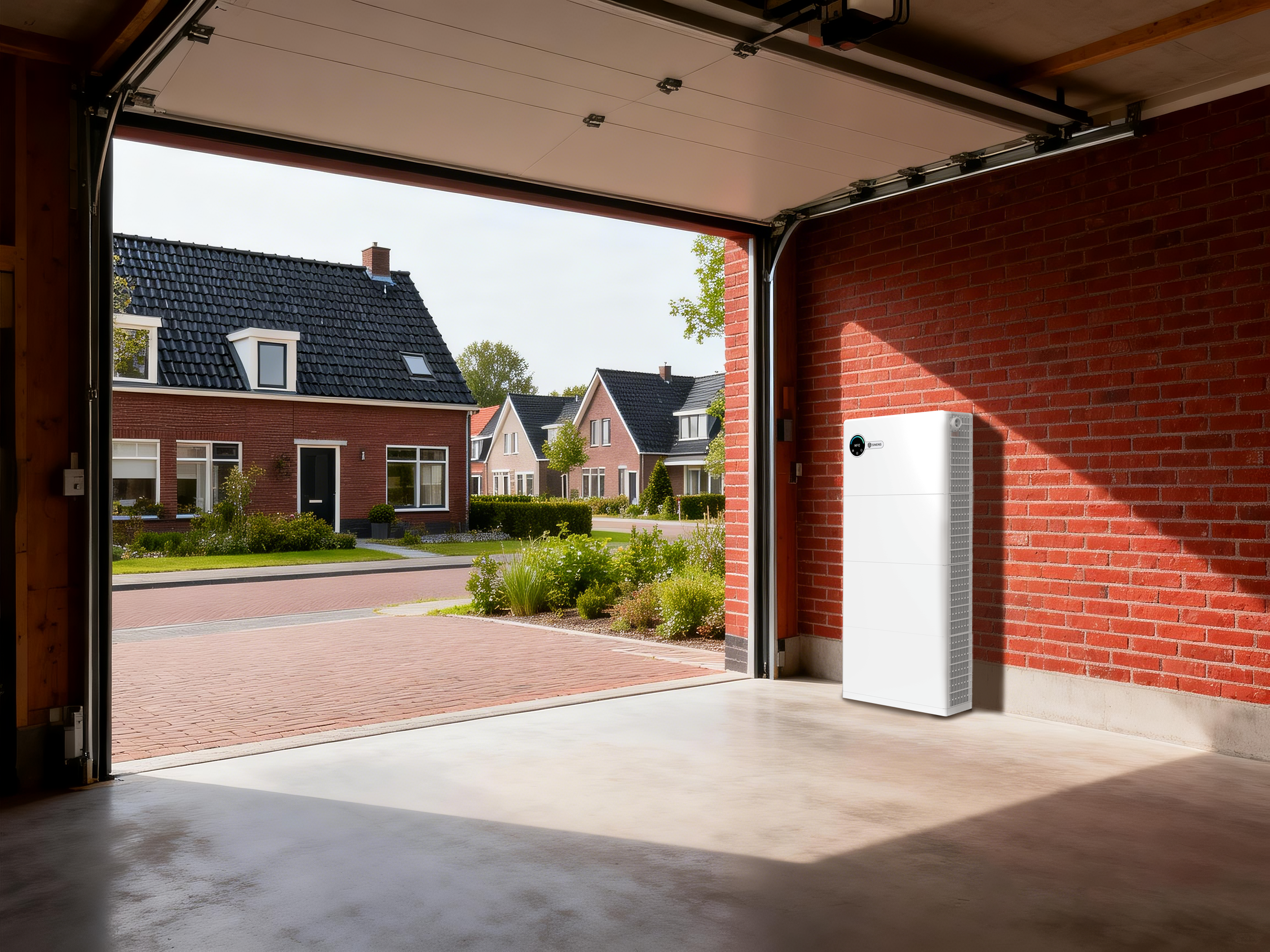
Residential battery installations show how storage is becoming part of the distributed energy system rather than a separate technology.
Performance must be matched by reliability
For distributed systems, Ying highlights efficiency, system stability and intelligent energy management as key engineering priorities.
Sineng Electric says its systems undergo safety, environmental and lifecycle testing, while its design approach also focuses on simplified installation and grid-to-off-grid switching.
For installers, integrated systems can reduce onsite wiring and component matching. Plug-and-play designs, digital monitoring and remote diagnostics can further reduce commissioning and maintenance requirements.
These are company-specific claims about Sineng Electric’s products and engineering approach.
Adapting to different European markets
Europe presents a particular challenge because grid codes, electricity tariffs and installation practices vary between countries.
Sineng Electric says it combines local product adaptation with energy management functions designed around changing tariff structures. Intelligent charge and discharge strategies can respond to dynamic pricing while local partnerships help address individual grid requirements.
C&I installations show another side of distributed solar, where multiple inverters and electrical infrastructure must operate as part of a coordinated system.
Distributed assets take a more active role
Looking ahead, Ying expects hybrid PV plus storage systems to interact more directly with electricity networks.
Potential developments include:
- Grid-forming capabilities
- Advanced energy management systems
- Virtual power plant (VPP) integration
- Flexible loads such as heat pumps
- Electric vehicle charging
These technologies could allow distributed assets to participate more actively in flexibility markets while helping support grid stability.
The direction described by Ying is therefore broader than simply adding batteries to PV. Distributed energy systems are becoming more responsive, combining generation, storage and consumption around changing electricity prices and grid conditions.
For European households and C&I operators, the value of solar could increasingly depend not only on how much electricity is generated, but on how intelligently that electricity can be stored and used.
Read the complete interview with Sineng Electric on distributed solar, battery storage and intelligent energy management in Europe in PES Solar: https://pes.eu.com/exclusive-articles/powering-europes-distributed-energy-transition