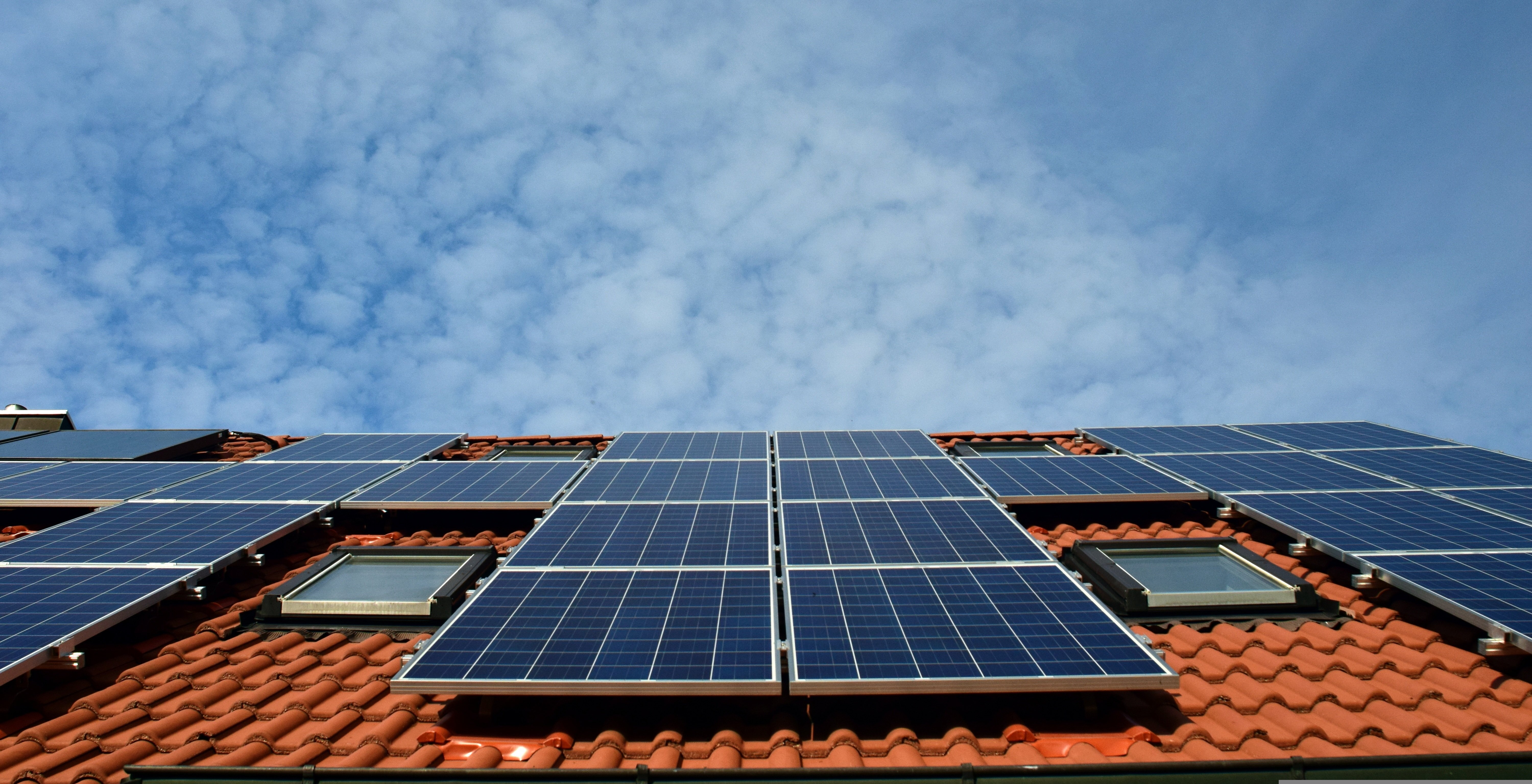
Solar has become a mainstream source of electricity. The next question is increasingly about what happens after that electricity is generated: can it be stored, shifted to periods of higher demand and used to provide greater control over energy costs?
For PES Solar, this is why battery storage has moved from a supporting technology towards a core part of the solar discussion. Across residential, commercial and utility-scale markets, the value of solar is increasingly linked to how intelligently electricity can be stored, managed and used.
A rapidly growing storage market
The numbers illustrate the change. SolarPower Europe reported that the EU installed 27.1 GWh of new battery capacity in 2025, bringing operational capacity to 77.3 GWh by the end of the year.
For different users, storage can provide different benefits:
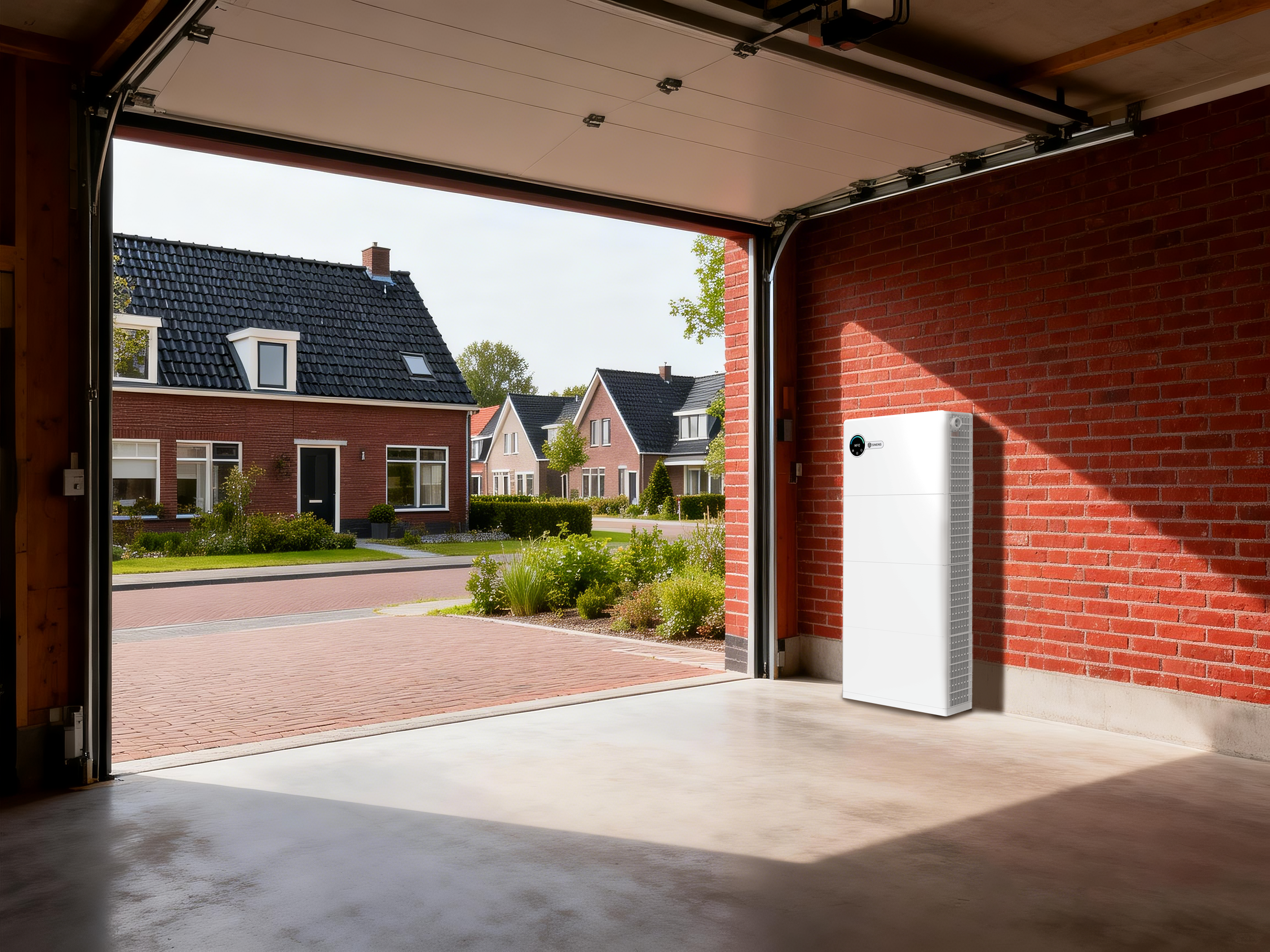
- Higher solar self-consumption for households
- Management of demand peaks for businesses
- Greater resilience and more predictable energy costs
- Reduced curtailment risk for larger projects
- Flexibility and grid services
But adding a battery does not simply turn a solar installation into a better project. Storage changes how the complete system must be designed and operated.
More than panels and batteries
A solar plus storage project requires decisions around system sizing, inverter specification, fire safety, monitoring, warranties, operating strategy and potential revenue.
For installers and engineering, procurement and construction contractors (EPCs), battery sizing is particularly important. An undersized system may fail to meet customer expectations, while an oversized battery can weaken project economics.
The appropriate design depends on factors including the load profile, tariffs, export arrangements, available space, grid connection limits and the customer’s objectives.
Power electronics are also becoming more important. The inverter increasingly forms part of a wider control architecture that manages generation, storage, consumption and grid interaction in real time.
Solar becomes part of the energy strategy
For commercial and industrial users, solar plus storage can become part of a broader approach to energy rather than simply a sustainability measure.
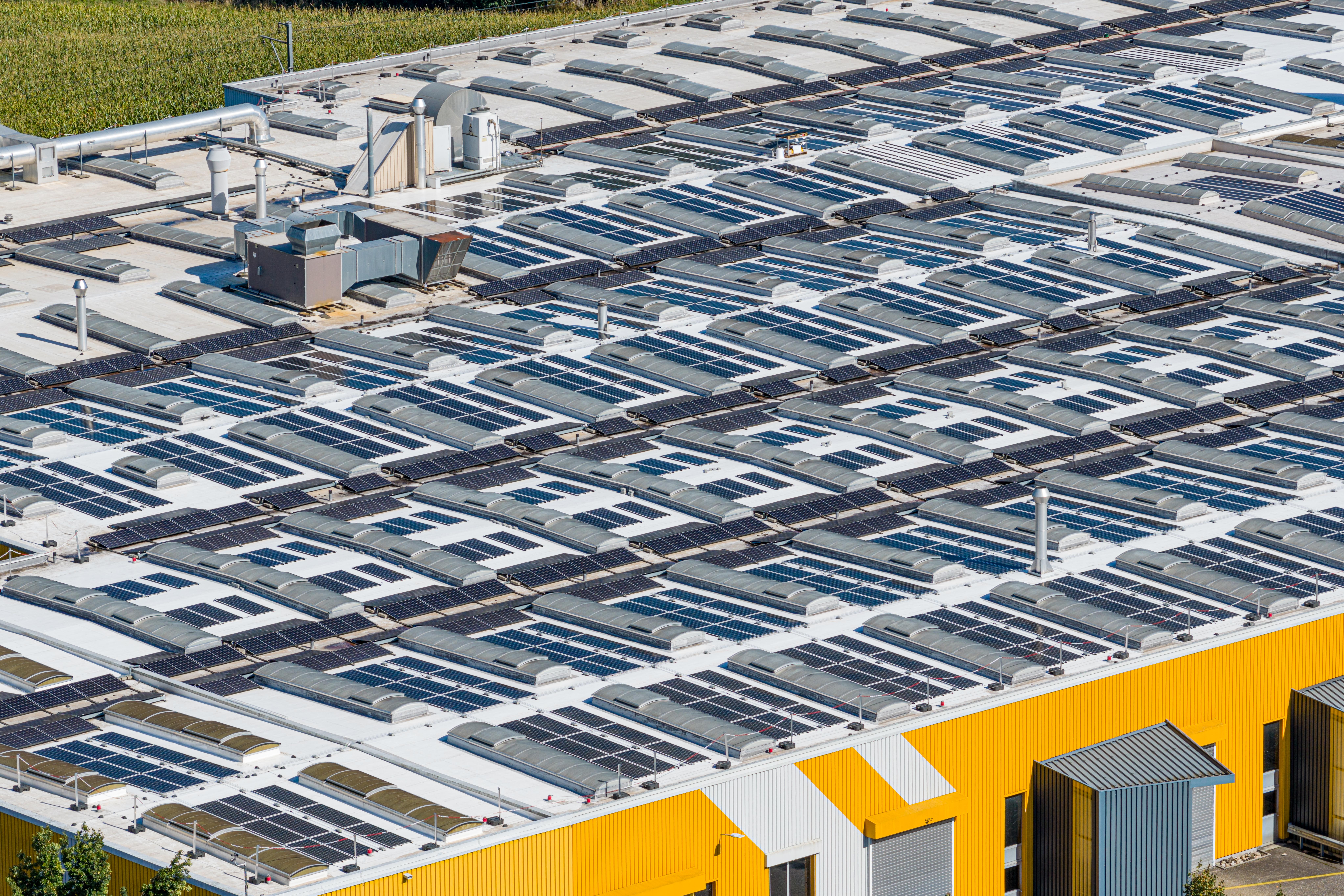
Factories, warehouses, data centres, supermarkets and logistics facilities often combine high electricity consumption with a strong need for operational continuity. Energy price volatility can therefore directly affect margins.
Storage can support cost control, resilience, carbon reduction and greater energy independence, while helping businesses make better use of available roofs, car parks and land.
Residential solar is changing too. Homeowners are increasingly considering batteries alongside electric vehicle charging, heat pumps, smart tariffs and energy management applications. Solar is becoming one component within a connected domestic energy system.
Supporting a more flexible grid
At utility scale, storage addresses a different challenge. As solar penetration increases, periods of abundant generation can place pressure on electricity networks and increase curtailment.
The International Energy Agency describes battery storage as a versatile source of short-term power system flexibility, supporting balancing, grid services, security of supply and the movement of renewable electricity to periods of higher demand.
Storage therefore does more than address solar’s variable generation. It can contribute to the wider modernisation of electricity systems.
Storage is not a complete answer
Battery storage should not be presented as a simple solution to every energy problem.
Storage does not remove the need for grid investment, better planning, effective market signals or faster permitting. Project economics still depend on regulation, revenue streams, customer behaviour and local market conditions.
The next stage of solar will therefore require:
- Transparent financial modelling
- Skilled installation
- Robust safety standards
- Reliable operating data
- Realistic customer expectations
Solar now spans everything from residential rooftops to large ground-mounted installations. Storage adds another layer to that development by changing when and how the electricity produced by those assets can be used.
Solar has proved it can generate electricity competitively. Its next phase will increasingly be judged by how effectively that electricity can be stored, managed and delivered when it is most valuable.
For the complete analysis, read the full PES Solar feature on battery storage, flexibility and the changing role of solar within energy systems in PES Solar: https://pes.eu.com/exclusive-articles/solar-and-storage-take-centre-stage