The transition toward clean and sustainable energy systems has pushed the power sector into one of its most decisive decades, where energy security, grid resilience and independence are as urgent as climate mandates. However, achieving success in this transition depends on more than just technological breakthroughs; it relies heavily on how organizations mobilise talent, foster collaboration and refine decision-making processes.
According to the International Renewable Energy Agency (IRENA), women represent just 32% of the global renewable energy workforce, with even lower representation at senior executive levels. This imbalance highlights not only a challenge to equal representation but also a significant missed opportunity, as extensive evidence demonstrates that inclusion and diversity are vital strategic advantages for driving innovation.
Analysing the impact of systemic bias on talent recognition
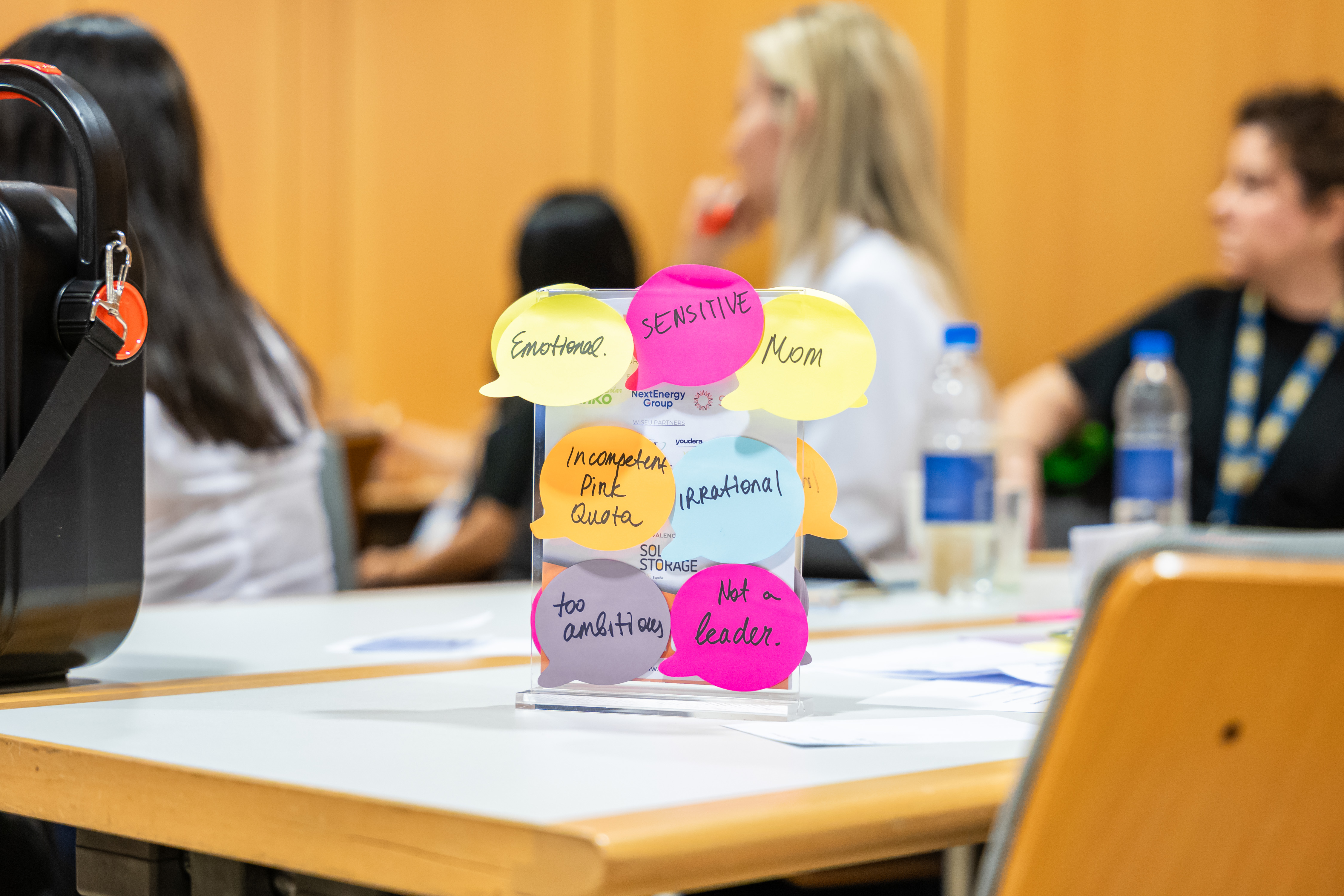
While most clean energy professionals believe that organisational decisions should be based entirely on merit, behavioural research shows that human decision-making processes are rarely free from bias. The barriers facing women in the energy sector are rarely related to a lack of technical skills or interest, but are instead rooted in entrenched cultural norms and organisational habits.
- Declining presence in management layers: According to data from IRENA, signs of systemic bias become evident as female representation drops from 28% in technical STEM roles down to just 19% in senior leadership positions.
- Limiting organisational innovation potential: An organisation's leadership culture directly dictates its pace of innovation, as diverse teams bring broader perspectives to navigate complex engineering and commercial challenges.
- Implicit bias in potential evaluation: Entrenched workplace stereotypes often link leadership potential with specific traditional behavioural traits, regularly causing the technical competencies and collaborative strengths of female professionals to be undervalued.
- Correlations verified by international studies: Authoritative reports from McKinsey & Company consistently highlight a direct correlation between leadership diversity and improved financial performance, as well as superior problem-solving capacities within large corporations.
Strategic frameworks for inclusive leadership cultures
To move past entrenched biases, organisations across the solar, storage, and grid infrastructure sectors must actively create professional spaces that redefine leadership expectations. Achieving real cultural change requires dismantling legacy promotion habits and replacing them with transparent, measurable structures.
- Documenting clear promotion pathways: Clarifying promotion criteria and objective performance metrics removes guesswork from the meritocracy process, minimizing the influence of personal preferences or affinity biases.
- Fostering comprehensive psychological safety: Establishing environments where team members can propose bold ideas or challenge existing strategies without fear of negative consequences unlocks the true innovative capacity of a workforce.
- Continuous awareness of subtle biases: Industry fleets must consistently train managers to spot the subtle, implicit stereotypes that influence everyday hiring choices, task allocations and project leads.
- Creating dedicated spaces for reflection: Launching professional forums and peer-led learning initiatives enables technical specialists to reflect together and collaboratively build next-generation leadership practices.
The collaborative roadmap to next-generation energy systems
Reshaping industry norms and establishing equal frameworks to let all talent excel serves as the foundational mission for leading international clean energy networks. Carmen Madrid, founder of the Women in Solar+ Europe (WiSEu) network, emphasizes that embracing structural and behavioral differences is precisely where the industry's ultimate strength lies.
- Aligning corporate values with climate goals: When energy enterprises systematically identify talent and reinforce inclusion, they unlock their full capacity to execute complex logistical transitions.
- A shared purpose overriding internal differences: Beyond gender or cultural variations, the clean energy workforce is united by a single, critical mission: overcoming the engineering challenges of the energy transition to build secure, resilient and independent power grids for future generations.
How is your clean energy organisation evolving its evaluation frameworks to dismantle subtle organisational biases and future-proof its leadership talent pipeline? Share your thoughts in the comments below.
Looking for the full technical breakdown? To participate in peer-led leadership dialogues and explore strategic workforce diversity toolkits for clean tech sectors, visit the official Women in Solar+ Europe (WiSEu) network at wiseu.network: https://pes.eu.com/exclusive-articles/beyond-bias-building-leadership-cultures-for-the-energy-transition