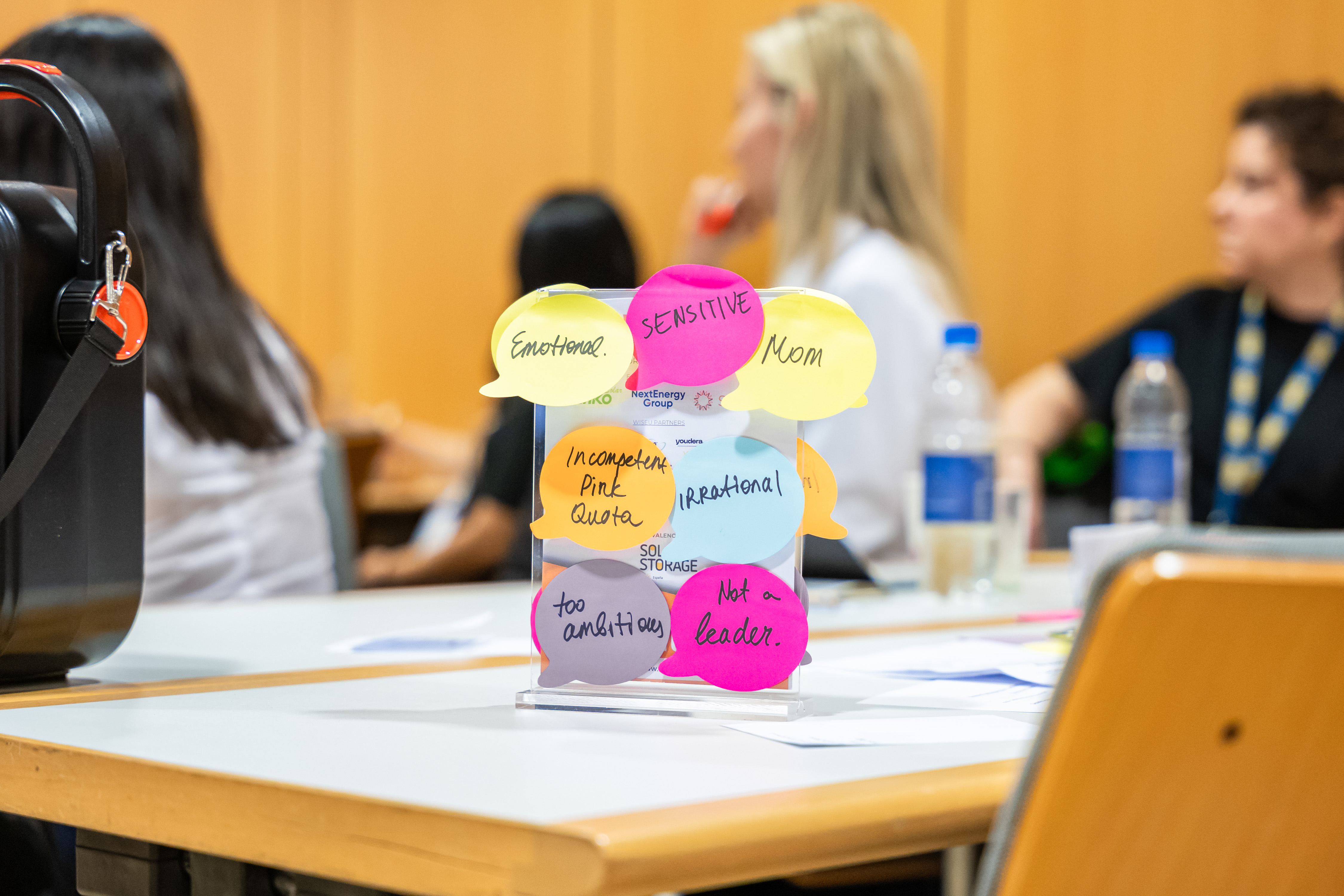
According to IRENA, women represent just 32% of the global renewable energy workforce, with even lower representation at senior levels. This is not only a question of representation, but of missed opportunity. Inclusion is a strategic advantage, and unlocking it requires understanding and addressing the subtle dynamics that shape how leadership potential is recognised and developed.
Most professionals would agree that decisions in modern organisations should be based on merit. Yet behavioural research shows that human decision making is rarely free from bias. The International Renewable Energy Agency (IRENA) highlights that the barriers women face are less about skills or interest and more about entrenched cultural and organisational norms. As a result, female representation declines across levels, from 28% in STEM roles to just 19% in senior leadership.
This matters for the energy transition. Sectors such as solar, storage and grid infrastructure are central to delivering resilient, secure systems at scale, and this depends not only on technology but on how organisations mobilise talent and make decisions.
Leadership culture shapes innovation. Diverse teams bring broader perspectives, make better decisions and are more effective in navigating complexity, a link consistently highlighted by McKinsey & Company.
Download full article