As the global push for renewable energy intensifies, a key enabler is emerging from an unlikely source: decommissioned wind turbines. Second-life turbines are rapidly becoming a cost-effective, sustainable solution for both emerging and established markets.
Leading this charge is RE:Solut. We spoke with Managing Director Marco Scharobe to understand how his company is repurposing German turbines, extending their operational lives, and creating bankable wind energy opportunities around the world.
We see significant opportunity in what is often viewed as the end of a turbines useful life, Marco explains. Many of the turbines currently being dismantled in Germany still hold considerable mechanical and economic value. RE:Soluts mission is to unlock that value by providing a structured, technically sound, and financially de-risked path for these assets to find a new home.
How to Ensure a Turbine is Technically Sound for a Second Life
For investors, the primary concern is reliability. RE:Solut addresses this with a rigorous, two-stage assessment for every candidate turbine selected from its continuously updated database.
1. The Analytical Review: This is the first filter.
- Historical performance data, including SCADA data and maintenance logs, is collected and analyzed.
- The team assesses the loads the turbine has experienced and how it has performed over its lifespan.
- Using reliability engineering principles, they project the remaining service life and suitability for relocation.
2. The Practical Inspection: Once a turbine passes the analytical stage, onsite partners conduct detailed physical assessments.
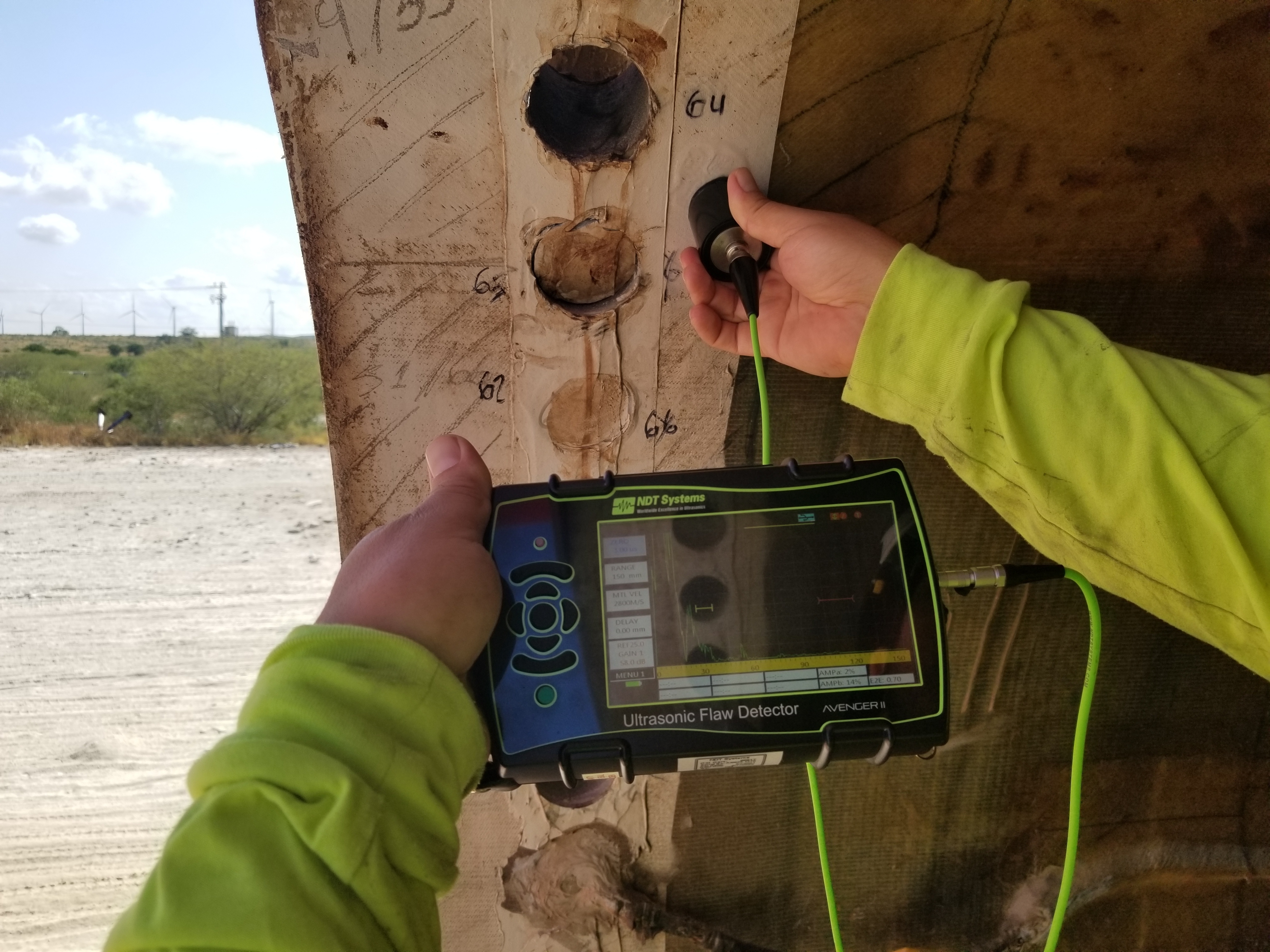
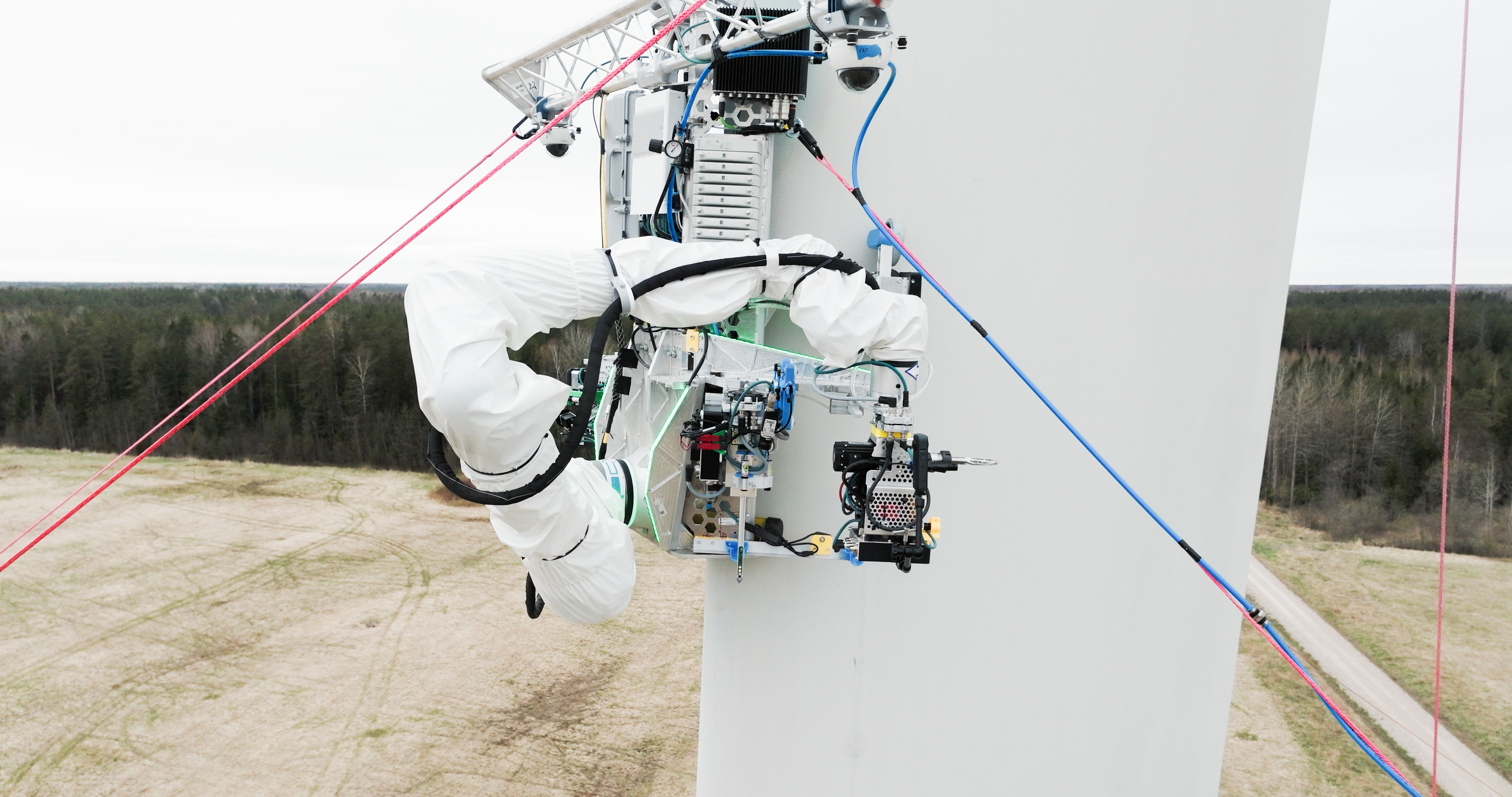
- Key components like blades, the drivetrain, tower, and control systems are inspected hands-on.
- Visual and instrumental evaluations, including non-destructive testing if needed, identify any mechanical wear, corrosion, or fatigue.
Only turbines that perform well in both of these stages are approved for relocation, Marco states. This dual approach means investors are not only getting machines with proven past performance, but also current physical integrity.
From German Fields to Global Grids: The Next Steps
Once a turbine is approved, the focus shifts to its new home. RE:Solut evaluates the potential target site by modeling local wind regimes and ensuring grid compatibility. This involves:
- Analyzing meteorological data to create a site-specific performance forecast.
- Assessing the turbines electrical systems against local voltage, frequency, and fault ride-through standards, adapting them as needed.
The result is a detailed energy yield model that backs a guaranteed minimum performance level for investors, providing a solid foundation for project financing and operational planning.
The physical transfer is a fully coordinated logistics chain. This includes dismantling by certified contractors in Germany, refurbishment at partner facilities (where worn components are replaced and control systems are updated), and managing all transport, permits, and customs for delivery to the new site. Finally, the turbine is reassembled and undergoes commissioning tests to validate its performance before starting its second operational life.
The Advantages for Project Developers
This turnkey approach offers significant benefits for developers, especially in markets where capital constraints can make new installations difficult.
- Cost-Effectiveness: Developers can access high-quality, proven turbines at a fraction of the cost of new equipment.
- Reduced Risk: The combination of transparent technical due diligence, documented refurbishment, and a guaranteed yield lowers uncertainty and accelerates access to financing.
- Accelerated Timelines: With supply chains for new turbines often stretched, second-life assets can be delivered and installed within months, not years.
- Enhanced Sustainability: Reusing turbines reduces a projects embodied carbon and demonstrates a commitment to the circular economy, which is increasingly important for investors focused on ESG metrics.
Second-life turbines represent a huge opportunity to decarbonize faster and more affordably, Marco concludes. The energy transition needs practical, scalable solutions. Reusing proven technology... is one of the smartest ways to achieve faster deployment and better financial outcomes.