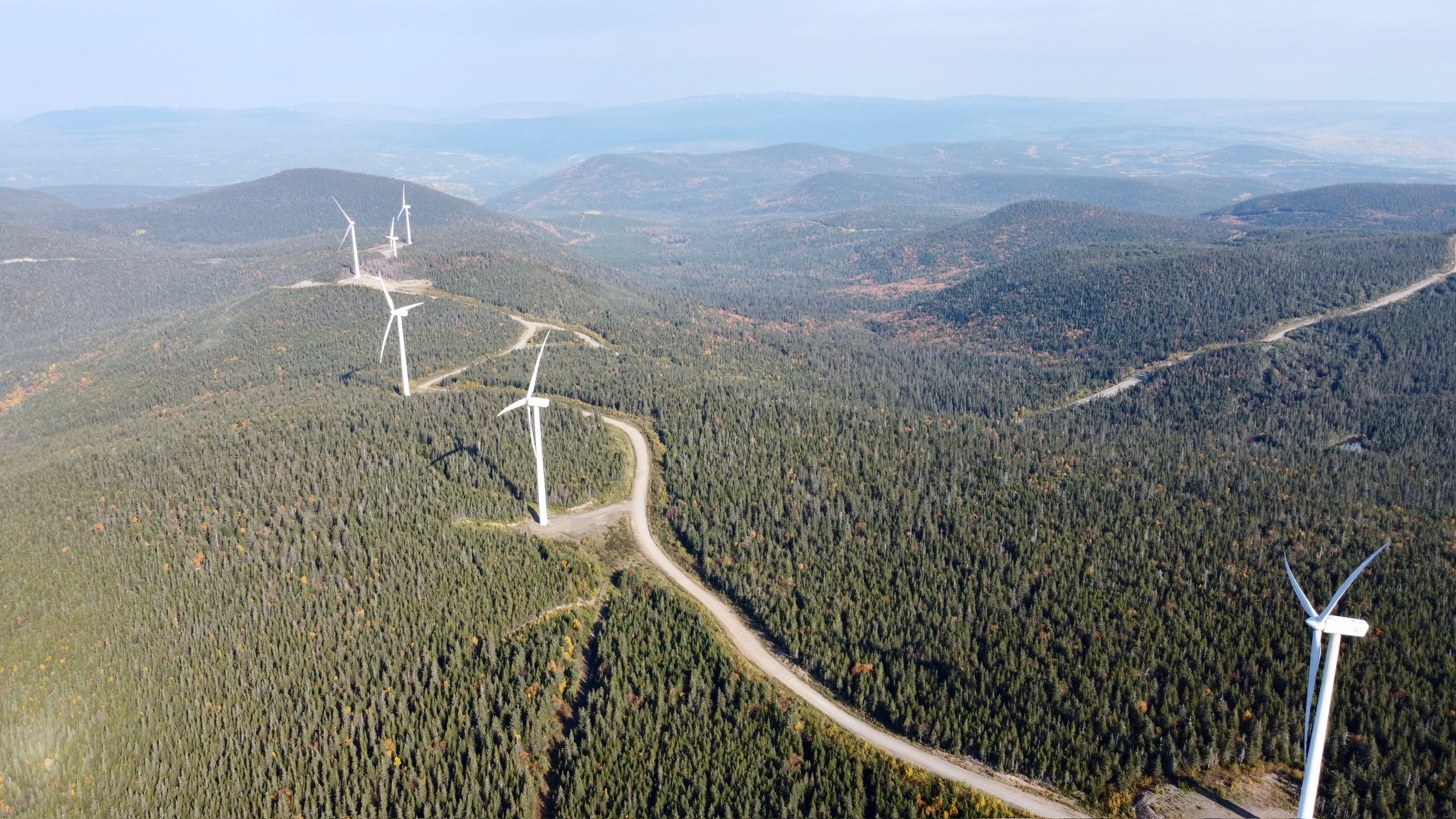
Canada's wind energy sector is gaining significant momentum, with a strong pipeline of projects pushing growth through the 2030s. While onshore installations continue to dominate the market, offshore development off the coast of Nova Scotia is rapidly emerging as an exciting new frontier.
However, much of the country's current installed onshore capacity consists of older wind farms that have been operating for a decade or more. These ageing turbines require increased maintenance, parts replacement and closer operational oversight to maintain peak performance.
For component suppliers, physical distance from these asset clusters is a major liability that leads to costly logistical delays and extended downtime. To establish a highly reliable repair loop, Dellner Wind has established Dellner Wind Solutions Canada, opening a dedicated facility in the Gaspé region of Québec to provide local, rapid-response support.
Managing the component refurbishment cycle
Operating older wind infrastructure demands an economically viable approach to component lifecycles rather than simply buying new parts every time.
- The ageing fleet challenge: Older turbines are typically smaller and less efficient than modern variants, meaning keeping them profitable requires minimising operational expenditure and maximising uptime.
- The refurbishment loop: As heavy-duty hydraulic parts, pitch components and braking systems enter their wear-and-tear phase, operators need an efficient pipeline to dismantle, refurbish and reinstall assemblies without waiting months for international shipping.
- Global knowledge transfer: Bridging the gap between mature wind economies like Denmark and expanding markets like Canada allows suppliers to apply decades of operational lessons to local North American climate challenges.
The critical role of hydraulic braking and yaw systems
Hydraulic systems and mechanical brakes are among the most safety-critical components of a wind turbine, directly dictating asset availability and grid safety.
- Active yaw systems: Active yaw systems use robust hydraulic drives to constantly rotate the massive turbine nacelle into the wind, preventing power loss and reducing severe load imbalances.
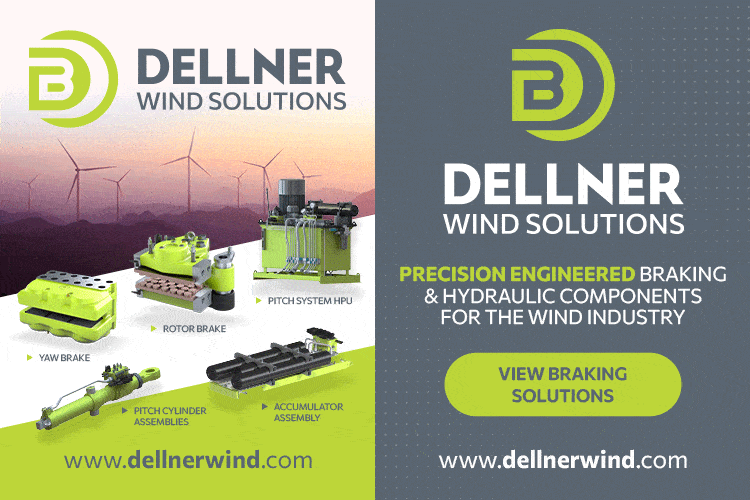
- High-spec braking equipment: Rotor brakes, hydraulic calipers, rotor locking pins, cooling units, cylinders and accumulators work together to guarantee safe stopping parameters during extreme storms or standard maintenance windows.
- Navigating regional operational realities: Operating in distinct provinces like Québec requires deep alignment with local industrial culture and language requirements. Technical standards are rarely universal, meaning component selection and inspection schedules must be tailored to endure harsh regional climates.
Combining human expertise with technical innovations
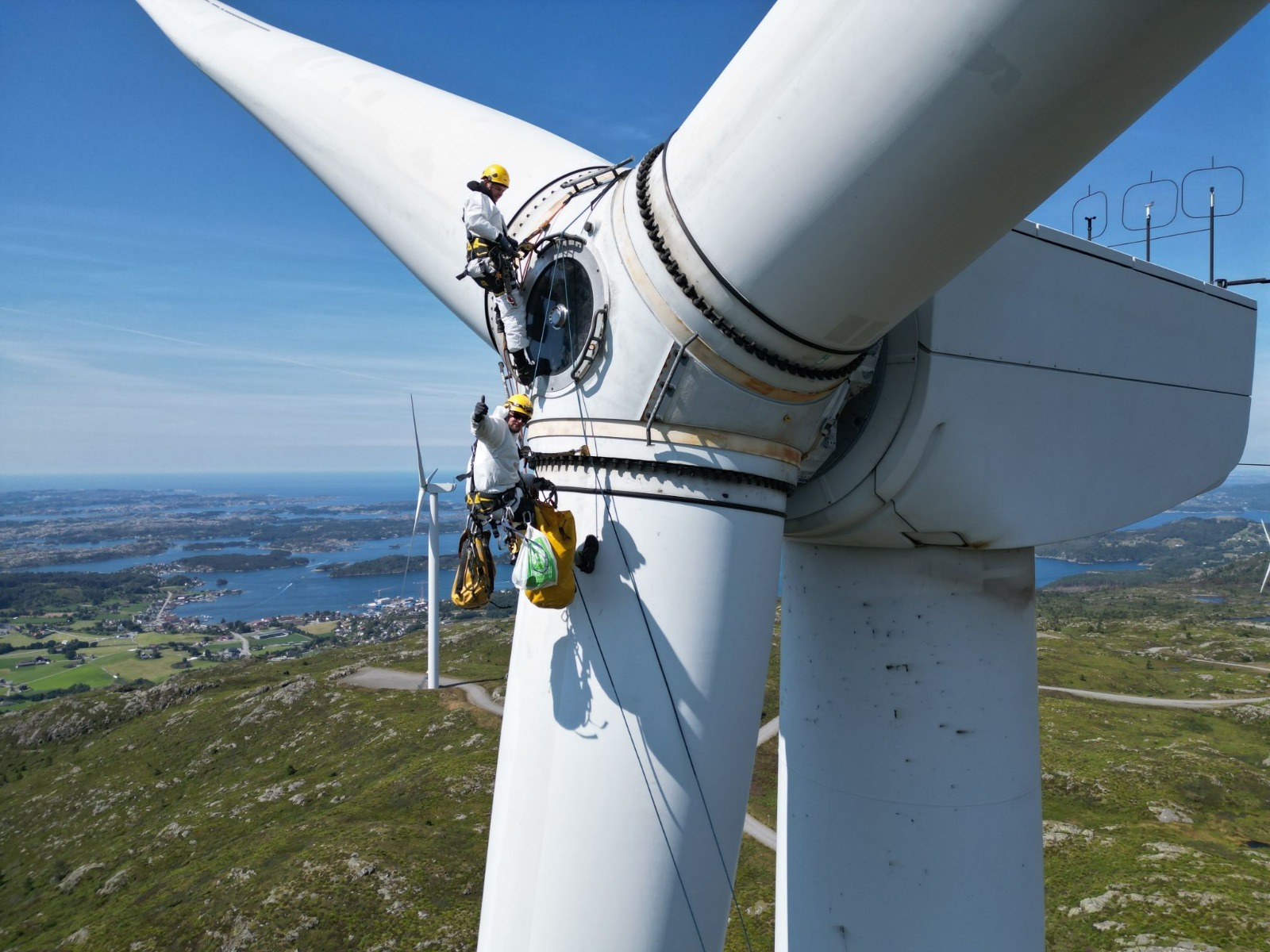
Even with advanced condition monitoring, the effectiveness of any O&M strategy relies on the skill of the field technicians executing the work. Translating raw sensor data into reliable energy output requires qualified specialists who understand how composite and mechanical parts degrade under field pressures.
To share these technical insights and connect with wind operators across North America, the Dellner expert team will be showcasing their latest braking innovations and local service frameworks at major upcoming international events, including WindEurope in Madrid and CleanPower in Houston.
How is your team optimising its component refurbishment cycles to protect margins on aging wind assets? Share your thoughts in the comments below.
Looking for the full technical breakdown? To read the complete interview on hydraulic system reliability and Canadian wind logistics, visit the original article on the PES Wind website: https://pes.eu.com/exclusive-articles/%C3%A0-votre-service





(1)_wide-1.png)
-1.jpg)