The offshore wind sector is advancing rapidly into challenging territories—larger sites, further from shore, and facing increasingly demanding weather. These shifts bring heightened expectations for safety, cost reduction, and environmental responsibility. At the heart of these operations are the Crew Transfer Vessels (CTVs) and support boats, whose roles are mission-critical yet cost-intensive.
In response, the industry is embracing Artificial Intelligence (AI) and autonomy to transform vessel operations. Leading this charge is Robosys Automation with its VOYAGER AI system, helping to write the next chapter of intelligent, autonomous offshore logistics.
Why Autonomy Matters Now
The surge in autonomy adoption is driven by the urgent need to address major operational hurdles:
- Safety First: Transferring crews in rough seas is fraught with danger. Autonomy mitigates collision risks and navigational hazards.
- Cost Efficiency: Conventional operations are expensive. Optimizing routes and maximizing uptime through AI directly reduces fuel, maintenance, and crew costs.
- Sustainability: With growing scrutiny on emissions, inefficient vessel operations are no longer acceptable. AI optimizes speed and heading to save fuel.
- Scalability: As wind farms expand, the need for continuous monitoring and logistics grows. Operators demand reliable, predictable support that only smart systems can provide.
Technological Trends Driving the Change
Several advancements are powering this evolution:
- Smart Navigation: Integration of AIS, radar, LIDAR, and AI-based computer vision facilitates dynamic obstacle detection and collision avoidance compliant with maritime regulations.
- Remote Operations Centers (ROCs): Onshore or mothership-based centers can now supervise USVs, reducing personnel exposure to risk.
- Scalable Autonomy: From decision support for human crews to fully autonomous operations, technology allows for phased adoption.
- Green Integration: AI is increasingly paired with electric or hydrogen propulsion to further lower environmental impact.
VOYAGER AI: Breaking the Mould
Robosys Automation’s VOYAGER AI platform exemplifies this shift. It offers a flexible software solution for both crewed and uncrewed vessels, featuring:
- Modularity: A spectrum of autonomy from decision support to full navigation.
- Seamless Integration: Open interfaces connect with existing onboard systems (autopilots, thrusters) and support ECDIS for route planning.
- Safety Protocols: Adherence to COLREGs for collision avoidance and automatic fail-safe behaviors like return-to-base protocols.
Real-World Impact
The technology is already proving itself in the field.
- Retrofitting Success: Robosys recently retrofitted a 26-metre Damen 2610 CTV with VOYAGER AI, incorporating remote control and autonomous navigation while retaining known vessel performance—a cost-effective alternative to new builds.
- Hydrogen Innovation: A collaboration with ACUA Ocean integrates VOYAGER AI into hydrogen-powered USVs, merging clean propulsion with advanced autonomy for long-endurance monitoring.
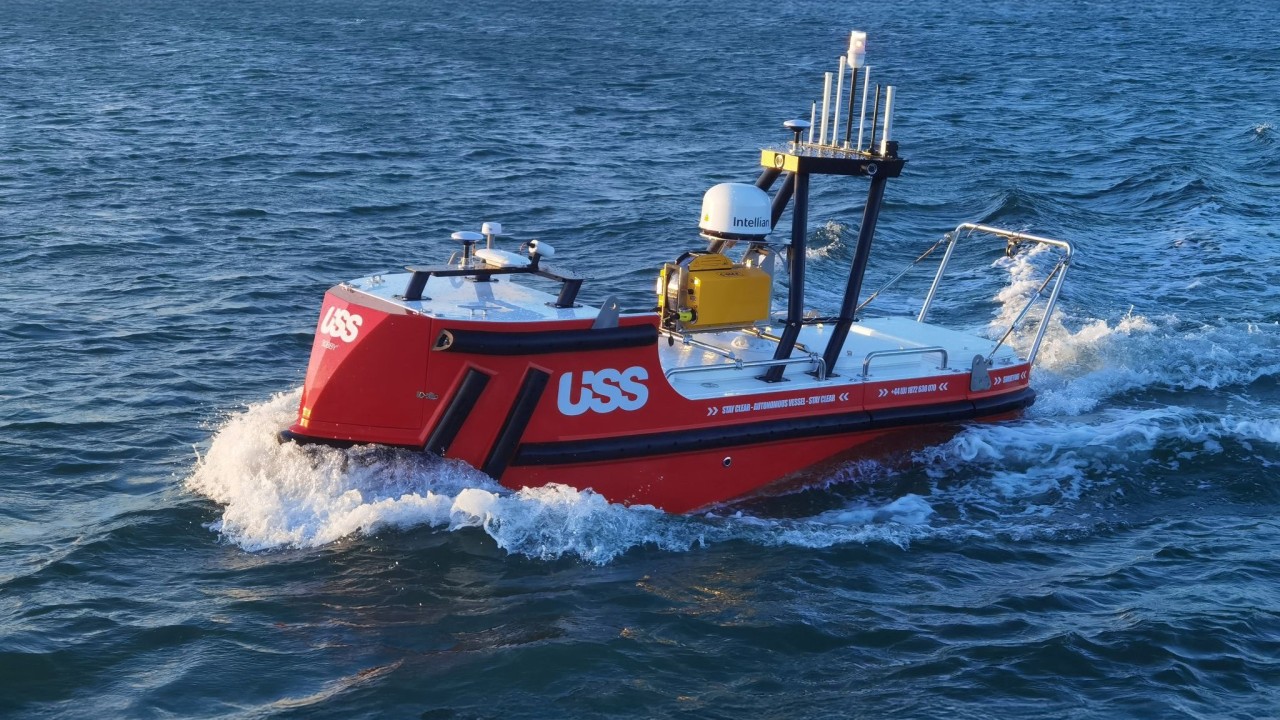
- Survey Support: Smaller USVs, like those from Uncrewed Survey Solutions, utilize the system for various survey missions, showcasing versatility across vessel sizes.
Considerations for Fleet Operators
For operators exploring this frontier, the path forward involves strategic choices:
- Target High-Benefit Tasks: Start with repetitive or hazardous tasks like inspections and crew transfers.
- Assess Retrofits: Upgrading existing vessels can deliver faster returns than commissioning new ones.
- Invest in Resilience: Ensure hardware and sensors can endure harsh offshore conditions.
- Engage Regulators: Proactively work with classification bodies to shape standards and streamline compliance.
Conclusion
The offshore wind sector is undergoing a profound transformation. Vessels are evolving from traditional workhorses to intelligent platforms that deliver greater efficiency, safety, and sustainability. As technologies like VOYAGER AI become widespread, the benefits—lower costs, improved safety, and reduced emissions—will help offshore wind achieve its potential as a leading source of clean, scalable energy.