Enabling the Future of Renewable Energy Through Advanced Materials
Henkel, through its Power Conversion and Industrial Automation Division, is driving the advancement of renewable energy systems by innovating in material science to improve power conversion, battery efficiency, and system reliability—particularly in solar and electric vehicle (EV) sectors.
Why Energy Storage and Conversion Matter
To meet rising global energy demands and reduce dependence on fossil fuels, solar and wind power require improved infrastructure and energy management strategies. Key challenges include:
• Intermittent energy generation from solar systems requiring reliable battery storage.
• Grid vulnerabilities, especially during extreme weather, due to limited storage and aging infrastructure.
• Increased stress on power grids from EV charging during peak hours.
Smart Storage Solutions and Grid Resilience
Efficient energy storage solutions help balance supply and demand, prevent outages, and add economic value to solar energy. Key innovations include:
• Backup batteries for solar systems to stabilize usage.
• Nighttime EV charging to reduce grid load.
• Stored energy resale during peak demand for higher returns.
High-Efficiency Components and Thermal Management
Alternative energy systems rely heavily on high-performance electronics. Henkel supports this with:
• Early adoption of advanced semiconductors like GaN and SiC for superior power conversion.
• Advanced cooling methods and smart sensors to manage lithium-ion battery temperatures.
• Protective materials like gaskets, sealants, and TIMs to ensure durability in harsh environments.
Future Trends in Energy Storage and Conversion
Innovation is set to continue through both public and private investments, with promising developments in:
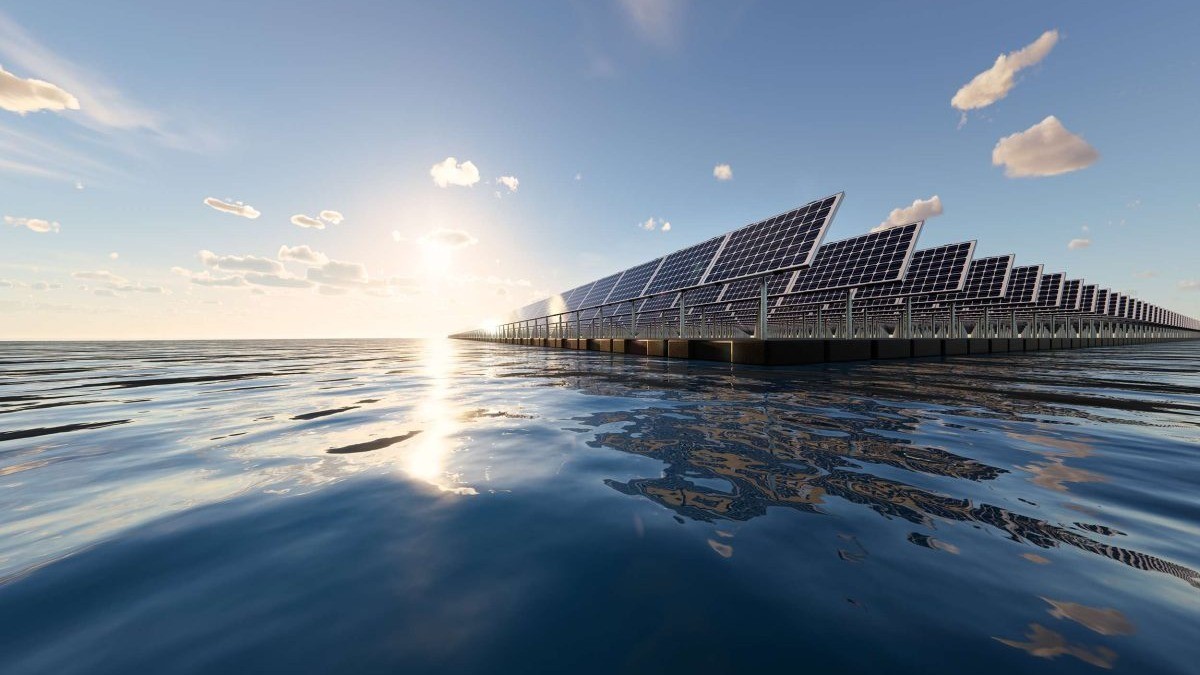
• Floating solar panels ("floatovoltaics").
• Supercapacitors for ultra-fast charging.
• Alternative battery chemistries including sodium-ion, lithium-sulfur, and flow batteries.
Henkel’s Role in the Energy Transition
Henkel collaborates with designers and manufacturers to deliver:
• High-performance assembly materials enhancing efficiency, safety, and reliability.
• Sustainable materials like isocyanate-free gaskets and renewable feedstock-based polymers.
• Emerging "debond-on-demand" technologies to support recyclability and circular design.
By integrating advanced materials with next-gen system design, Henkel helps ensure that renewable energy systems are not only functional but also sustainable and future-ready.
Read the full article here: https://pes.eu.com/exclusive-article/trends-in-alternative-energy-technologies/