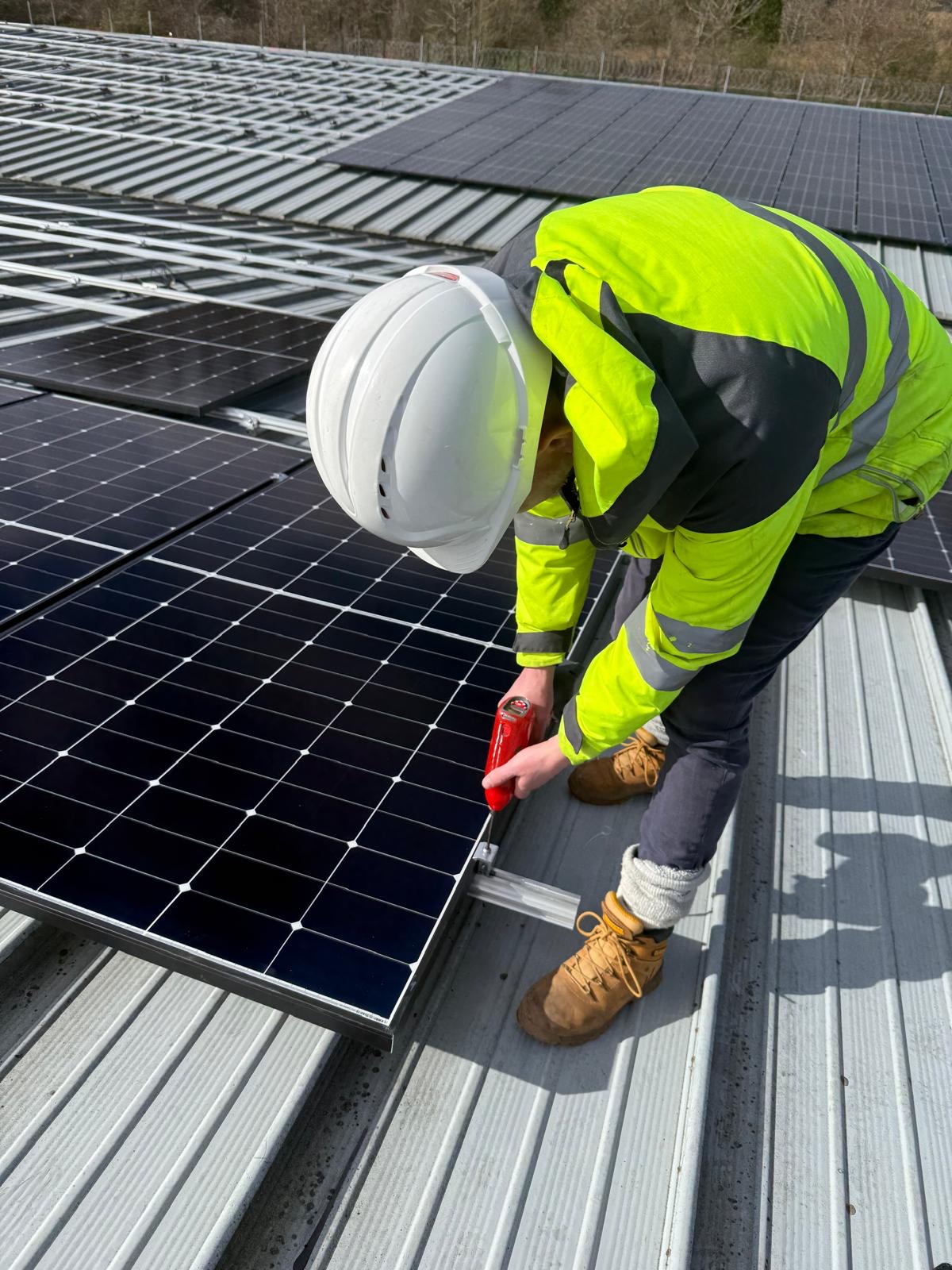
The UK solar sector has moved well beyond its early growth phase, transitioning from a market driven by rapid deployment and falling costs to an established pillar of the national long-term energy infrastructure. Backed by legally binding net zero commitments and rising investor confidence, solar assets are increasingly treated like utilities designed for long-term stewardship.
As ownership models shift toward long-term asset retention by pension funds and infrastructure managers, the traditional engineering, procurement and construction (EPC) mindset that prioritised installation velocity is being replaced by an intense focus on lifetime performance, fire risk mitigation and defensible quality standards.
Within this changing landscape, traceability has surfaced as a fundamental, practical framework for assuring on-site quality and preventing catastrophic infrastructure failures.
Evolving risks and hidden failures in electrical terminations
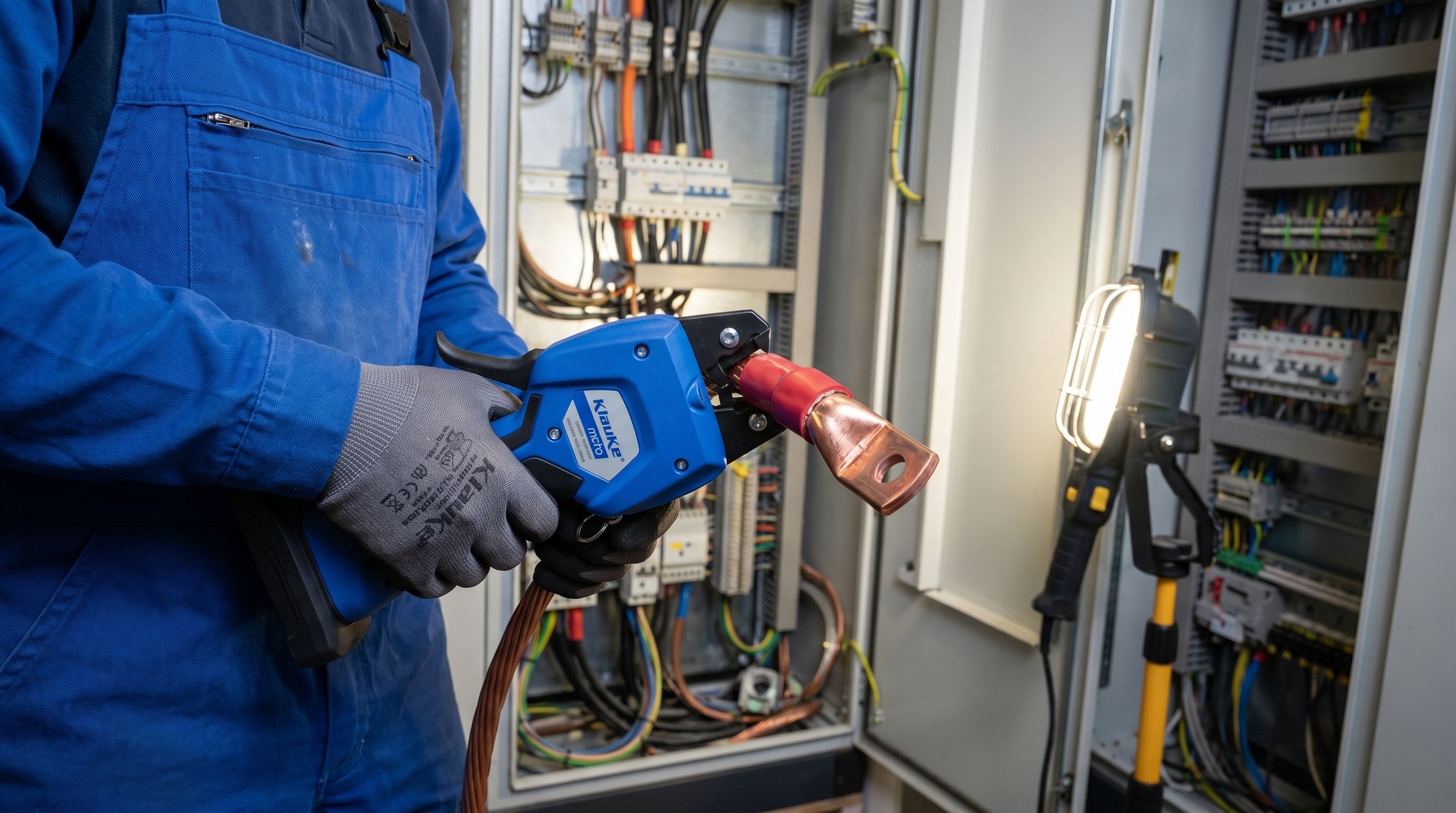
Electrical terminations, torque applications and connector assembly methods heavily dictate the multi-decade safety and reliability of a solar installation long after it has been commissioned. When execution quality is inconsistent or poorly controlled, minor installation errors establish severe, invisible degradation pathways that can culminate in devastating electrical fires.
- Increased contact resistance: Incorrectly crimped connections or under-torqued bolts leave microscopic gaps between conductive surfaces, immediately driving up localized electrical resistance.
- Cyclic thermal stress: As systems operate under sustained loads, daily heating and cooling cycles cause conductive materials to expand and contract repeatedly.
- Vibration-induced loosening: Continuous physical movement from wind loading, structural expansion, or adjacent plant machinery gradually loosens poorly secured terminations.
- Insurance and documentation pressure: When electrical failures occur, insurers focus their initial investigations on how the installation was carried out and whether verifiable evidence exists to defend the quality of workmanship.
- The cost of missing records: A clear case study on a large commercial rooftop revealed localized overheating months after commissioning, resulting in prolonged investigations, massive remediation costs and extensive system downtime because initial logs omitted torque values, tool calibration statuses and operator IDs.
Implementing digital traceability workflows in the field
Modern traceability practices capture the precise technical parameters of a build rather than relying on standard visual inspections or assumed compliance. By integrating connected hardware with cloud platforms, project supervisors can transition away from manual oversight and establish a measurable, defensible data record for every asset.
- Smart torque tool tracking: Digital torque tools automatically record the exact tightening value applied to mechanical and electrical connections, instantly flagging a deviation if the torque falls outside specified tolerances.
- Connected crimping cycle logs: Modern crimp tools log each compression cycle during operation and wirelessly transfer the cumulative data via Bluetooth to track tool usage patterns across the site.
- Enforcing calibration compliance: Field tools operate under strict calibration regimes backed by digital certificates, providing documented proof that the deployment equipment remains accurate within manufacturer limits.
- Individual operative accountability: Operators log into field tools using unique digital IDs, linking every distinct fastening or connection action to a specific, trained technician.
- Centralized cloud data synchronisation: Recorded technical parameters are paired with timestamps, job numbers and physical asset tags before being synced to secure cloud databases for long-term archiving.
- Real-time quality assurance dashboards: Supervisors can monitor installation metrics via live QA dashboards, enabling them to catch structural deviations early and implement corrective actions before field issues escalate.
Long-term data value and macroeconomic industry alignment
As UK solar projects grow in technical complexity, navigating multi-site rollouts, layered subcontracting chains, high labor turnover and aggressive deadlines makes quality control exceptionally difficult. Introducing automated traceability provides developers with the systemic oversight required to satisfy stringent due diligence, insurance risk profiling and ESG reporting requirements.
- Targeted asset management interventions: If a utility-scale site displays localized underperformance years after commissioning, detailed historical logs allow engineers to isolate the fault to a specific batch of terminations installed during a defined timeframe, preventing full-site remediation.
- Data-driven operations and maintenance: Complete digital records feed directly into predictive analytics platforms to benchmark performance at a portfolio level, anticipate material degradation and extend total asset lifecycles.
- Cross-industry quality standard convergence: Borrowing mandatory frameworks from the safety-critical aerospace and automotive sectors, the solar industry is acknowledging that lifecycle infrastructure quality cannot be assumed; it must be digitally proven.
How is your utility construction team using smart tools and automated cloud data capture to mitigate termination risks and streamline future insurance audits? Share your thoughts in the comments below.
Looking for the full technical breakdown? To evaluate advanced digital tooling configurations and review traceable solar installation guidelines, visit the official Heamar portal: https://pes.eu.com/exclusive-articles/why-traceability-is-becoming-non-negotiable-in-solar-installations