The UK solar sector has moved well beyond its early growth phase. What was once driven by rapid deployment and falling costs is now firmly part of the country’s long-term energy infrastructure. With that shift comes a new set of expectations around safety, accountability and performance over decades rather than years.
From emerging technology to established infrastructure
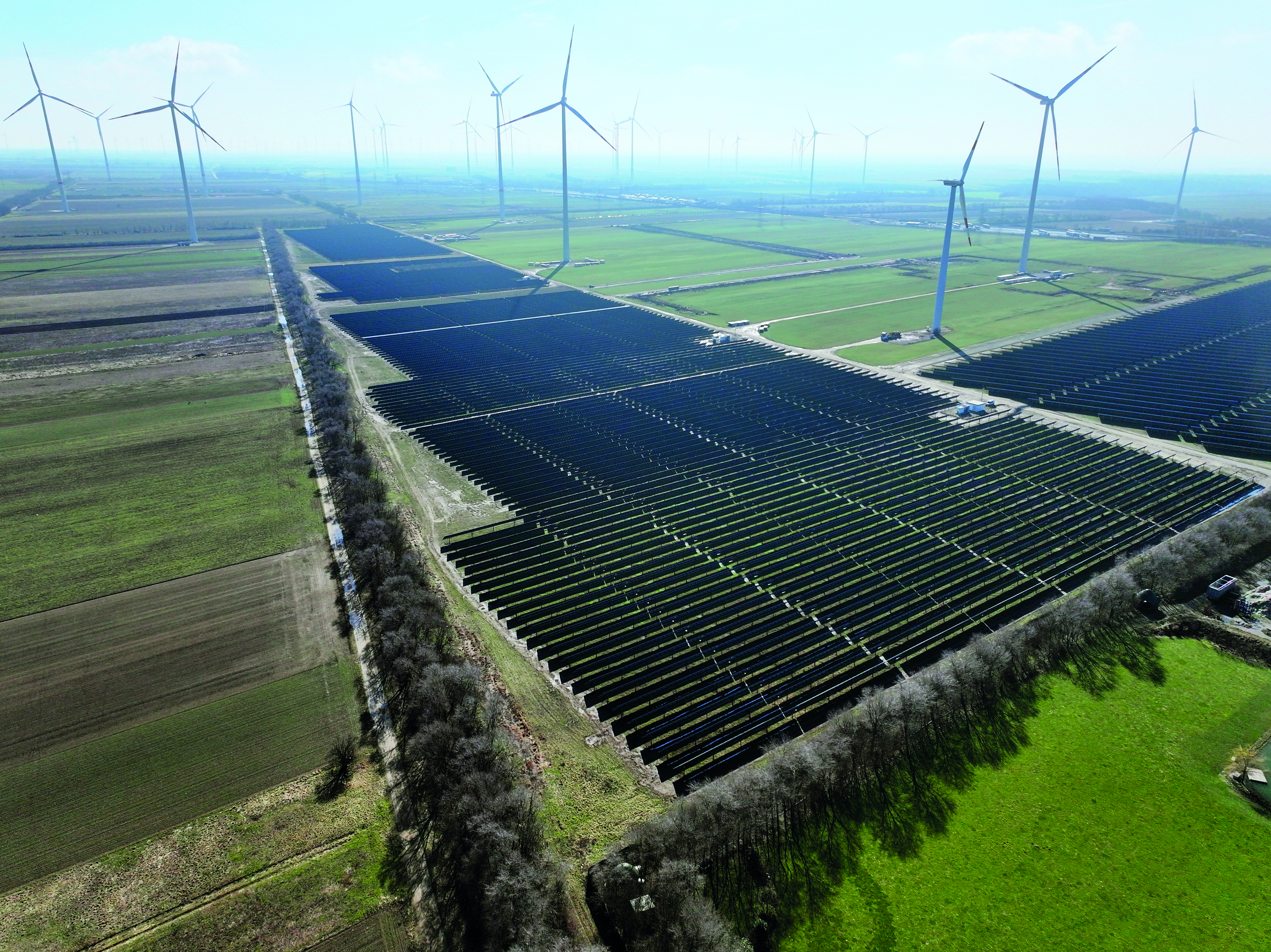
Over the past decade, UK solar capacity has grown from a niche contributor to a significant pillar of the national energy mix. Large solar farms now operate alongside offshore wind and nuclear as established generation assets. Rooftop installations across commercial and industrial estates add further capacity and geographic spread.
This growth has been accelerated by the UK’s legally binding net zero commitments. National targets have reshaped investor confidence and created long-term policy signals that renewable generation is not temporary, but essential.
Solar is no longer viewed as an emerging technology seeking validation; it is recognised infrastructure expected to deliver dependable output for 25 years or more. This shift in perception reflects a broader reality. Solar assets are increasingly treated like roads, rail or utilities: predictable and income-generating infrastructure designed for long-term stewardship.
Download full article