For many small and medium-sized businesses, investing in solar can feel overwhelming, if not entirely out of reach. The high upfront cost, the complexity of installation, and the prospect of ongoing maintenance can make the entire endeavor feel daunting.
A more recent concern has also emerged, particularly for businesses with high-growth aspirations: the fear of outgrowing their solar system and facing the complexities of expansion to keep pace with their success.
However, a shift in recent years toward scalable systems is altering the way businesses approach clean energy. The start small, scale smart approach allows companies to install a solar solution that meets their immediate needs and grow it in parallel with their operations. This is revolutionizing how small businesses interact with solar, enabling them to make strategic energy choices without the burden of a massive initial investment.
At the heart of this trend is modular technology. An expandable design means business owners can easily tweak their setup as their energy needs and finances change. Adding more panels, upgrading inverters, or boosting battery storage are all ways to create a future-proof energy solution.
How Does Solar Expansion Work?
The process is more straightforward than you might think. Modular solar systems are built with growth in mind, making expansion relatively simple and cost-effective.
- Start with your current needs. Begin with a system that makes sense for your business right now. A 10 kW or 20 kW solar setup is often a good starting point for a standard installation, depending on your buildings size and energy usage.
- Monitor your performance. As your operations grow, keep a close eye on your systems performance and your energy consumption. Regularly monitoring usage helps you spot when youre nearing capacity and can inform when its time for an upgrade.
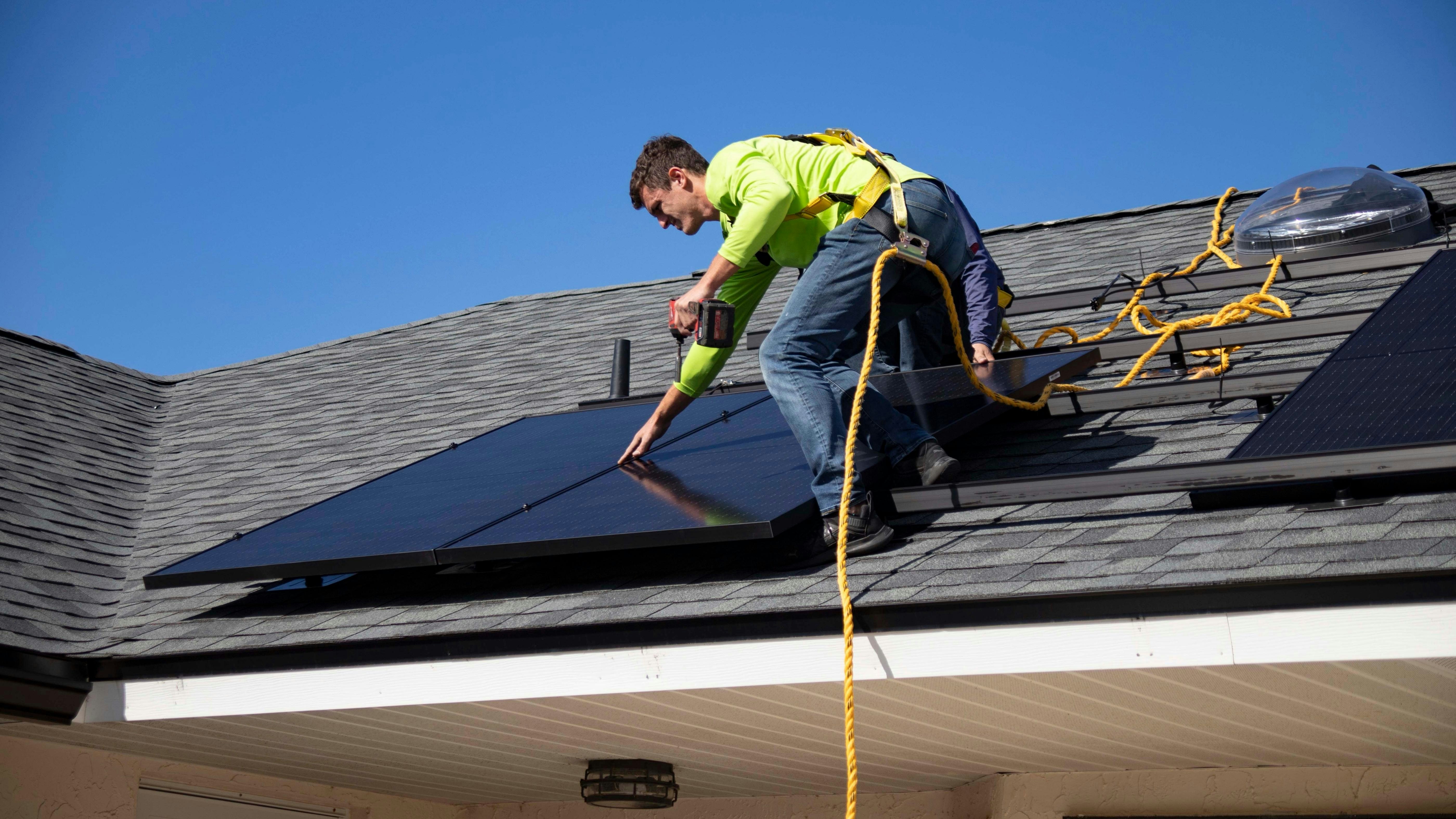
- Expand when ready. When you need more power, you can simply increase your panel count or add inverters to boost the systems output. In most cases, theres no need to redesign the entire setup.
- Add or increase storage. Adding battery storage is another smart step. If you havent installed batteries yet, it might be the right time to add them to store surplus power. If you already have storage, you can increase its capacity to balance energy use and increase your systems resilience.
The Growing Trend of Flexible Solar Systems
Small businesses are increasingly recognizing the need for energy options that can expand as they do. With volatile energy costs and a greater expectation for businesses to be eco-conscious, the ability to grow an energy setup without a complete overhaul is a major advantage.
According to the International Renewable Energy Agency (IRENA), access to renewable energy systems has become easier and cheaper, especially for small and medium-sized companies. This is largely due to falling technology costs and the rise of more modular solutions.
This shift stems from the realization that solar energy isnt just for large corporations anymore. As energy prices continue to climb, going solar helps smaller companies secure their energy future and improve their profit margins.
Solis's Approach: Understanding and Supporting Small Businesses
For many business owners, adopting solar is a complex journey. At Solis, the goal is to make solar energy as accessible and understandable as possible, regardless of the installation size.
This is where their Product Solutions Team comes in. Composed of in-country specialists across Europe, the team is dedicated to guiding customers through the initial learning process, helping them make informed decisions for today while planning for tomorrow.
Matthew McCrimmond, Product Solutions Specialist for the UK, explains: The Product Solutions Team plays a unique role in the market, focusing on supporting businesses and installers with any pre-sale requests. An aspect were beginning to focus on more and more is helping businesses plan for long-term solar adoption and scalability. We aim to create solar solutions that not only meet a businesss current energy needs but can also grow and adapt as those needs evolve.
A critical part of the teams role is ensuring every system complies with local regulations and grid standards, which can vary significantly across Europe. For example, in the UK, there are specific G100 and cybersecurity requirements, Matthew notes. Specialists in key European countries are well-versed in these details, ensuring that solar systems integrate smoothly into local grids as businesses grow.
By staying connected with installers and end-users, the team identifies new needs and continuously improves its offerings. Based on customer feedback, were making it easier to navigate inverter time charge settings in the software, says Matthew. Were also working on adding artificial intelligence to help optimise energy use, especially with dynamic tariffs like Octopus Agile.
Your Business's Energy Future
The path to solar energy adoption is now more accessible than ever for small businesses, with flexible and scalable options that wont break the bank. The future is one where companies can start small and grow their solar setup as they need to, rather than committing to a huge upfront investment.
With modular technology, customer-first support, and built-in flexibility, companies like Solis are making it simpler for businesses of all sizes to transition to clean, dependable energy and expand it as they grow.