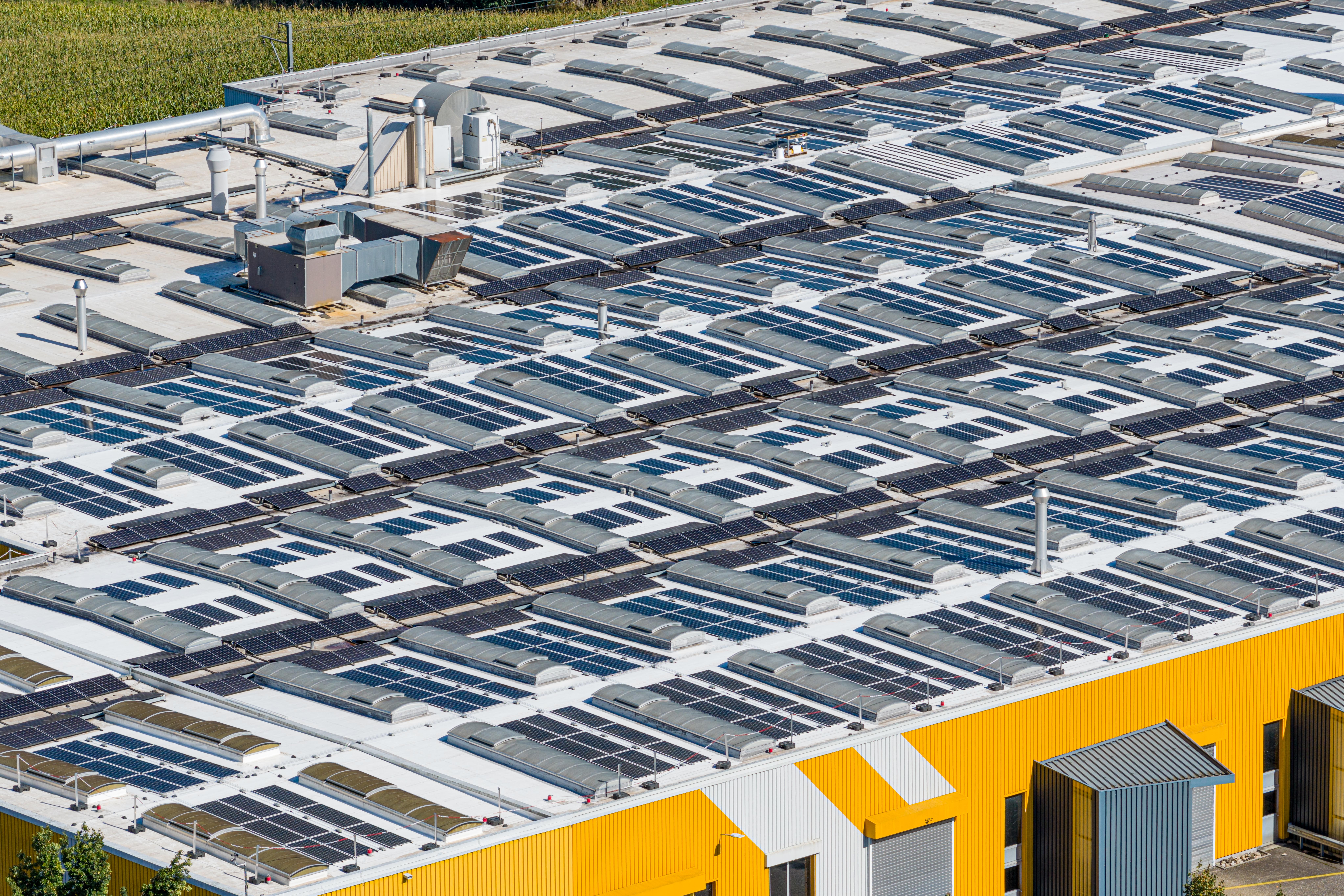
As solar assets age and performance expectations rise, remediation and repowering are emerging as critical strategies for extending project life and protecting financial returns. Industry experts from Everpoint Services, including Candace Wood, Tyler Goodell, James Timmins and David Grobe, highlight how complex solar recovery projects are assessed, planned and delivered.
These advanced workflows address systemic, site-wide structural and technical issues, making them increasingly favoured over conventional maintenance or full project rebuilds.
Understanding the operational shift from standard O&M to remediation
Solar remediation and repowering require a significantly greater level of labor, detailed planning and execution compared to standard operations and maintenance (O&M) or routine repair work. While traditional O&M activities generally focus on preventative maintenance and addressing isolated issues, remediation deals with broader, system-level challenges.
- Targeting systematic failures: Remediation focuses specifically on identifying and correcting widespread or recurring issues within an existing system, such as defective components, installation-related problems, or underperforming strings.
- Upgrading for return on investment: Repowering involves replacing older, degraded, or damaged components with modern, higher-efficiency technology to boost overall system performance and output.
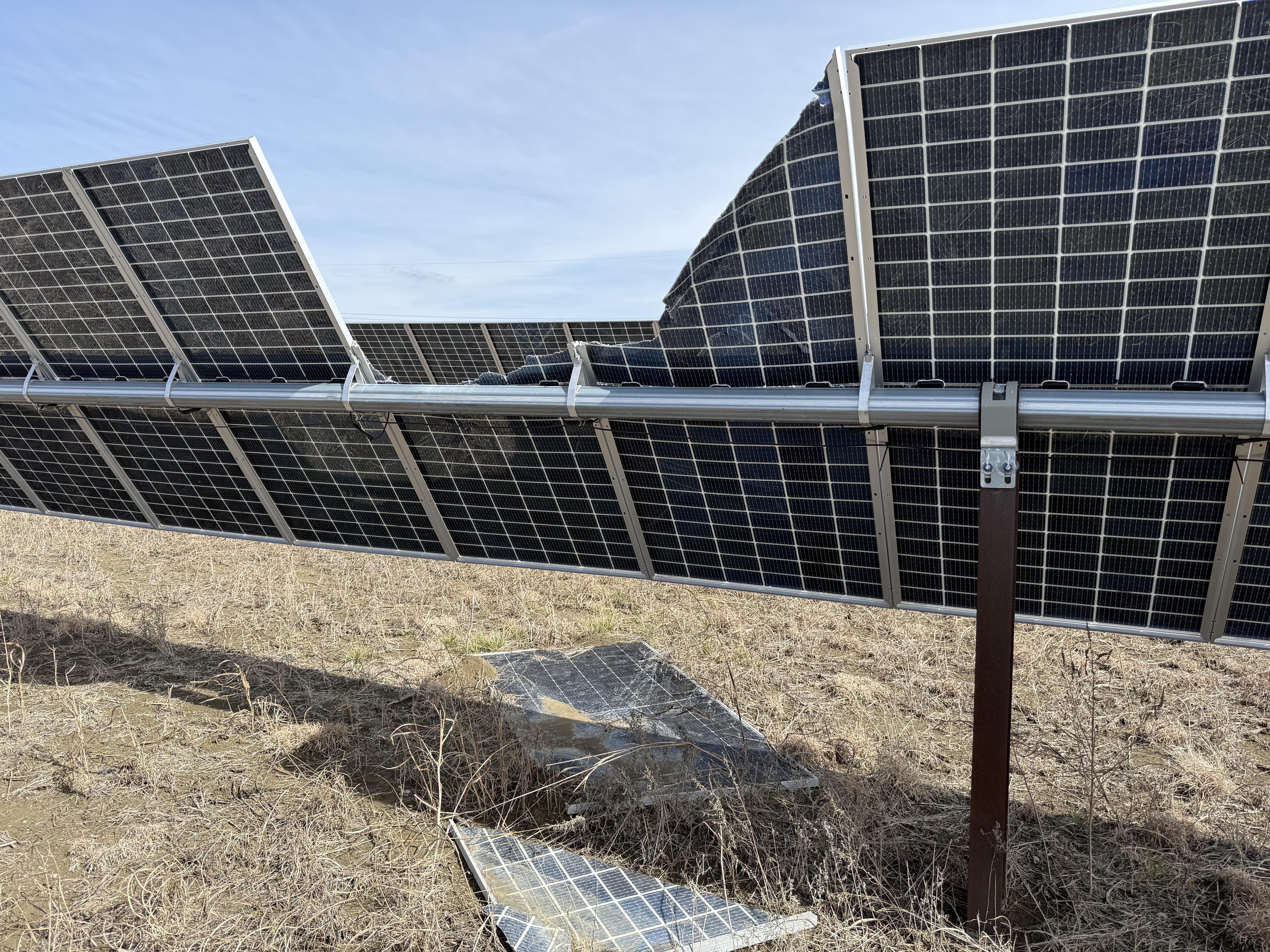
- Correcting hidden engineering defects: These comprehensive campaigns are typically triggered when widespread factory design flaws, repeating inverter failures, or severe weather damage, such as hail or storms, threaten the financial viability of the asset.
- Holistic asset evaluation: Instead of executing piecemeal part replacements, specialized recovery teams evaluate the entire electrical and mechanical value chain of the site to ensure the asset can operate reliably for another two decades.
Executing complex solar recovery and logistics mapping
The success of a large-scale remediation or repowering project depends heavily on advanced logistical planning and strict supply chain coordination. Managing heavy machinery alongside the inbound traffic of newly manufactured modules stands out as one of the most complex operational phases.
- Managing module inbound traffic: Field crews must carefully coordinate the unloading and sorting of thousands of panels; if the manufacturer's packaging does not align with the site's offloading equipment, it can create an immediate gridlock.
- Preventing downtime for electrical crews: Any bottleneck or delay in the laydown yard directly pushes back the schedules of downstream electrical teams, generating substantial and unnecessary project costs.
- The critical role of thermal imaging drones: Utilizing drones equipped with high-resolution thermal imaging cameras has become the single largest contributor to finding hidden technical defects across solar strings.
- Data-driven repair prioritisation: Thermal data allows engineers to pinpoint microscopic cell cracks, bad junction boxes, reversed polarities and failed strings, ensuring that repair efforts are focused precisely where they will yield the highest economic return.
Future trends in utility-scale repowering models
The solar remediation and repowering sector is projected to grow exponentially over the next five years as an increasing number of utility-scale sites approach the end of their initial warranty periods or experience biological efficiency declines. The development of novel costing architectures will soon unlock viability for sites that were previously uneconomical to refurbish.
- Emerging smart costing structures: Solar service providers are actively developing exciting new operational and costing models that make full-site rebuilding highly practical and financially attractive for asset owners.
- Sustainability through specialisation: As assets continue to age globally, the long-term relevance of clean energy service firms will depend directly on their ability to deliver profitable, high-yield remediation strategies to institutional investors.
How is your asset management team using thermal drone data to evaluate systemic string failures and plan targeted repowering campaigns? Share your thoughts in the comments below.
Looking for the full technical breakdown? To examine specific case studies on widespread component remediation and review specialised site recovery workflows, visit the official Everpoint Services website: https://pes.eu.com/exclusive-articles/inside-the-rise-of-solar-remediation-and-repowering