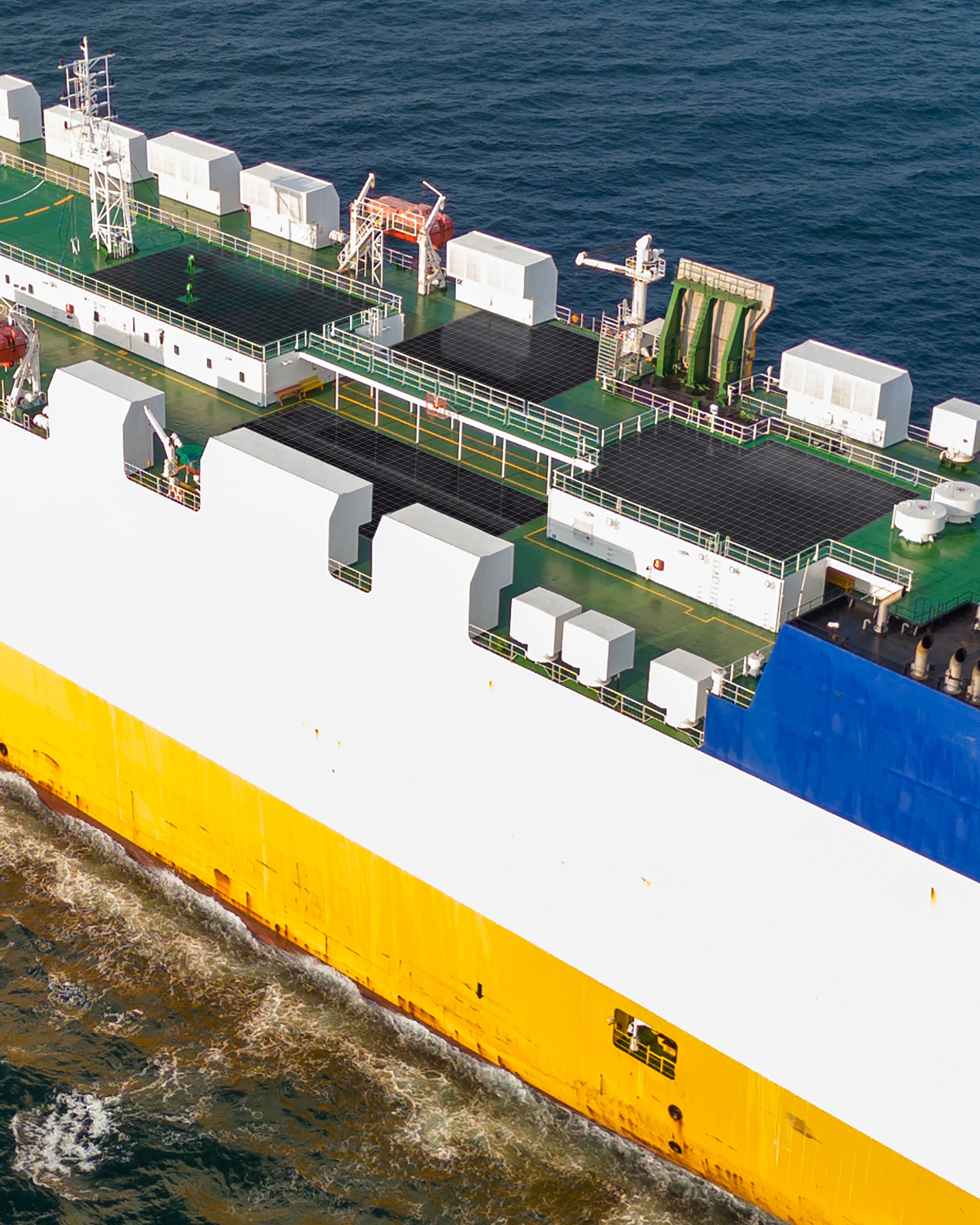
As one of the world's most challenging sectors to abate, shipping must transform the way it powers its fleets if it is to meet international climate goals. Over the past decade, maritime stakeholders have made significant strides in improving vessel efficiency, from optimizing hull design to refining engine performance and adopting energy-saving technologies. However, despite these gains, overall emissions have continued to rise because a growing global fleet and increasing trade volumes have outpaced the benefits of efficiency alone.
This reality is increasingly reflected in the regulatory landscape. The EU has taken a leading role by introducing measures such as the EU Emissions Trading System (EU ETS), which places a price on carbon emissions from shipping and FuelEU Maritime, which sets limits on the carbon intensity of the energy used onboard vessels.
Other governments, including the UK and international bodies like the International Maritime Organization (IMO) are moving in a similar direction toward achieving net-zero emissions in maritime by 2050. Joep Groot, COO at MarineSolar Energy Solutions (the trading name of Grafmarine), explains how modular solar technology can transform the vast unused surfaces of ships into active energy assets.
Technical advantages and high conversion efficiency of maritime solar
Solar power represents a highly accessible and practical way to reduce a vessel's overall energy demand, providing ships with a source of free green fuel at minimal operational expense after installation.
- Supplying clean electricity to onboard systems: While solar is not intended to replace main propulsion, it can supply clean electricity to a wide range of onboard systems, including navigation, accommodation, cargo handling, engine room operations and Wind Assisted Ship Propulsion (WASP) systems.
- Displacing auxiliary engine fuel consumption: By generating power directly onboard, solar reduces the load on auxiliary engines and generators, displacing energy that would otherwise be produced through conventional fuel consumption.
- High direct power generation efficiency: The system captures up to 25% of solar energy and delivers as much as 80% to 90% of that directly to the ship's electrical grid as three-phase AC electricity.
- Outperforming alternative e-fuels: Unlike emerging e-fuels such as hydrogen or ammonia, which must first be produced using renewable power, stored, transported and then reconverted to electricity, losing significant energy at each stage, direct solar generation avoids complex production chains. With conventional diesel generators operating below 50% efficiency, direct solar stands out as one of the most efficient pathways for decarbonization.
Verifiable emissions impact and intelligent fleet monitoring
One of the most critical advantages of marine solar solutions is the ability to measure and verify data with a high degree of accuracy to simplify the regulatory reporting burden.
- Generating clear and defensible data: Unlike other technologies where performance improvements may rely on modeling or estimated savings, solar systems generate clear, verifiable data on energy production and associated emissions reductions. This supports mechanisms such as Scope 3 insetting and commercial transparency between shipowners and charterers.
- Autonomous half-hourly data transmission: Test rigs fitted with intelligent automation tools autonomously collect and securely transmit performance data every 30 minutes. Once processed, this data is visualised through intuitive dashboards, maps and graphs to monitor energy production and battery conditions.
- Highly predictable generation forecasting: Solar output can be forecast accurately based on weather predictions and the vessel's operational schedule, enabling more precise voyage optimisation and fuel consumption planning.
- Real-time preventive maintenance diagnostics: Continuous remote monitoring highlights maintenance needs in real time, such as identifying broken or dirty panels, ensuring the system operates at peak efficiency.
Securing investments and supporting long-term system evolution
Modern marine solar systems are specifically engineered to withstand harsh ocean environments, including constant motion and salt exposure, while keeping pace with future technological advancements.
- Future-proof upgradeable modular architecture: Because solar technology for maritime applications is still evolving, systems are designed to be easily upgradeable. This allows vessels to cleanly swap in higher-efficiency panels as they become available without requiring a complete system replacement.
- Commitment to a circular economy: Older operational materials removed during system updates can be responsibly recycled or repurposed, reducing environmental impact and maximising long-term financial returns.
- Immediate deployment with zero infrastructure delays: Solar technology is not a distant or experimental prospect; it can be deployed today on existing fleets without waiting for new alternative fuel infrastructure to mature, fitting perfectly alongside batteries, air-lubrication, or e-fuels.
How is your fleet management team using modular solar arrays and verifiable power data to improve your Carbon Intensity Indicator (CII) scores and comply with FuelEU Maritime rules? Share your thoughts in the comments below.
Looking for the full technical breakdown? To review marine engineering specifications and explore fuel-saving performance metrics, visit the official Grafmarine platform at grafmarine.com: https://pes.eu.com/exclusive-articles/solar-solutions-for-a-sustainable-maritime-sector