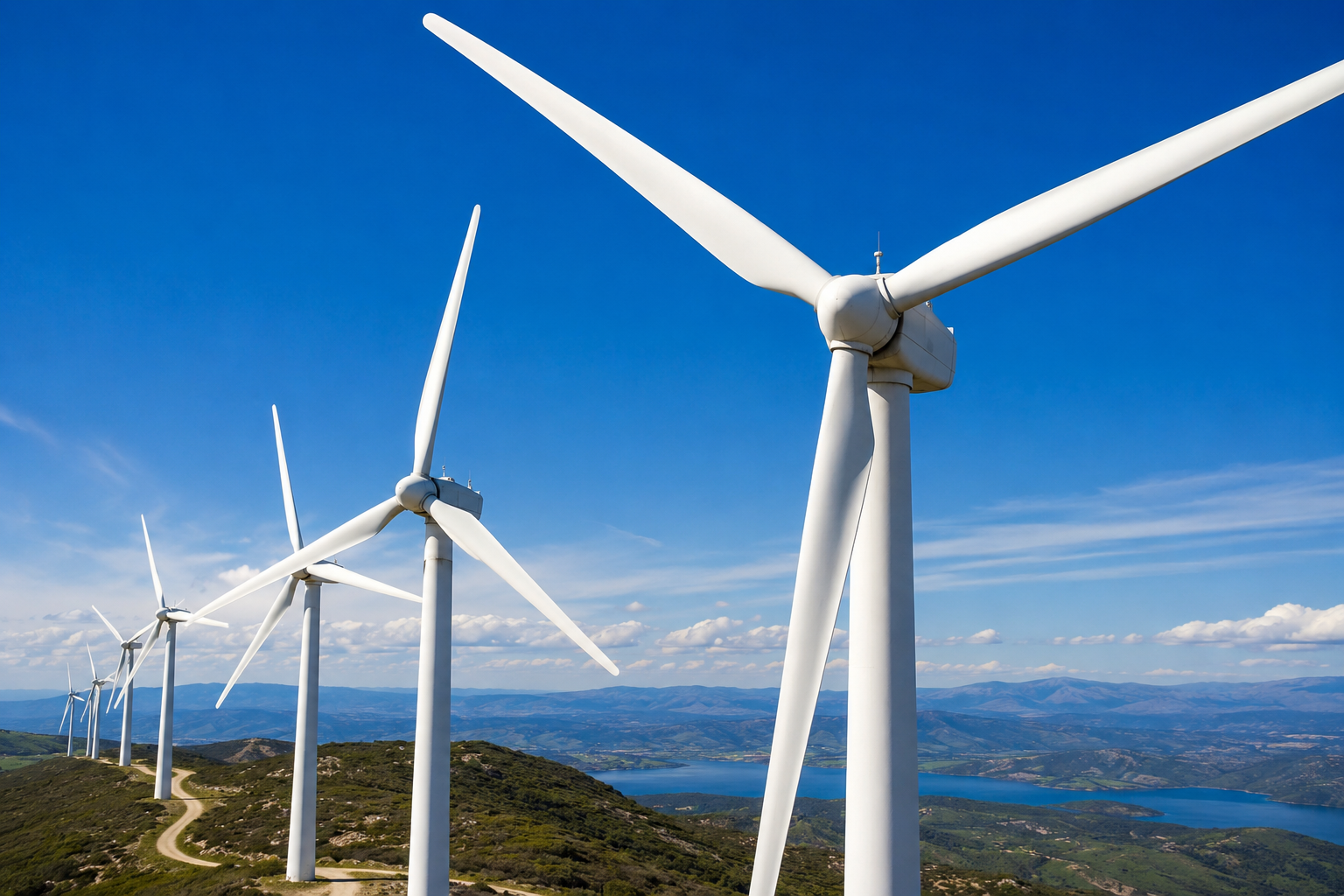
As wind turbines become larger and more complex, operators face growing pressure to maximise uptime, control maintenance costs and maintain high safety standards. For Heamar, connected tooling and digital traceability are becoming increasingly important parts of that process.
Modern industrial tools can do more than complete mechanical tasks. Digitally enabled systems can capture operational information during maintenance, providing operators with a clearer record of how work was carried out and helping to improve consistency across onshore and offshore wind assets.
Building traceability into maintenance
Traceability provides a verifiable digital record of critical maintenance activities. Instead of relying solely on paperwork, technician sign-offs and separate inspection records, connected tools can automatically capture information such as:
- Torque values and fastening sequences
- Tool calibration status
- Operator identification
- Time, date and turbine location
- Usage history and maintenance intervals
- Surface preparation data
This information can help operators demonstrate that approved procedures were followed and that equipment was correctly calibrated when work was completed.
The implications extend beyond compliance. Digital records can support warranty claims, simplify audits and provide useful evidence during root cause analysis if a component subsequently fails.
Improving fastening consistency
Torque management is particularly important in wind turbine maintenance. Tower flanges, blade bearings, nacelle assemblies and drivetrain components all depend on accurate fastening.
Digital torque systems can capture and store fastening data in real time, giving technicians immediate confirmation that target values have been achieved. Across large wind farms, where multiple teams may work on hundreds of turbines, this can help standardise maintenance procedures.
Potential benefits include:
- Reduced human error
- More consistent fastening
- Faster quality assurance
- Automatic documentation
- Simpler compliance checks
Some systems can also connect tooling records with work orders, turbine serial numbers and asset histories, making fastening information part of the turbine’s long-term maintenance record.
Connected tools in demanding environments
Wind technicians regularly work at height, in confined spaces and in harsh offshore conditions. Connected tooling can provide information about tool utilisation, battery health, calibration requirements, wear and servicing schedules.
This allows maintenance managers to identify equipment that may require attention before it fails during a critical operation. It can also improve inventory management by showing where tools are being used and whether they are operating within approved parameters.
For offshore projects, where an unsuccessful maintenance visit can involve considerable vessel, personnel and logistics costs, avoiding equipment-related delays can be particularly valuable.
Extending traceability to blade repair
Traceability is not limited to fastening. Blade erosion, lightning strikes, leading-edge damage and composite fatigue all require carefully controlled repair processes.
Surface preparation is a critical part of repair quality. Advanced sanding and dust extraction systems can record information including usage, maintenance intervals, preparation consistency and extraction performance.
For blade teams, this creates evidence that approved preparation methods were followed. Dust-free sanding systems can also improve working conditions during confined-space and rope access operations.
Connecting tools with turbine data
Modern wind farms already produce large volumes of information through supervisory control and data acquisition (SCADA) systems, condition monitoring systems (CMS) and predictive analytics platforms. Smart tooling adds data directly related to maintenance execution.
Tooling information can be integrated with:
- Computerised maintenance management systems (CMMS)
- Enterprise asset management platforms
- Digital work instructions
- Predictive maintenance and inspection systems
- Quality assurance platforms
This allows operators to record not simply that maintenance occurred, but how it was completed. Over time, that information can help identify effective procedures, refine maintenance intervals and support long-term reliability.
The technology is intended to support technicians rather than replace them. Digital guidance, automatic records and immediate feedback can reduce administrative work while helping experienced and newer technicians follow consistent procedures.
As wind assets become more complex, Heamar argues that traceability will move from being a competitive advantage to a standard maintenance expectation. Operators, original equipment manufacturers (OEMs), insurers and regulators will increasingly want evidence that work was completed correctly, consistently and with calibrated equipment.
The future of wind maintenance will therefore depend not only on smarter turbines, but on smarter tools and better maintenance data.
Read the full Industrial Insight feature on connected tooling, digital traceability and improving wind turbine maintenance in PES Wind: https://pes.eu.com/exclusive-articles/smart-tooling-and-traceability-driving-the-future-of-wind-turbine-maintenance