Geopolitical tensions are increasing the risks surrounding offshore wind development. Fuel price volatility, supply disruption and changing shipping routes can affect vessel operations, schedules and project budgets.
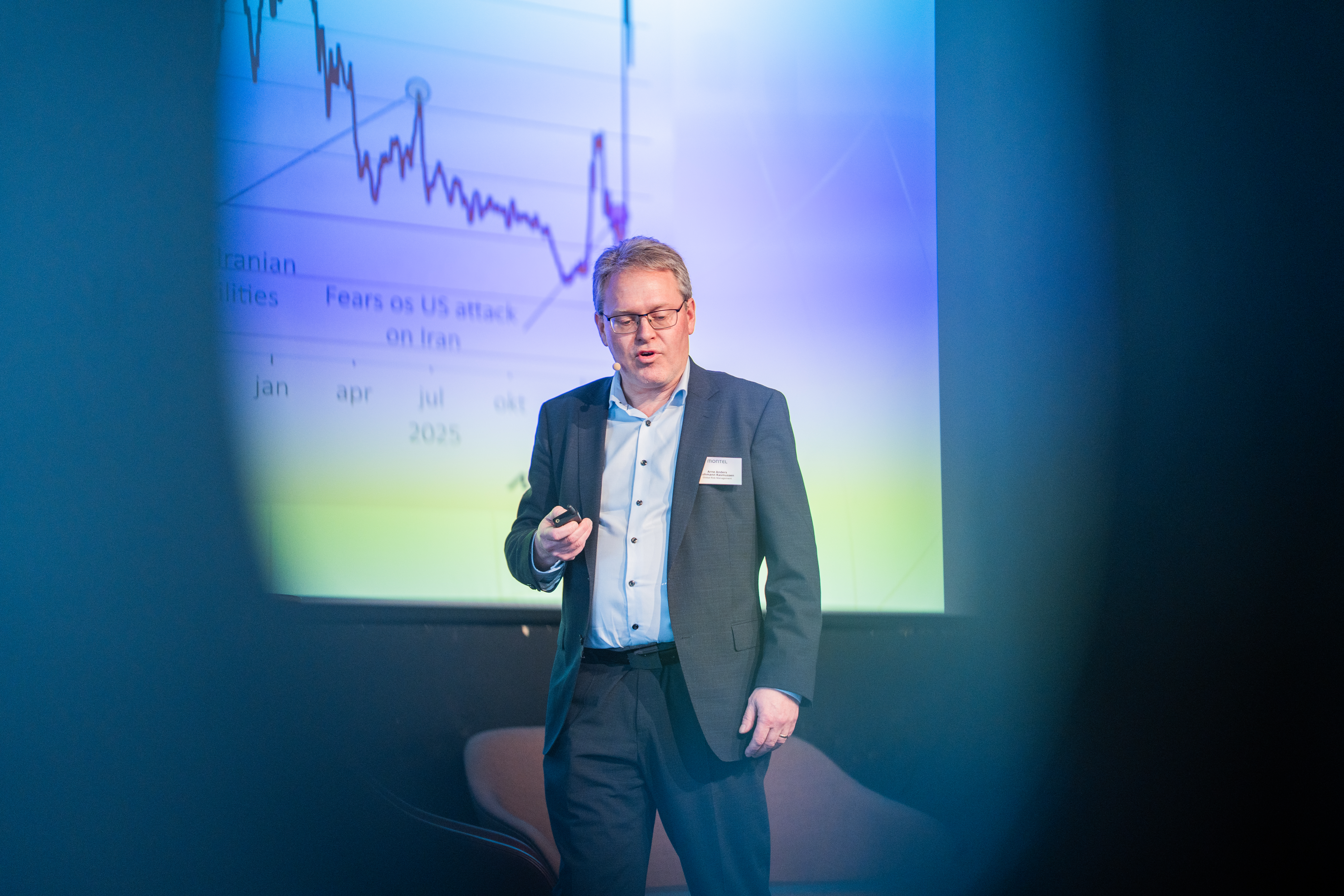
Nicolaj Splidt Jakobsen, Head of Offshore at Dan-Bunkering, and Arne Lohmann Rasmussen, Chief Analyst and Head of Research at Global Risk Management, argue that developers should consider fuel availability and price exposure well before offshore installation begins.
When fuel volatility reaches offshore wind
A significant share of global oil and liquefied natural gas (LNG) passes through the Strait of Hormuz. Disruption can therefore create sudden supply shocks with consequences far beyond the region.
For offshore wind, refined fuels such as marine gasoil and diesel are particularly important because they are used directly by installation and support vessels.
Rasmussen says these products have experienced price increases of up to 20 to 25% within short periods during peak escalation. Jakobsen adds that prices in some regions have risen as much as threefold compared with previous benchmarks used for project fuel budgets.
This creates a direct risk to project profit and loss when fuel costs have not been secured in advance.
Balancing price and availability
Waiting for fuel prices to fall can create another problem: availability. If marine gasoil cannot be secured when required, vessel operations could be delayed.
Different parties also have different priorities:
- Subcontractors need fuel to maintain operations and meet milestones
- Vessel operators need to avoid delays and off-hire periods
- Developers and owners need to control overall project expenditure
- Suppliers must manage commodity and credit exposure
Jakobsen believes greater transparency during contract negotiations could help align these interests.
Planning for disruption
Contingency planning is becoming increasingly important. Weather, technical problems, geopolitical events and supply chain disruption can all change an offshore installation schedule.
Jakobsen recommends entering projects with alternative fuel supply arrangements already considered. If the primary option becomes unavailable, another route can be activated without stopping operations.
Fuel planning can begin when vessel contracts and fuel clauses are negotiated and continue during project execution.
Dan-Bunkering also advocates closer coordination between fuel supply, vessel schedules and port calls. Through its cooperation with Clarksons Port Services, this can extend to agency services, freight forwarding, stevedoring and warehousing.
Protecting project economics
Rasmussen argues that fuel risk cannot be considered in isolation because LNG, refining, oil and shipping markets are interconnected. A disruption in one area can quickly affect price and availability elsewhere.
Forward pricing is one way of managing that exposure. A fixed forward price remains constant while the market moves above and below it. This does not remove every risk, but it can provide greater budget certainty.
The interviewees identify several considerations:
- Fuel supply security
- Price hedging
- Alternative supply options
- Creditworthy counterparties
- Vessel and port logistics
- Contractual allocation of fuel risk
Regulation adds another consideration. Jakobsen highlights the EU Emissions Trading System (EU ETS) and UK Emissions Trading Scheme (UK ETS), which he says will affect offshore projects from 2027 onwards.
Managing what can be controlled
Not every geopolitical risk can be hedged or insured. Rasmussen argues that operators should therefore concentrate on risks they can manage effectively.
That means securing supply and pricing where appropriate, working with financially reliable counterparties and understanding how fuel market movements affect project budgets.
For offshore wind developers, fuel is therefore more than a vessel operating expense. In volatile markets, its price, availability and contractual treatment can directly influence whether a project remains on schedule and within budget.
Read the full interview with Dan-Bunkering and Global Risk Management on fuel supply, price volatility and offshore wind project risk in PES Wind: https://pes.eu.com/exclusive-articles/from-fuel-supply-to-project-profit-and-loss








-1.jpg)