As our digital ecosystem faces mounting pressure to decarbonise and increase energy efficiency, the spotlight is intensifying on the resilience and intelligence of critical power infrastructure. With highly ambitious net zero commitments now firmly on the agenda, the success or failure of sustainability strategies could hinge on how energy is managed, not just produced.
Whether it’s data centres, pharmaceuticals, chemicals, water treatment, or food and beverage processing, these energy-intensive sectors require uninterrupted power to maintain throughput, ensure safety, and comply with regulations.
But can these same industries afford to stick with traditional energy systems while simultaneously trying to shrink their carbon footprints?
This article examines how smarter, more resilient power infrastructure can enable organisations in energy-intensive industries—primarily data centres—to accelerate decarbonisation, enhance operational efficiency, and prepare for a more flexible, data-driven energy future.
From Energy Consumers to Energy Strategists
Historically, energy infrastructure has been treated as a fixed cost and static necessity. As long as the power was flowing, its configuration wasn't often scrutinised, unless something failed. But today’s landscape has fundamentally evolved.
Modern power systems are becoming dynamic assets capable of contributing to sustainability goals, enabling real-time energy optimisation, and supporting resilience amid grid volatility. Data centre operators are transitioning from passive energy consumers to active energy strategists.
This shift is especially critical as the UK grid undergoes rapid decarbonisation, phasing out coal, reducing reliance on gas, and integrating more renewables. While this progress is welcome, it also introduces intermittency and complexity. Grid events, from voltage dips to outages, can now happen more frequently, putting sensitive process operations at risk.
Smart power infrastructure, particularly systems that combine real-time monitoring, advanced analytics, and adaptive load balancing, offers a way to counter these challenges while also unlocking carbon and cost savings.
Microgrids, Monitoring, and the Case for Modular Power
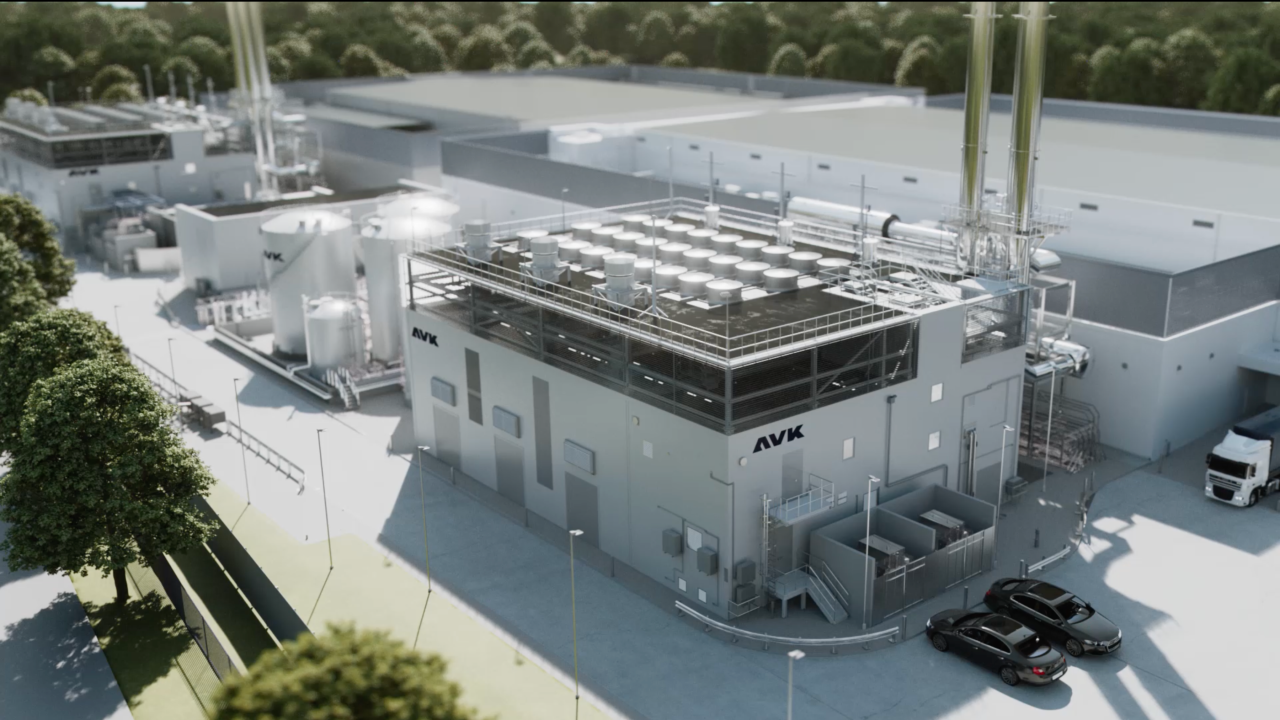
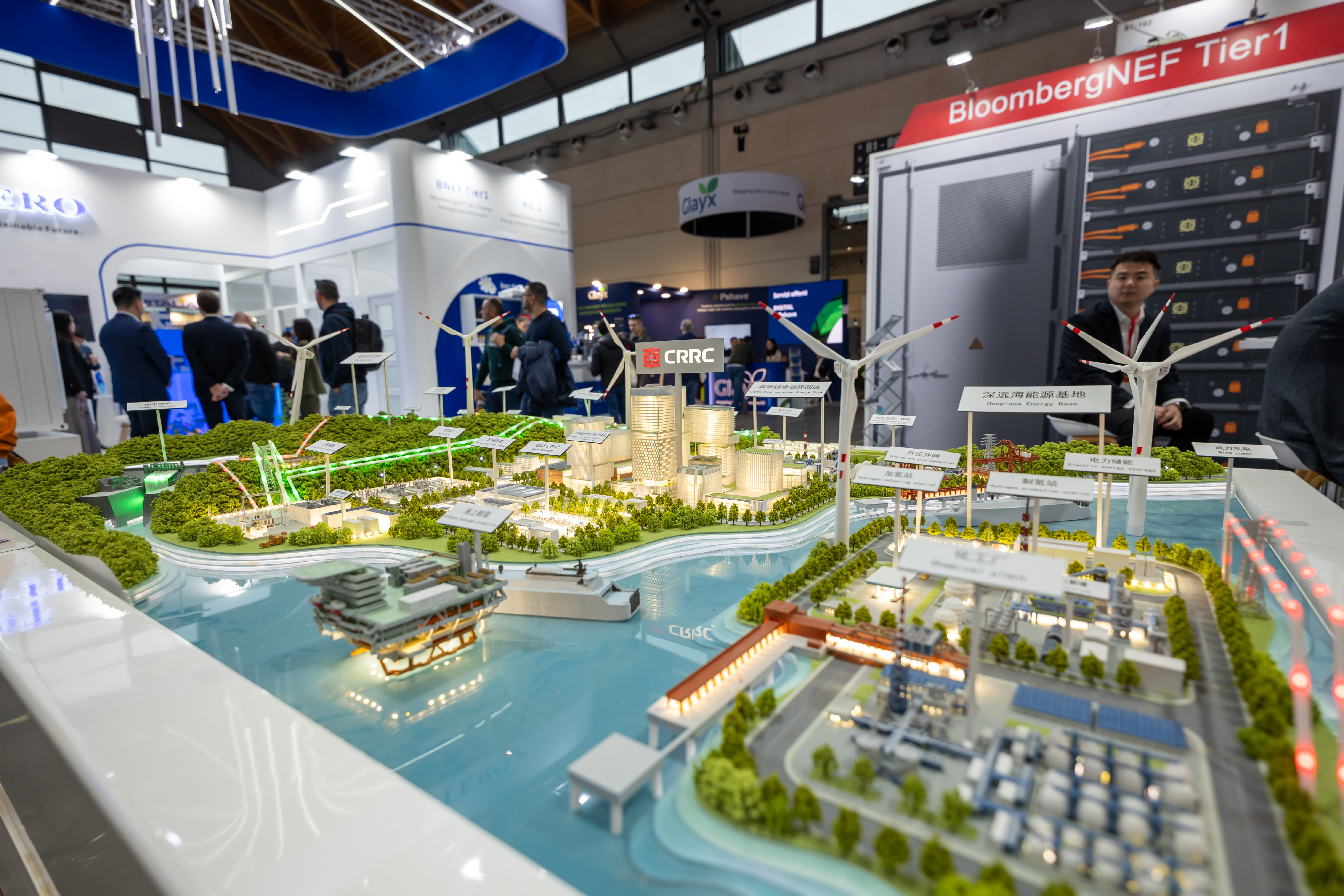
One of the most promising developments for high-demand data centre facilities is the rise of modular, decentralised energy systems, including microgrids. These can incorporate renewables such as solar or wind, battery storage, and low-emission backup fuels like hydrotreated vegetable oil (HVO) or hydrogen-ready generators.
The key benefits here are primarily dual: resilience and sustainability.
- Risk Mitigation: By generating and managing power on-site, data centre operators can mitigate risks associated with grid constraints while also reducing emissions.
- Operational Flexibility: A microgrid operating in 'island mode' can power critical systems during blackouts, while under normal conditions, smart controls can optimise energy draw based on carbon intensity or cost signals from the grid.
- Scalability: The modular nature of such systems makes them adaptable to future requirements. Facilities can scale or update components without a wholesale overhaul, which is especially useful in energy-intensive sectors where change often comes incrementally and under tight ROI scrutiny.
Furthermore, these systems are increasingly integrated with intelligent monitoring platforms. With live data on power loads, equipment performance, and environmental impact, energy management becomes proactive rather than reactive. Predictive analytics can flag inefficiencies or pre-empt failure, helping engineers prioritise upgrades that deliver measurable gains.
Low-Carbon Fuels: The Road to Emissions Reductions
Traditionally, diesel generators have been the default for emergency power. While reliable, they contribute significantly to Scope 1 emissions and often fail to meet today's environmental benchmarks.
Newer fuels such as HVO, a renewable diesel made from waste vegetable fats and oils, can offer up to 90% reduction in lifecycle CO₂ emissions compared to traditional fossil diesel, with no compromise on performance. It is a plug-and-play solution that requires minimal retrofit of existing assets. For facilities with legacy generator fleets, this can represent a significant and fast-tracked sustainability win.
In parallel, interest is rising in hydrogen as a longer-term solution, particularly as availability and storage technologies mature. Some new-generation backup systems are already being built hydrogen-ready, giving industry leaders the option to future-proof their investment against emerging green fuel regulations.
Designing Infrastructure with a Net Zero Mindset
Despite the technical solutions now available, a large proportion of industrial facilities still treat backup power and grid integration as afterthoughts. Yet, in the context of rising energy prices, regulatory scrutiny, and decarbonisation targets, energy infrastructure must be part of the core operational strategy, not simply a compliance checkbox exercise.
A net zero mindset demands a reassessment of key legacy assumptions:
- Is the existing power infrastructure fit for future electrification advancements?
- Can it support the adoption of heat pumps, electric boilers, or other low-carbon technologies?
- Is it agile enough to respond to dynamic pricing or grid decarbonisation signals?
Designing with flexibility, resilience, and sustainability from the outset—whether in new builds or retrofit projects—is key to meeting these challenges head-on. Procurement, operations, and sustainability teams must collaborate to define what 'future-ready' power infrastructure looks like in their specific context.
The Business Case for Smarter Power
Beyond environmental performance, there is a compelling financial case for smarter power infrastructure in energy-intensive industries. Energy costs are among the most volatile and high-impact line items for manufacturers. Intelligent load management, power factor correction, and real-time monitoring can significantly reduce wastage and lower operational expenditure.
Similarly, the reputational benefits of low-carbon operations are increasingly translating into a competitive advantage, particularly for suppliers in regulated sectors or those subject to ESG disclosure requirements.
There is also the challenge of resilience. With the UK reporting more frequent grid constraint events, power security is no longer just a technical concern; it is a genuine business continuity issue. Downtime can be catastrophic in terms of product loss, safety, and cost.
Innovative power infrastructure provides process organisations with the tools to avoid these pitfalls while advancing toward sustainability targets. As energy becomes a strategic differentiator, it is those who embrace this shift early who will be best positioned to thrive in a carbon-conscious world.











(1)_wide-1.png)