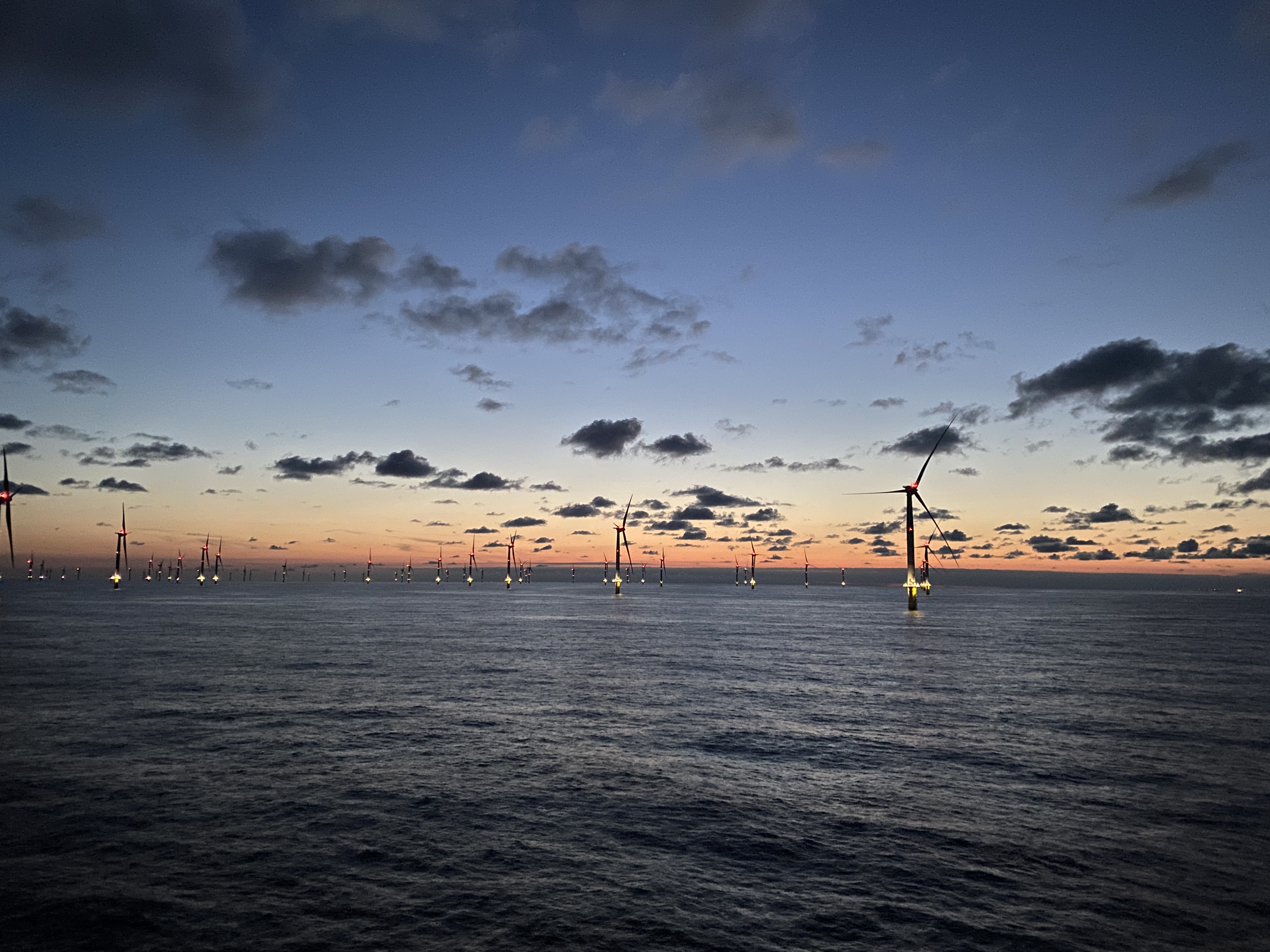
The global wind energy industry was born in Denmark and matured across Europe, China and the United States. However, as fleets expand into remote environments with unique climate profiles, the traditional full-service asset management models are beginning to crack under the weight of their own assumptions.
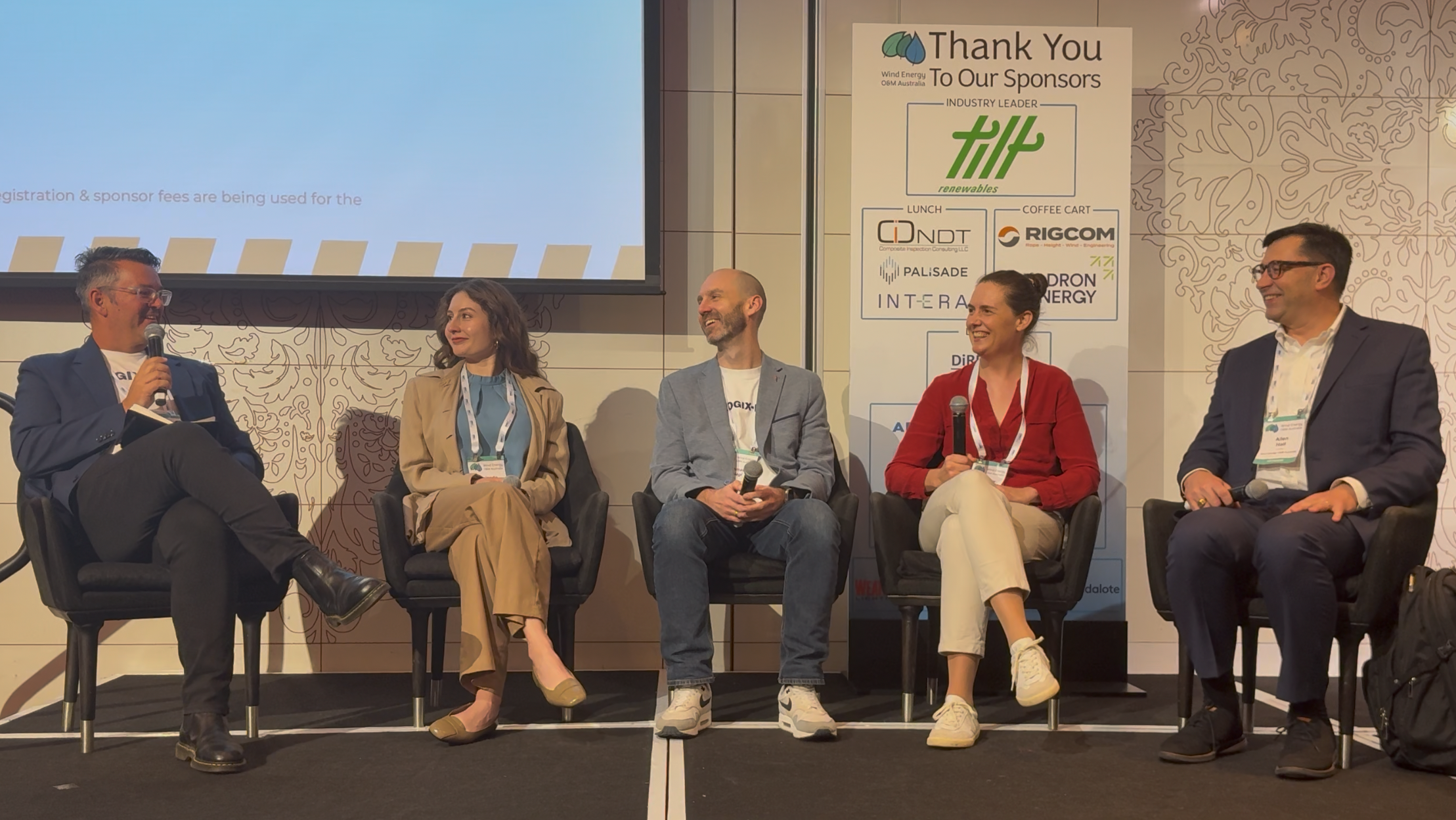
At the second annual Wind Energy O&M Australia (WOMA) conference in Melbourne, organized by Weather Guard Lightning Tech, EOLOGIX-PING and Pardalote Consulting, over 200 operators, engineers and asset managers gathered to outline a new blueprint for wind self-reliance. Facing massive geographical scales and limited regional infrastructure, the Australian market is shifting from reactive fixes to an independent, data-driven operational culture.
Overcoming the tyranny of distance with lean teams
The defining characteristic of the Australian wind market is its immense geographical spread combined with a highly constrained technical infrastructure. Unlike European wind clusters, where service technicians and replacement parts are often located just a short drive away, Australian wind farms are highly isolated.
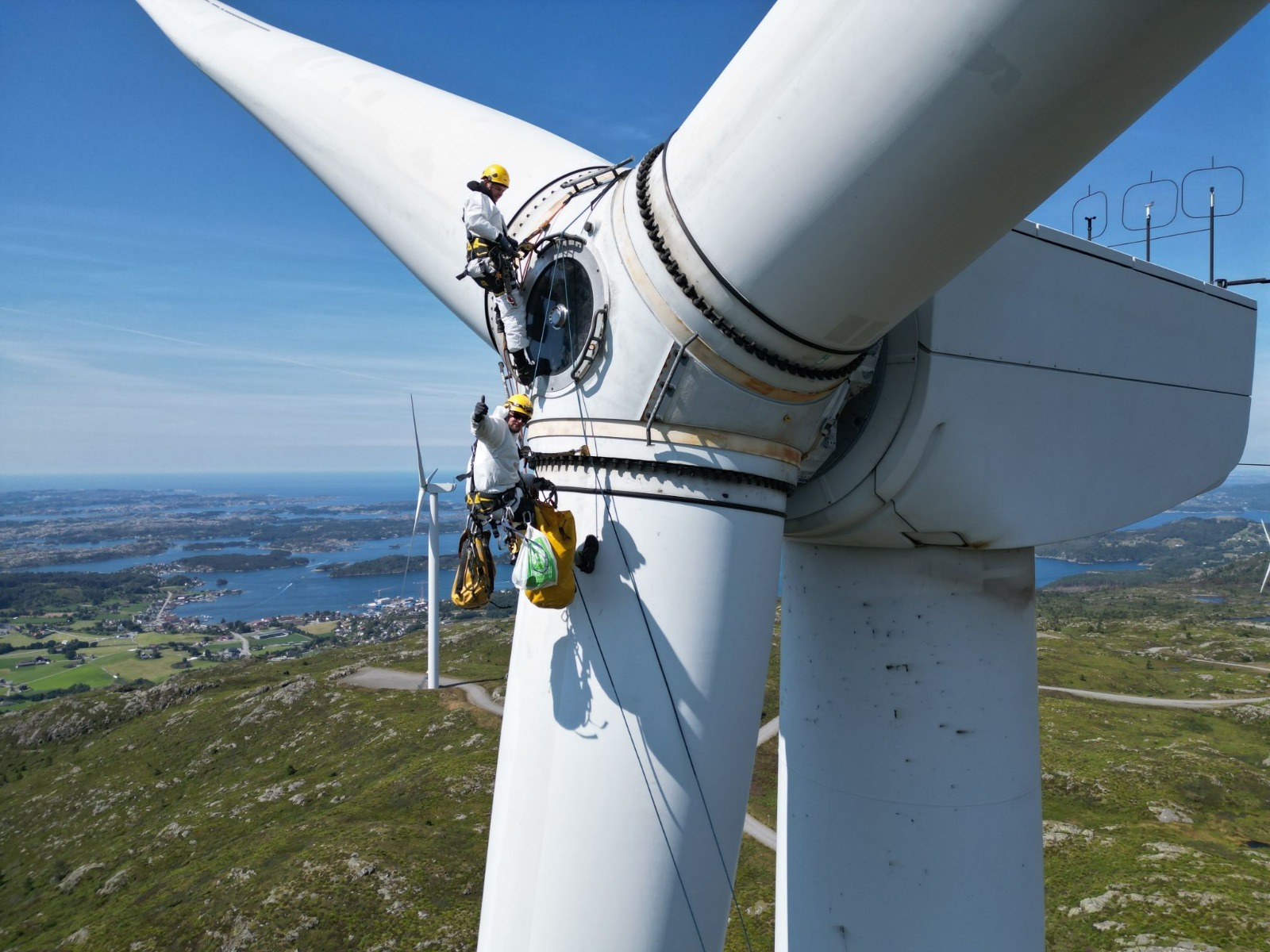
To keep these remote fleets running efficiently, site owners cannot rely on a constant influx of external support. Instead, they utilize lean, multi-talented internal teams capable of managing complex mechanical, electrical and structural issues independently. This operational landscape forces asset managers to move past the traditional, comfortable arrangement of full-service OEM agreements. Because waiting days for an external contractor to mobilize costs hundreds of thousands of dollars in lost generation, true profitability relies on building deep local capability and taking immediate ownership of the maintenance cycle.
Site-specific strategies for radical environmental stress
Australian operators are discovering that operational strategies designed for the North Sea or continental Europe frequently fail under the intense localized conditions of the Southern Hemisphere. Protecting turbine integrity requires custom, site-specific solutions tailored to a harsh climate:
- Extreme UV and sun exposure: Intense solar radiation accelerates the degradation of composite materials, requiring specialized surface coatings that can withstand decades of UV baking.
- Dust and air particulates: High atmospheric dust loads act as a constant abrasive force on rotating components, accelerating mechanical wear.
- Insect contamination: Severe seasonal insect impacts alter blade aerodynamics, increasing drag and degrading power performance in ways rarely seen in northern latitudes.
- High-intensity rain erosion: Relentless, high-energy downpours generate distinct leading-edge erosion (LEE) patterns. Standard Leading-Edge Protection (LEP) upgrade strategies designed for European climates simply do not hold up under the Australian sun, forcing local teams to pioneer unique material application standards.
The blueprint for self-reliance
The overarching takeaway from the WOMA conference is that the Australian market is no longer looking to catch up with global best practices; it is actively building its own [cite: 24). Driven by brutal honesty, collaborative data sharing and a shared appetite for absolute self-reliance, operators are transparently pooling their field insights to solve systemic reliability challenges.
By blending advanced edge-monitoring sensors with highly agile, cross-trained technical crews, this unique market is demonstrating how to keep multi-megawatt fleets running optimally with minimal external dependence. As asset sizes scale globally and supply chains face ongoing inflation, the rest of the wind energy world would be wise to study the lean, self-reliant methods being forged under the demanding Australian sun.
How is your asset management team adapting its O&M strategies to handle unique regional weather stresses and reduce dependence on full-service OEM contracts? Share your thoughts in the comments below.
Looking to review the definitive operational takeaways from Melbourne? To explore the upcoming 2027 conference schedule and connect with regional O&M innovators, visit the official Weather Guard Lightning Tech or WOMA platform: https://pes.eu.com/exclusive-articles/what-australia-can-teach-the-world-about-wind