Exclusive Articles

Making a sustainable path to sustainability


Published in: Solar, Digital Blog


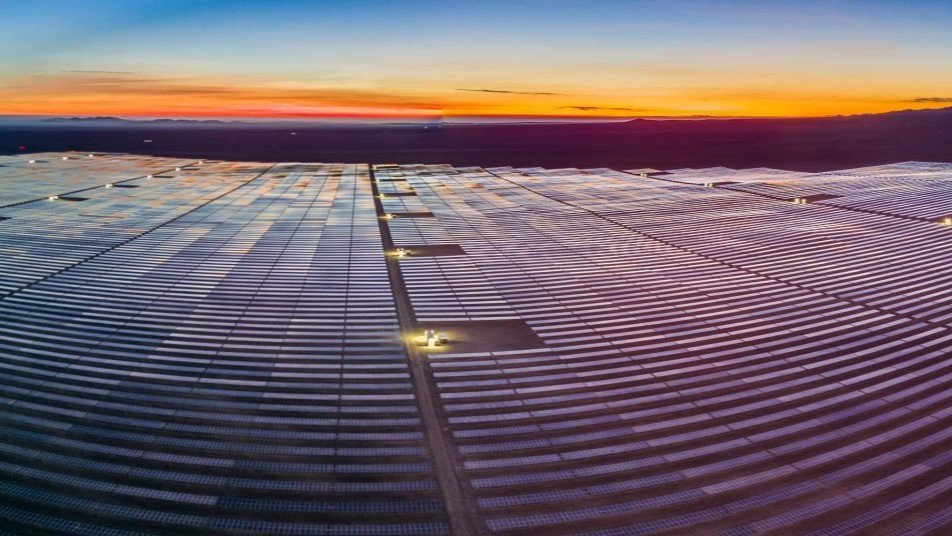
Making a sustainable path to sustainability image

Building a Truly Sustainable Solar Future

While renewable energy growth is vital for combating climate change, its implementation must align with rigorous sustainability and transparency standards. GCL’s Marisa González Berrocal emphasizes that sustainability must encompass not just clean energy output, but also ethical manufacturing, biodiversity protection, and carbon traceability throughout the solar value chain.

Why True Sustainability Matters

The rush to meet global renewable energy targets—like tripling capacity by 2030—raises concerns about whether the methods used are themselves sustainable. Core challenges include:

• Incomplete carbon transparency due to fragmented solar module supply chains.

• Risk of inaccurate emissions data when manufacturers rely on third-party inputs.

• Environmental degradation and potential human rights violations in production processes.

Traceability and Ethical Production

Initiatives like the Solar Stewardship Initiative (SSI) aim to ensure ethical and transparent solar manufacturing. Their efforts include:

• The SSI Traceability Standard to track materials from raw source to end-user.

• ESG standards assessing governance, environmental impact, and labor rights.

• Promoting human rights, equity, and justice across the solar transition.

Low-Carbon Innovation and Certifications

To meet investor and regulator expectations, manufacturers are adopting:

• FBR (Fluidized Bed Reactor) technology to cut silicon production energy use in half.

• Compliance with ISO certifications and CRE carbon footprint standards.

• Strategic alignment with the UN’s 17 Sustainability Development Goals.

Biodiversity and Land Use Innovation

Solar projects increasingly incorporate environmental sensitivity into design and deployment. Innovations include:

• Floating solar arrays to reduce land-use conflicts.

• Agrivoltaics systems that combine agriculture and PV to conserve water and land.

• Installation designs tailored to support local ecosystems.

The Road Ahead

With policies and financing now tightly linked to environmental metrics, the solar sector must embed sustainability into every step of its value chain. Only by doing so can the industry ensure that its path to carbon neutrality is as green and responsible as its end goal.

Read the full article here: https://pes.eu.com/exclusive-article/making-a-sustainable-path-to-sustainability/