The expansion of offshore wind is a cornerstone of the global clean energy transition, unlocking immense generating capacity from powerful marine winds. However, the process of driving massive turbine foundations into the seabed generates intense underwater noise that can severely disrupt sensitive marine ecosystems and protected marine mammals.
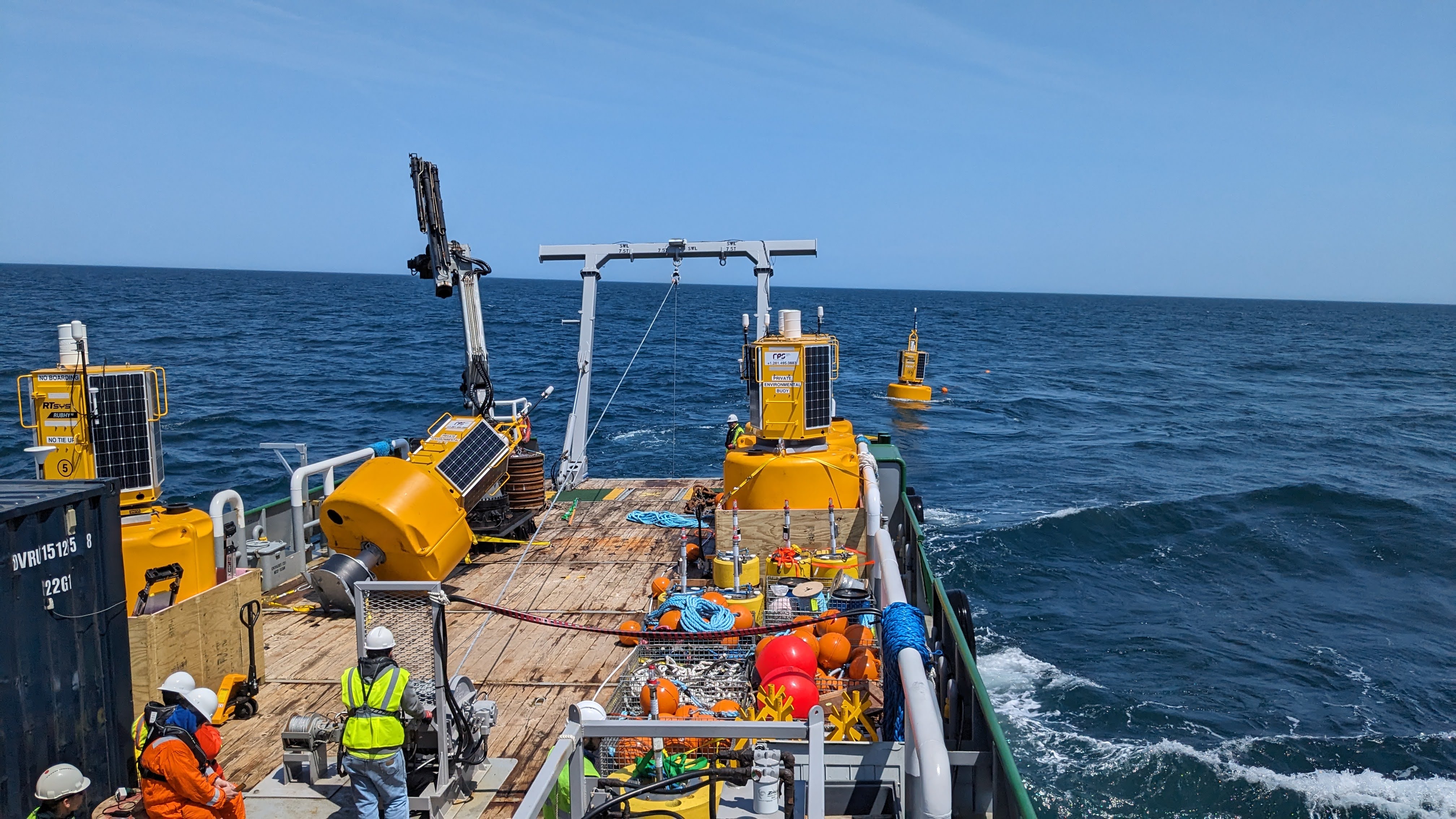
Passive Acoustic Monitoring, known as PAM, has quickly evolved into a strict regulatory requirement and a vital mitigation tool to manage this environmental footprint. To understand how the industry is addressing this challenge, operationally proven technologies like the RUBHYA smart buoys developed by RTsys Underwater Technologies demonstrate how developers can successfully balance industrial deployment with marine conservation.
The limitations of traditional acoustic systems
Acoustic monitoring is deployed during offshore construction to detect the presence of protected species and ensure absolute compliance with environmental legislation. Despite its importance, conventional PAM operations face significant practical hurdles:
- Heavy reliance on manual analysis: Older systems record vast amounts of raw data that require time-consuming, manual post-processing to identify specific marine mammal vocalizations, slowing down reporting cycles.
- Delayed alerts: Without real-time data transmission, operators cannot immediately halt pile-driving activities if a sensitive species drifts into the exclusion zone, increasing regulatory risk.
- Logistical constraints: Many standard devices lack the battery endurance, data storage capacity and physical robustness needed to survive long-term offshore deployment in harsh sea conditions.
RUBHYA smart buoys: real-time AI detection
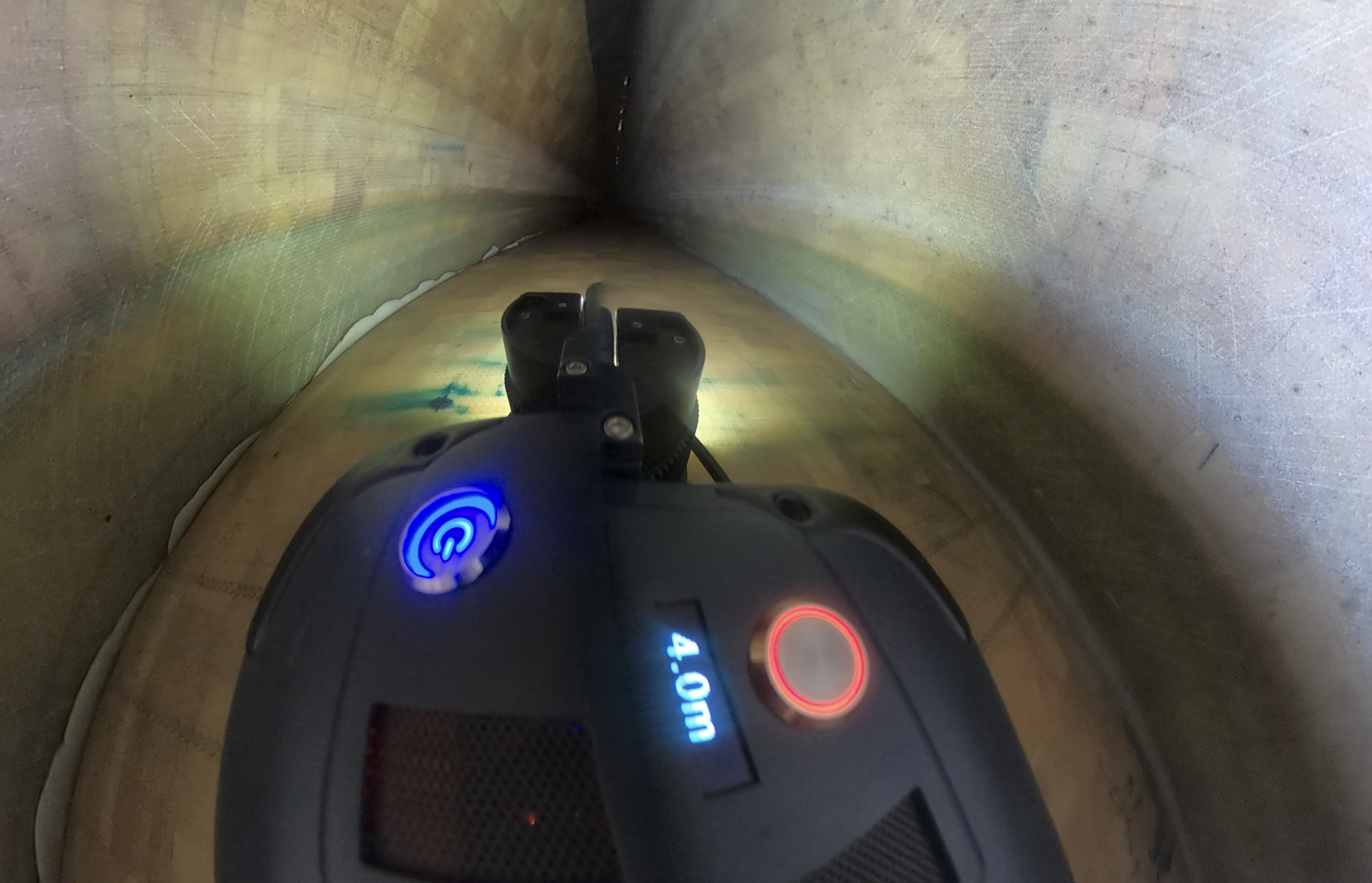
Next-generation RUBHYA buoys address these vulnerabilities by embedding advanced artificial intelligence directly onto rugged marine hardware, setting a new standard for underwater environmental safety:
- Automated AI classification: The system uses onboard algorithms to automatically detect and classify marine mammal signals in real time, drastically reducing the need for manual data sorting.
- Instant alerts and diagnostics: By transmitting live telemetry, the platform provides immediate alerts regarding critical acoustic events and supports remote diagnostics, allowing field teams to react instantly to data signals.
- Compact, autonomous design: The buoys optimise space while maintaining excellent power endurance and high-capacity data storage, making them highly flexible for extended field campaigns.
Securing legal compliance and stakeholder trust
Integrating intelligent acoustic monitoring into offshore construction frameworks provides a high level of confidence to regulatory bodies and environmental stakeholders. By scaling these automated systems across multi-gigawatt portfolios, developers can eliminate operational blind spots, verify compliance with strict environmental mitigation policies and protect the delicate marine environments supporting the renewable energy boom.
How is your team using intelligent acoustic monitoring to streamline regulatory compliance for upcoming offshore campaigns? Share your thoughts in the comments below.
Looking for the full technical breakdown? To read the complete industrial spotlight on real-time passive acoustic monitoring and marine stewardship frameworks, visit the official RTsys website: https://pes.eu.com/exclusive-articles/insights-from-ai-for-passive-acoustic-monitoring-pam-in-offshore-wind-farms