The global renewable energy market has moved beyond exuberant growth into a more disciplined, strategic era. Dr. Florian Wessendorf, Managing Director at Solar Promotion, outlines how markets worldwide are shifting from simply installing capacity at speed to building resilient, intelligent energy systems fit for long-term transformation.
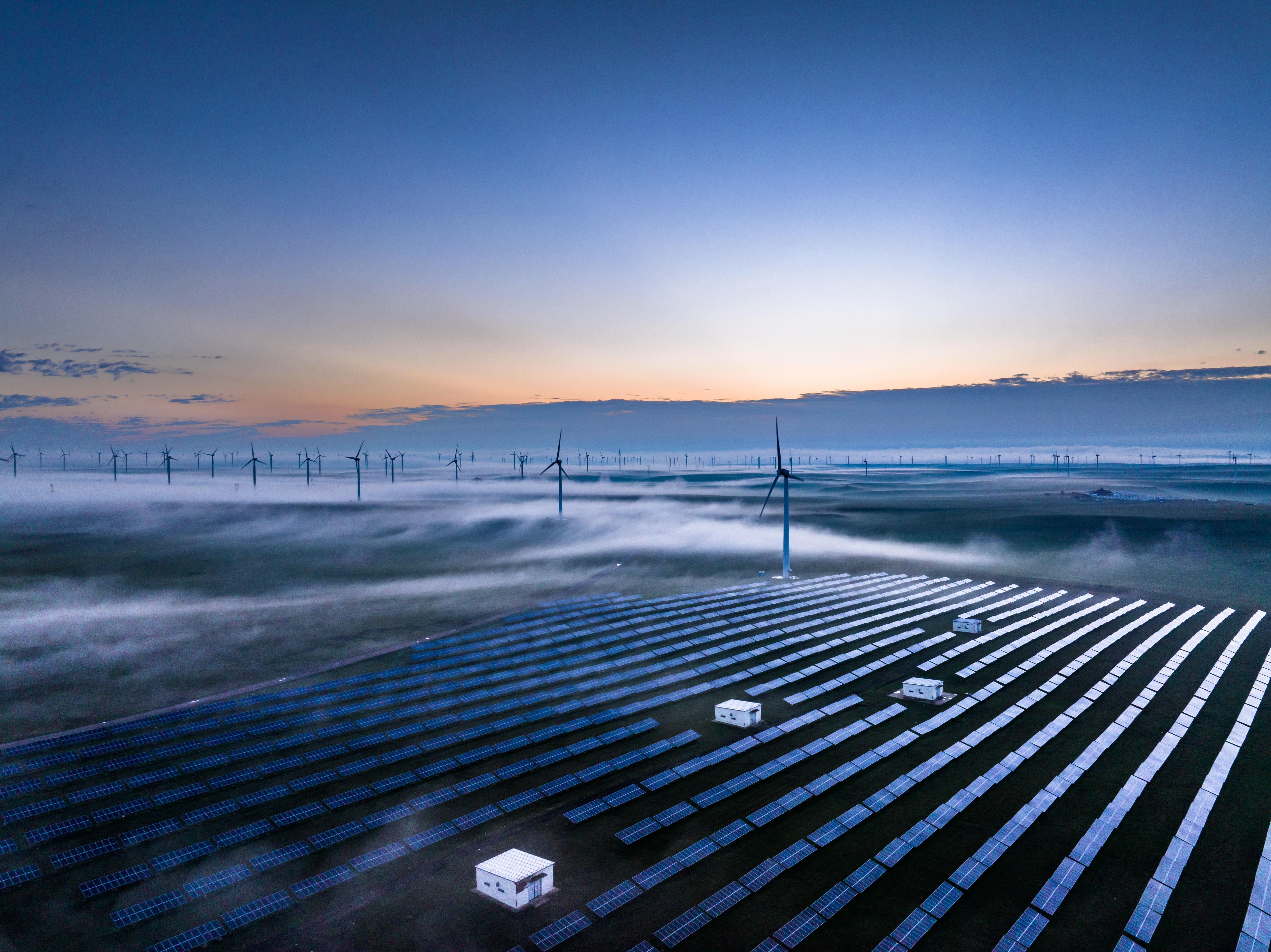
Solar and storage have become mainstream pillars of global energy networks, moving the central question away from whether renewables will dominate new capacity additions to how they can reliably and economically anchor entire grid infrastructures.
Global market shifts from volume to system integration
While early deployment cycles prioritized sheer gigawatt volume, the modern industry conversation focuses directly on system value, flexibility, sector coupling and grid stability.
- Grid congestion and volatility: In mature markets like Europe and North America, developers are actively grappling with grid modernisation, curtailment and highly volatile wholesale prices.
- Leapfrogging legacy systems: Emerging markets are frequently bypassing traditional infrastructure entirely, integrating storage and smart grid technologies earlier in their development curves.
- Evolving deal flow: High-volume deals remain dominated by utility-scale solar and storage projects, but commercial and industrial (C&I) segments are becoming highly dynamic in regions with high retail electricity prices.
- Macroeconomic discipline: Higher interest rates and supply chain recalibrations have made financing discussions deeply risk-focused. Macroeconomic pressures have introduced structured discipline, with buyers conducting longer decision cycles and deeper due diligence.
Regional dynamics across key emerging markets
Regional energy landscapes are using local playbooks to transition from exploration to optimization, driven by distinct regulatory frameworks and economic conditions.
- Latin America's sophistication: Markets like Brazil, Chile and Colombia are building complex renewable portfolios. Industry dialogue has moved away from basic policy frameworks to focus on merchant risk exposure, hybrid PPAs and green hydrogen export.
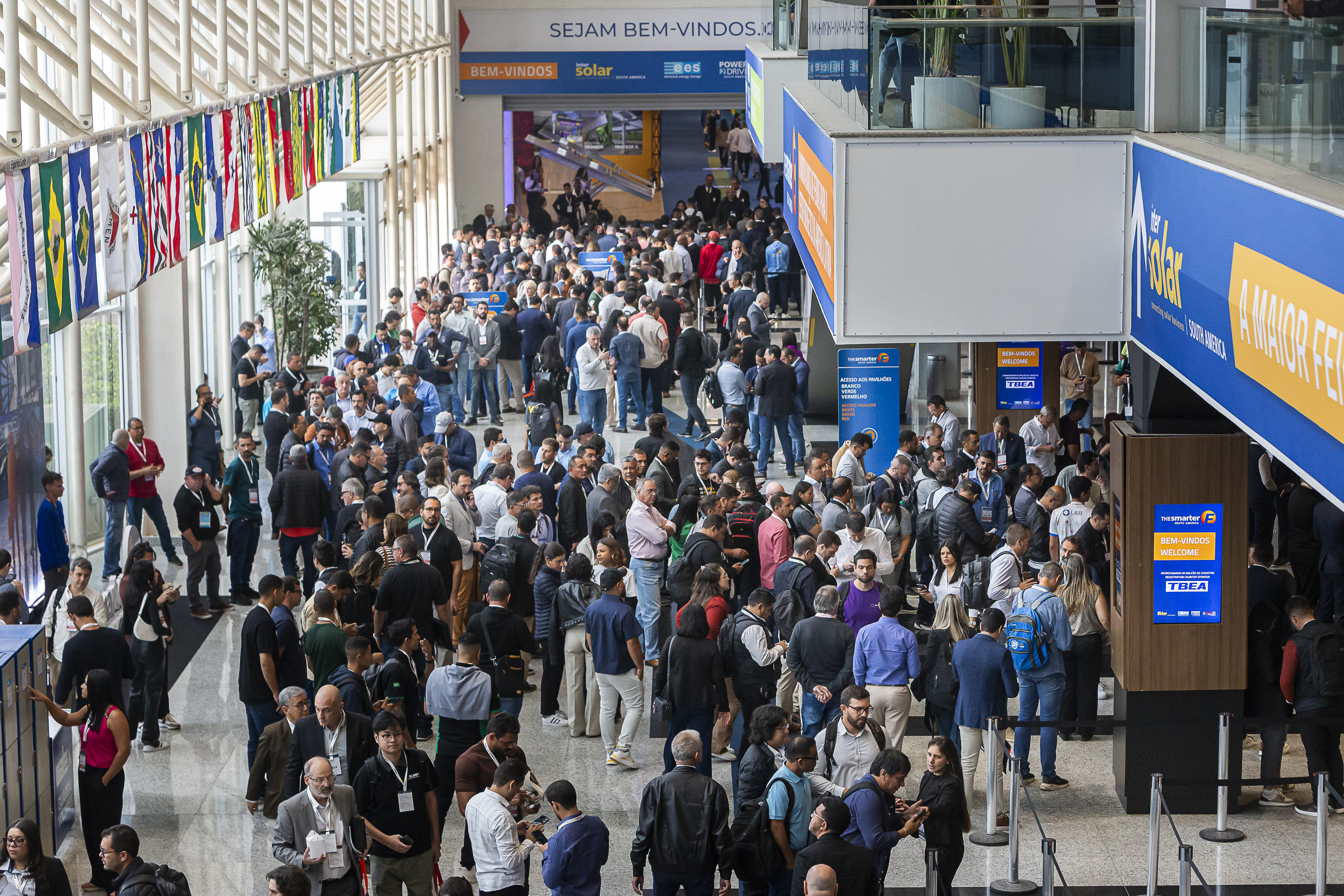
- Brazil's dual expansion: Brazil uniquely combines massive utility-scale solar and wind projects with a rapidly growing distributed generation sector driven by regulatory incentives. Grid congestion is currently forcing developers to prioritise system intelligence and hybrid storage configurations.
- Mexico's industrial demand: Despite shifting government priorities and permitting challenges, industrial demand remains exceptionally strong, pushing a resilient private sector toward private off-take arrangements.
- Africa's concrete acceleration: Driven by load-shedding challenges in South Africa, commercial players are moving rapidly toward self-generation and storage, shifting the continent from feasibility studies to active contract execution.
- India's domestic supply chain: India differentiates itself by integrating industrial policy with energy targets, building a complete domestic clean-tech manufacturing base to position itself as a global export hub.
- The Middle East's evolution: Using its financial strength and exceptional solar resources, the region is breaking records with ultra-low tariffs and large-scale green hydrogen ambitions to maintain its global leadership in a decarbonized system.
Storage, hybridisation and the digital future
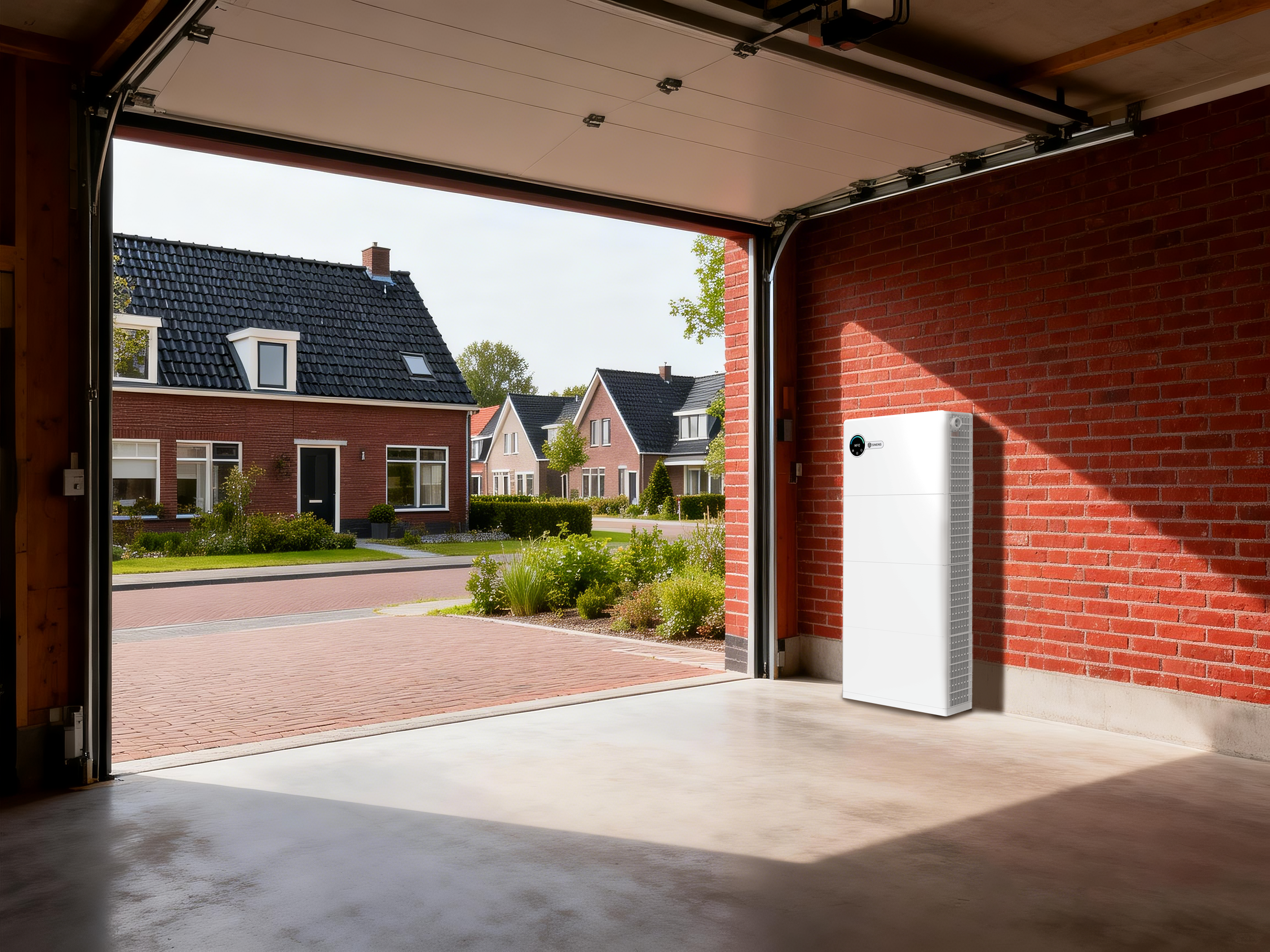
Storage has officially transitioned from an optional enhancement to an essential strategic asset. While mature networks use storage for frequency regulation, grid services and arbitrage, emerging grids rely on it to bridge reliability gaps and handle system instability.
- The default to hybrid bids: Tenders are increasingly establishing solar plus storage as the default design. Hybridising solar, wind and storage provides long-term financial resilience, turning once-siloed installations into dispatchable power plants.
- The impact of sector coupling: Electrifying transport, heating and heavy industries links clean power directly to broader economic transformation, defining the competitiveness of future energy hubs.
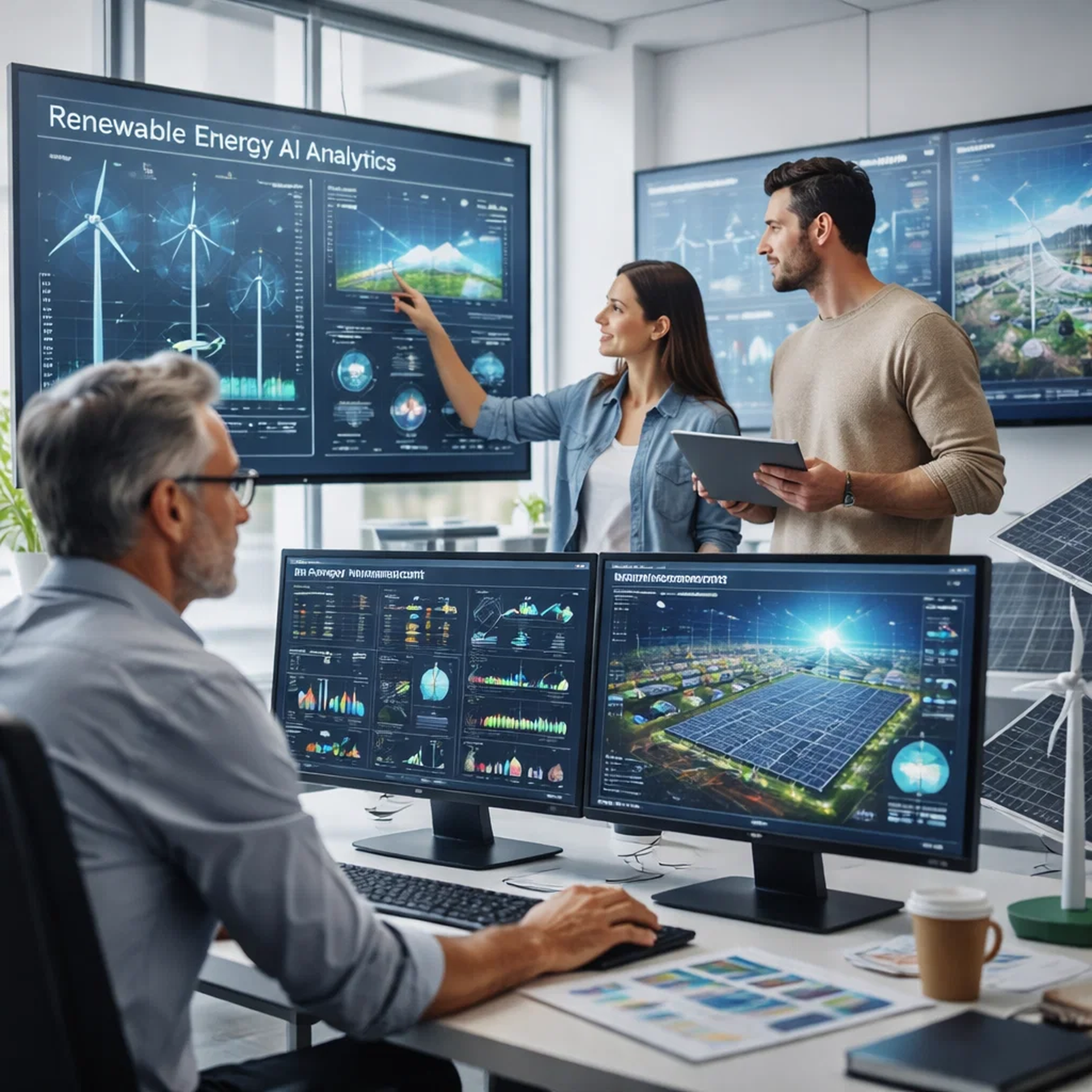
- AI-driven grid management: The next five years are expected to bring surprising innovations through deep digitalisation. AI-driven grid controls, predictive maintenance, integrated energy management software and long-duration storage technologies will serve as the core cornerstones of smarter, interconnected and highly resilient global energy networks.
How is your development team restructuring power purchase agreements (PPAs) to manage merchant risk and integrate localised storage assets? Share your thoughts in the comments below.
Looking for the full technical breakdown? To review international event schedules and read further executive insights on global sector coupling trends, visit the official The Smarter E platform: https://pes.eu.com/exclusive-articles/from-expansion-to-intelligence-the-renewable-sector-enters-its-strategic-era