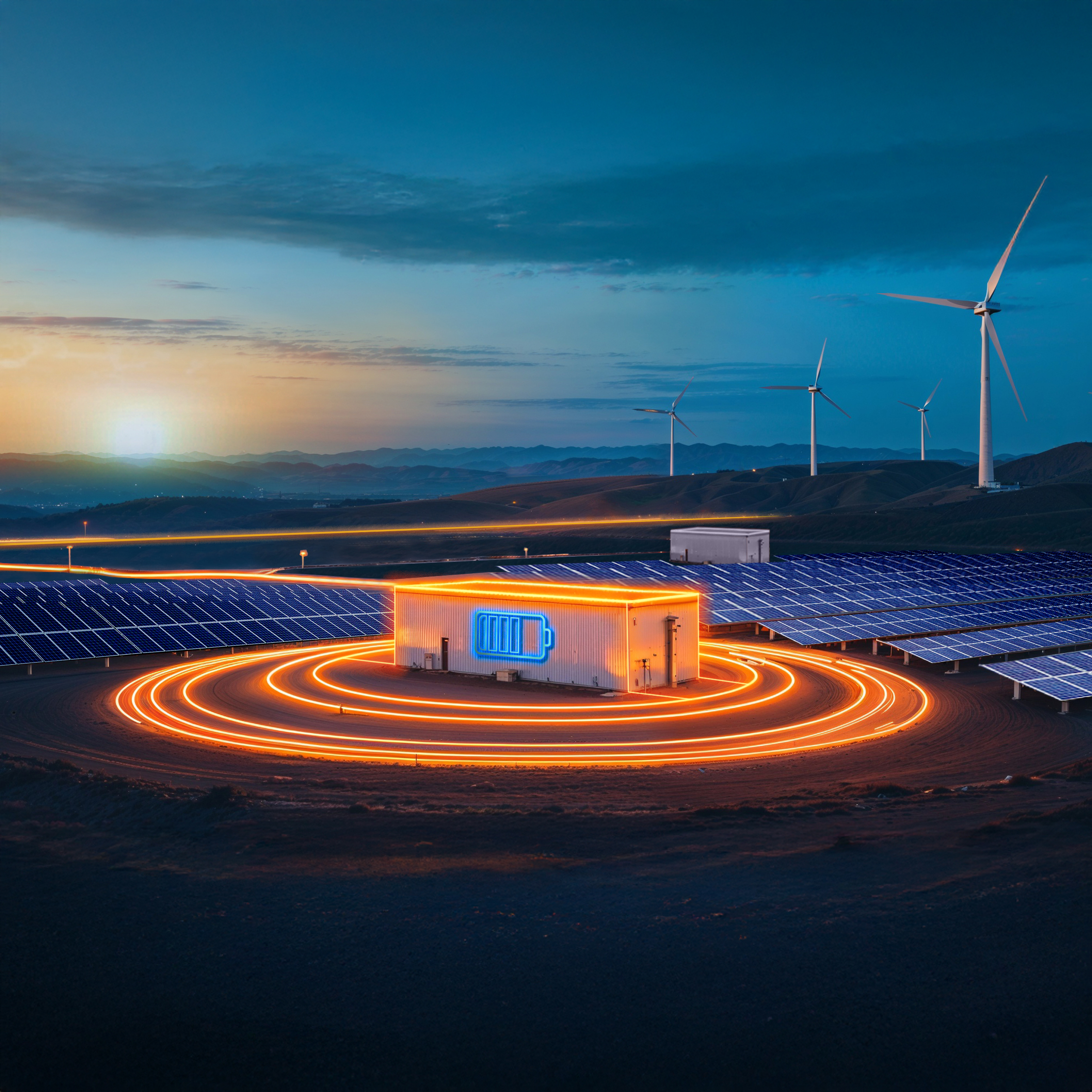
In the race to decarbonise our energy system, we often focus on the technology, but overlook something equally crucial: where to put it. As the demand for clean energy solutions like battery storage intensifies, the question of land use becomes increasingly pressing. The answer may be right under our feet.
Brownfield sites land once home to industry, transport hubs, or commercial developments offer a powerful yet underutilised solution for the UK's energy transition. In 2022, a charity identified 23,002 brownfield sites covering 27,342 hectares of land in England. This vast, largely untapped resource represents a strategic opportunity to deploy Battery Energy Storage Systems (BESS) in a way that maximises environmental and community benefits while minimising new land development.
More Than Just Wasteland: Redefining Brownfields
There's a common misconception that brownfields are exclusively toxic and contaminated sites that pose insurmountable challenges to redevelopment. The reality is far more nuanced. In England, a brownfield is officially defined as 'any land that has been previously developed, including derelict and vacant land, which may or may not be contaminated'.
This definition encompasses a diverse range of sites, from abandoned car parks and former warehouses to decommissioned power stations. Many of these present relatively low environmental risk and, crucially, often come with existing infrastructure advantages like proximity to electrical grids and road access, making them ideal candidates for BESS projects.
The Strategic Advantages of Brownfield BESS Projects
Deploying battery storage on brownfield sites offers multiple, simultaneous benefits that go far beyond simple land use.
- Environmental Remediation: The redevelopment process allows contaminated sites to be cleaned up, restoring ecological balance. This involves thorough site assessments, the removal of hazardous materials, and strategies to prevent future contamination. By incorporating remediation into BESS projects, developers can transform environmental liabilities that have posed risks for decades into clean energy assets.
- Efficient and Sustainable Land Use: In a country with high population density like the UK, every hectare matters. Rather than encroaching on undisturbed "greenfield" areas, brownfield development maximises the use of existing resources and minimises the strain on natural habitats. A typical 50 MW/100 MWh BESS facility might require just half a hectare, a scale that matches well with many available brownfield sites.
- Leveraging Existing Infrastructure: Proximity to existing infrastructure creates both economic and environmental advantages. Utilising established grid connections, road access, and water supply provides financial savings and significantly reduces construction timelines and costs. This minimises the environmental impact of new construction and causes fewer disruptions to local communities.
- Economic Revitalisation for Communities: Transforming idle areas into productive energy assets contributes to local economic revival. The initial construction phases create immediate employment, injecting activity into areas that may have experienced economic decline. Once operational, these facilities continue to provide jobs for maintenance and technical operations. For communities impacted by industrial decline, this offers tangible evidence of economic transition and renewal.
A Case in Point: The Hyde BESS Project
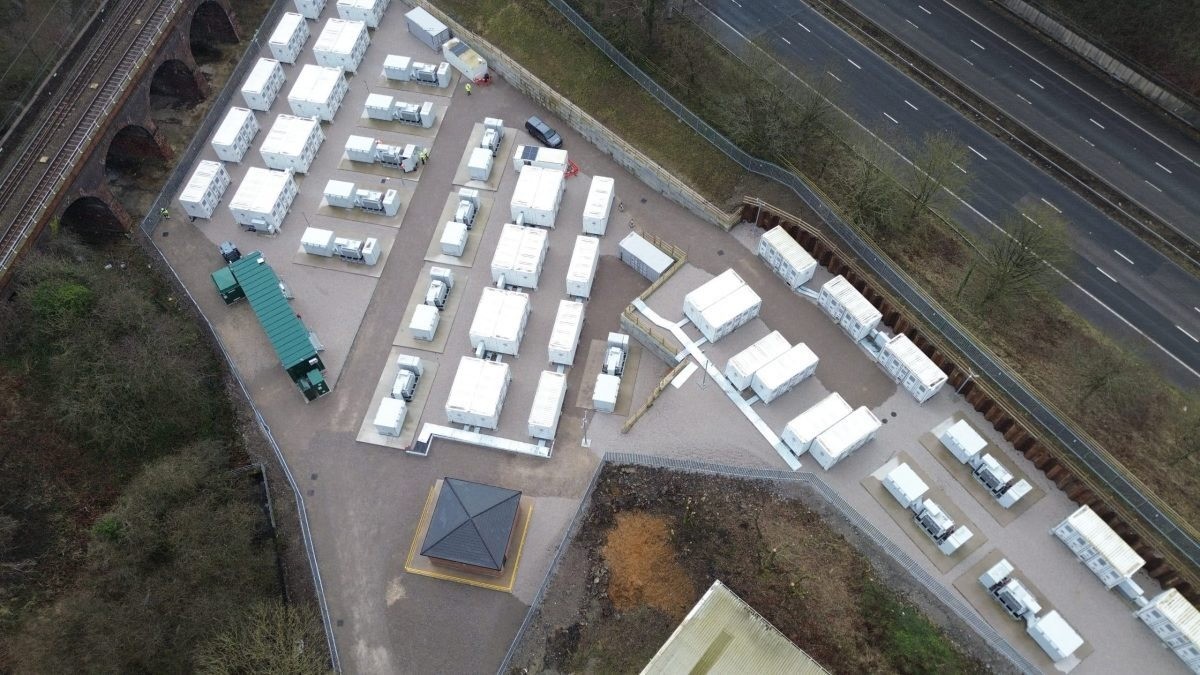
Pulse Clean Energy’s 42 MW/100 MWh Hyde BESS project in west Manchester is a prime example. The project sits on a brownfield site that was once a housing estate and later a scrap yard. By reclaiming this neglected piece of land, the project will now provide enough energy to power approximately 227,000 homes for two hours during peak demand, supporting the integration of more renewable energy into the grid.
The energy transition cannot afford to be careless with land use. By strategically deploying energy storage on brownfield sites, we can accelerate the clean energy revolution while reinvigorating local economies and reclaiming our industrial past for a sustainable future.
Learn more about Pulse Clean Energy's work: https://pulsecleanenergy.com/





-1.jpg)