The offshore wind sector has faced its share of volatility recently, with headlines focusing on cancelled projects, spiralling costs, under-subscribed auctions and geopolitical pressures. Some observers have even raised existential questions about the industry's viability.
However, reactive market analysis fails to capture the true momentum of this sector. News operates on 24-hour cycles and political terms are measured in years, but an offshore wind farm typically has a 30 to 40-year life cycle from initial concept to decommissioning.
When we look past short-term market turbulence, robust data and long-range forecasting reveal that the underlying trajectory for offshore wind remains firmly rooted in growth.
Shifting national strategies and rising targets
Around the world, governments are actively raising installation targets, expanding development zones and altering their strategies around offtake and investment to adapt to macroeconomic realities.
- The core drivers: The fundamental drivers of offshore wind have not changed. Nations and regions require secure, domestic clean energy industries, resilient supply chains and absolute energy independence.
- The scale advantage: Offshore wind is uniquely positioned to deliver this transition due to its massive scalability, technological maturity and expanding global footprint.
- The policy transition: To sustain this momentum, short-term targets must be matched by workable policies, realistic auction designs and proactive, long-term supply chain planning.
Floating wind: the new market attractiveness leaders
As fixed-bottom installations expand, the next major frontier for the industry is floating wind technology, which unlocks vast deep-water territories previously out of reach.
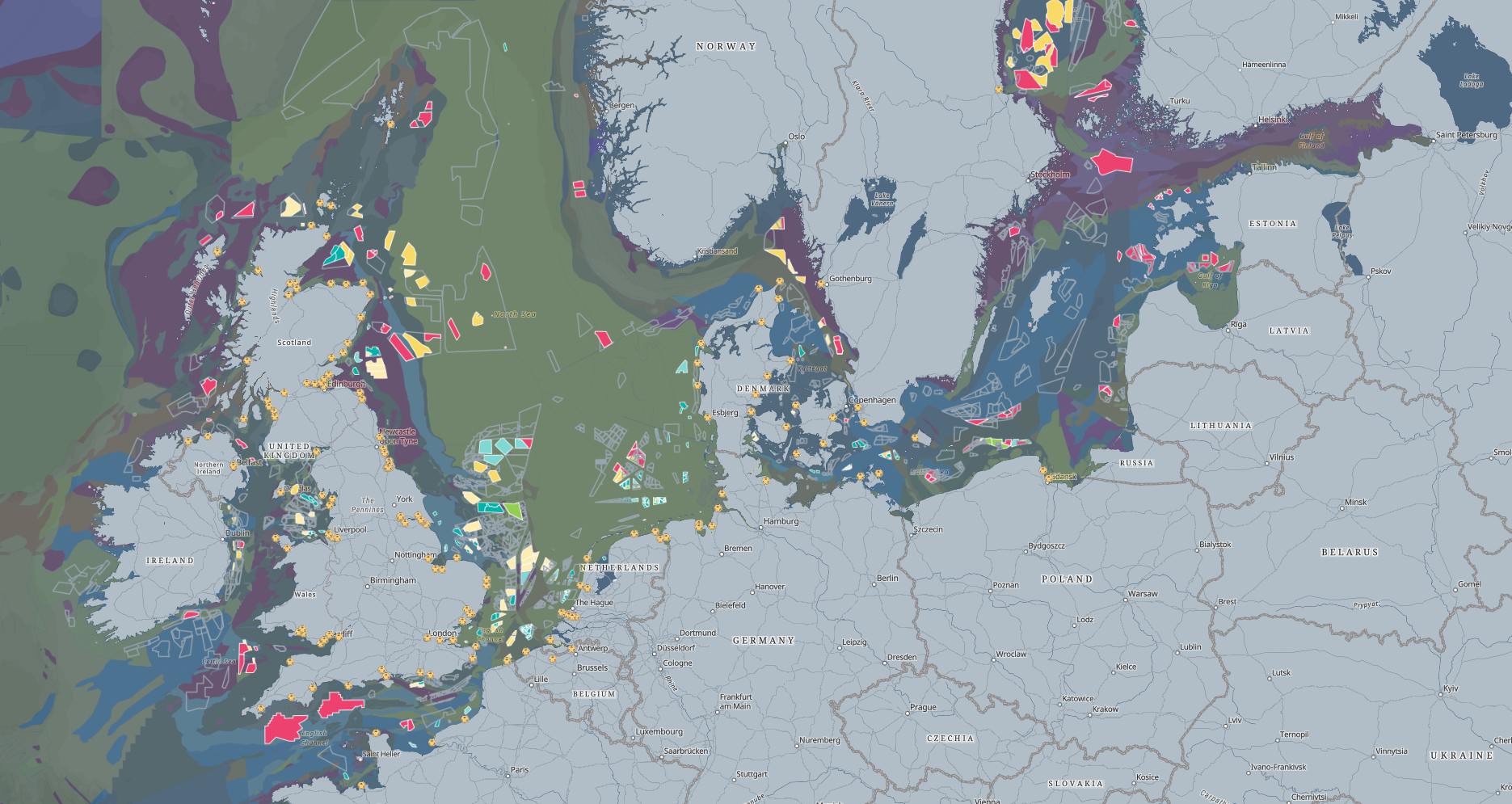
According to the latest Floating Wind Market Attractiveness Index published by TGS 4C, three nations currently lead the global pipeline:
- The United Kingdom: Ranks as a highly attractive market due to its massive technical potential, clear political ambition and strong pipeline of upcoming leasing rounds.
- France: Driven by firm regulatory frameworks, steady policy support and consistent auction schedules designed to build early investor confidence.
- South Korea: Emerging fast due to its world-class maritime supply chain readiness, engineering capabilities and strategic regional project pipeline.
Accessing the long view
Succeeding in this evolving landscape requires developers, suppliers and investors to look beyond immediate constraints. Long-term supply and demand analytics provide the foresight needed to map out pressure points, manage risk and successfully reduce the threat of unexpected supply chain bottlenecks. The long-term promise of offshore wind is not diminished by today's macroeconomic headwinds, but is defined by how strategically the industry plans for the decades ahead.
How is your organisation using long-range data to de-risk its offshore wind investments amidst short-term market volatility? Share your thoughts in the comments below.
Looking for the full technical breakdown? To read the complete industrial spotlight and explore the 2040 market attractiveness rankings, visit the original article on the TGS 4C website: https://pes.eu.com/exclusive-articles/forecasting-through-uncertainty-the-long-term-outlook-for-offshore-wind









_edited-300dpi-1.png)