Ireland possesses the natural resources to transform into a global powerhouse for clean energy. With a maritime zone nearly ten times the size of its land mass and an estimated 70 GW of floating wind potential, the island could not only power itself but become a major exporter to Europe. Yet, a critical infrastructure gap threatens to derail these ambitions before they even leave the harbor.
Without urgent investment in specialized seaports, Ireland’s offshore wind targets are slipping out of reach. However, the proposed Leahill Port in Bantry Bay offers a pivotal solution to bridge this gap and secure Ireland's place in the renewable future.
The Challenge: Ambitious Targets vs. Infrastructure Reality
The Irish government has set clear, ambitious goals: generating 5 GW of offshore wind by 2030 and rising to 37 GW by 2050. To achieve this, the country needs a massive ramp-up in domestic supply chains, workforce, and vessels.
The bottleneck, however, is stark. A March 2023 government report on Offshore Renewable Energy (ORE) concluded that Ireland needs at least four specialized port facilities, each capable of marshalling 500 MW of turbines annually, to meet its 2030 targets. Currently, the country lacks enough ports with the necessary size, depth, and quayside storage to support the rollout of Floating Offshore Wind (FLOW).
This "port blind spot" puts Ireland at risk of missing its climate targets and losing the economic benefits of the green transition to other nations with better infrastructure.
The Solution: Leahill Port, Bantry Bay
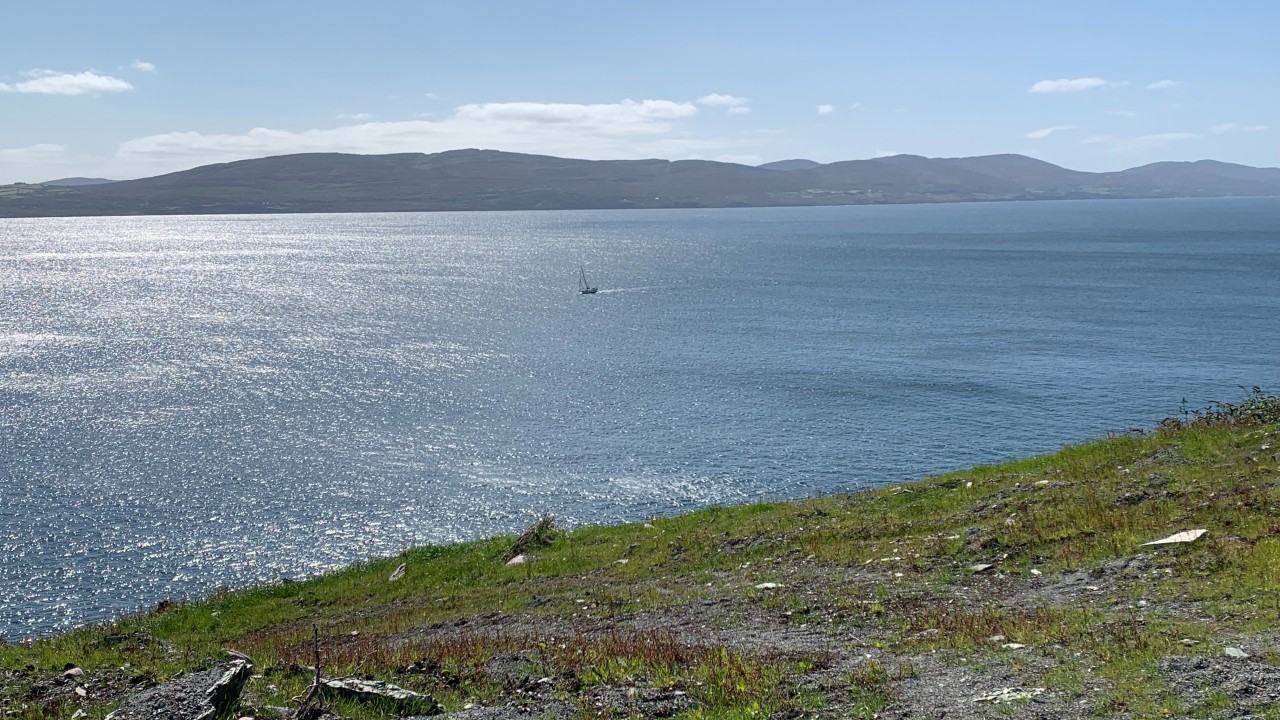
Located on Ireland's southern coast, Leahill Port is strategically positioned to solve this infrastructure crisis. Bantry Bay is a deep, wide inlet offering sheltered waters and safe anchorage—ideal conditions for the wet storage of floating wind units, a critical requirement for FLOW deployment.
The proposed development for Leahill Port is designed specifically to handle the immense scale of offshore wind components:
- Massive Capacity: Phase 1 plans include a 500-meter quay with a minimum depth of 18 meters, alongside 30 hectares of storage space for turbine components.
- Specialized Repair Facilities: Uniquely, the plans feature a 150m x 150m dry dock or Bardex-type lift. This facility would allow floating units to be returned to port for repair and maintenance, ensuring the long-term sustainability of the fleet.
- Expansion Ready: The site boasts 1,200 meters of shoreline and 60 hectares of commercially zoned brownfield land, allowing for significant future expansion.
- On-Site Resources: Approximately 2 million tonnes of rock are available on-site for the construction of quays and breakwaters, streamlining the development process.
Bridging the Gap to Net Zero
Developing Leahill is about more than just meeting energy targets; it is a catalyst for regional economic revitalization. By repurposing underutilized coastal areas away from congested city ports, this project supports national development goals while creating thousands of sustainable jobs.
Furthermore, it addresses the industry's "chicken and egg" dilemma. Sharing risk between governments, investors, and developers is vital to scaling floating wind technology. A dedicated, world-class facility like Leahill provides the predictability and certainty needed to unlock capital investment and drive down costs.
Conclusion: Mastering Our Energy Destiny
The green transition is unstoppable, but Ireland's role in it is not guaranteed. If the necessary port infrastructure is not built domestically, the work—and the associated economic value—will simply move elsewhere.
Focusing resources on developing Leahill Port is essential to harness the country's full ORE potential in deeper waters. It is the key to ensuring Ireland becomes a master of its own energy destiny, rather than a bystander in Europe's renewable revolution.




-1.jpg)