As the global transition to renewable energy gains momentum, its long-term success hinges not just on technology and investment, but on the availability of skilled professionals who can safely and efficiently build, maintain, and operate our clean energy infrastructure. The need is clear and urgent. The American Clean Power Association (ACP) forecasts that the US clean energy workforce will nearly double by 2030, reaching close to one million jobs.
However, this rapid expansion comes with a significant obstacle: a growing workforce shortage. Industry leaders have identified a lack of qualified labor as a key threat to clean energy deployment timelines. Bridging this gap requires a strategic, hands on, and mission-driven approach to workforce development.
Beyond the Classroom: Training That Reflects the Real World
Responding to this demand requires more than traditional, classroom based learning. The most effective workforce development programs are those that provide real-world context, build confidence, and emphasize safety and precision.
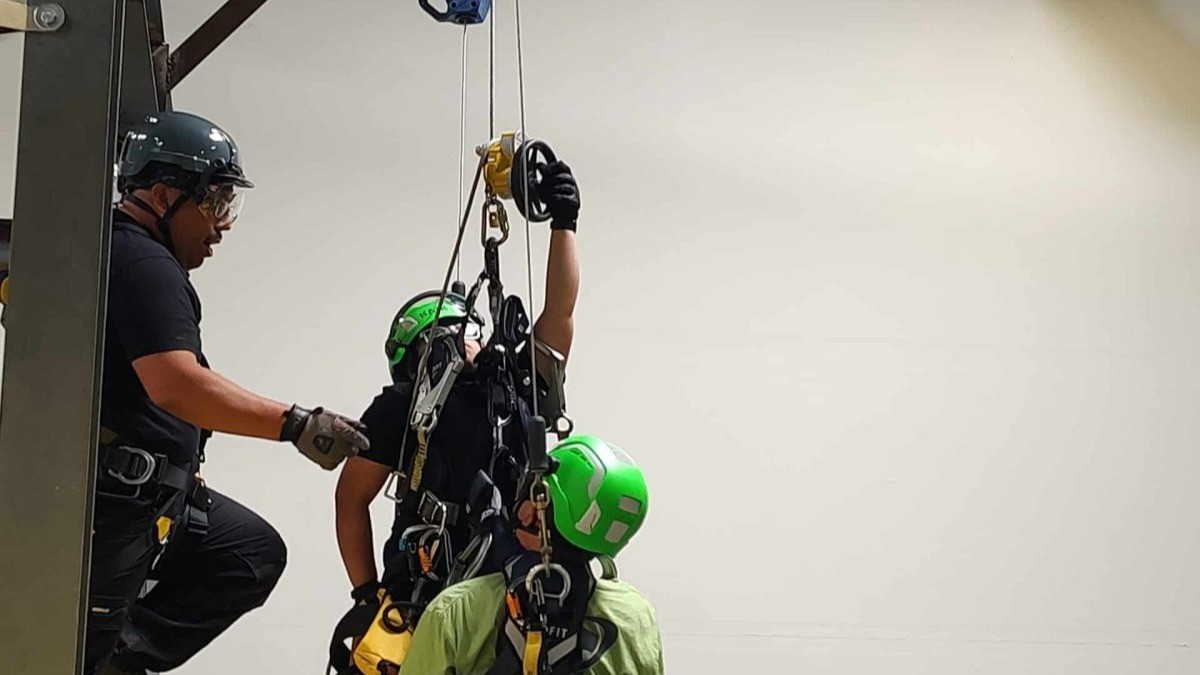
Leading training providers like Tower Training Academy have built their programs around this exact philosophy. The learning environment is immersive and pragmatic, offering trainees the opportunity to work with real equipment in real scenarios, under the guidance of experienced professionals. The curriculum is aligned with ACP's recommended training standards, ensuring that graduates possess industry validated skills in installation, troubleshooting, maintenance, and safety. The goal is not just to pass certification exams, but to produce technicians who can step directly into demanding roles and thrive.
A Critical Talent Pipeline: Empowering Military Veterans
One of the most forward-looking elements of this modern workforce model is its focus on military veterans. Transitioning service members represent a highly underutilized talent pool in clean energy, one with enormous potential. Veterans bring a wealth of transferable skills, including technical expertise, adaptability, teamwork, and a strong work ethic. ACP data confirms their impact, showing that veterans are already employed in the clean power industry at a rate 34% above the national average, with especially high representation in wind energy.
Specialized training pathways help veterans transition into roles as wind turbine or BESS technicians. These programs include hands on instruction, mentorship from industry professionals (many of whom are veterans themselves), and career services that go beyond simple job placement.
More Than Technical Skills: Holistic Career Services That Deliver
Workforce development doesn't end with technical training. A key differentiator is a holistic commitment to student success. Recognizing that many trainees are entering the industry for the first time, these programs offer comprehensive "wraparound" career support. Services include:
- Resume development tailored to the energy sector.
- Mock interviews with industry professionals.
- Job placement support through partnerships with a wide range of employers.
These efforts ensure that graduates don't just have the skills to perform on the job; they also have the confidence and resources to build sustainable careers. For businesses facing talent shortages, hiring from a pipeline that combines technical excellence with professional readiness is a clear advantage, shortening time to productivity and improving retention.
The energy transition will be measured not just in gigawatts deployed, but in people empowered. By focusing on hands on experience, aligning with national standards, and integrating veteran support and career services, this new standard in workforce development is building the human infrastructure behind clean energy progress.
Learn more about industry-leading workforce development: towertrainingacademy.com






_edited-300dpi-1.png)