Exclusive Articles

Cooling the Cost of Clean Energy: How Cold Thermal Storage is Supercharging Solar Performance


Published in: Solar, Digital Blog


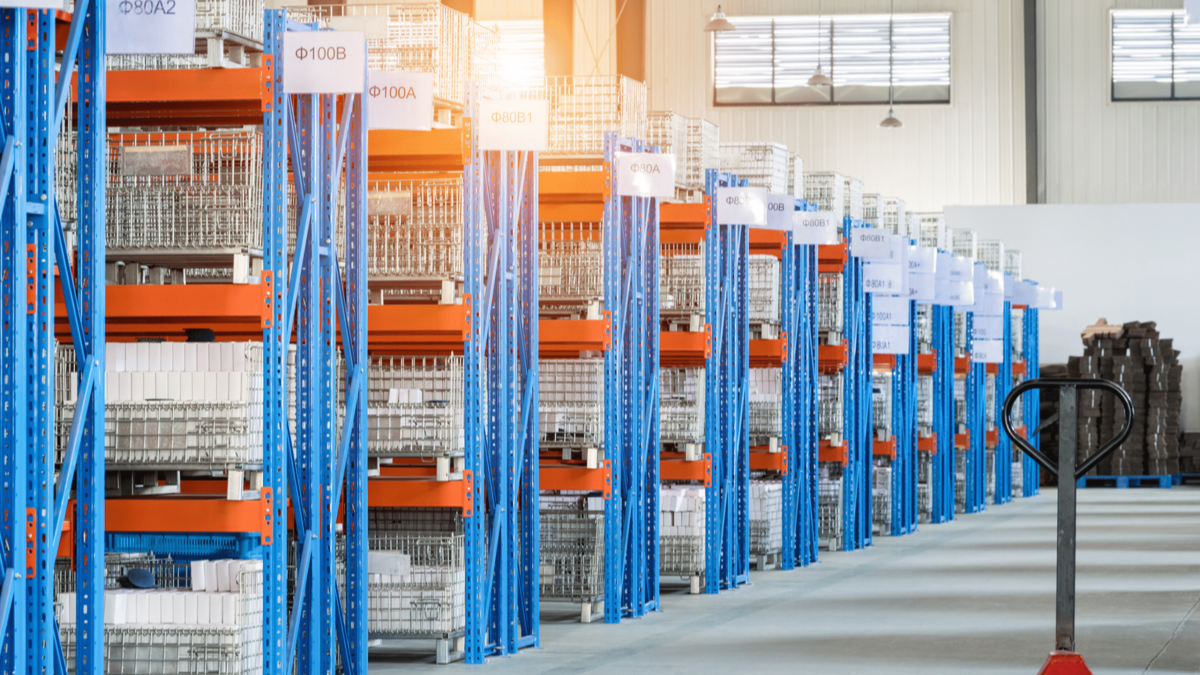
Cooling the Cost of Clean Energy: How Cold Thermal Storage is Supercharging Solar Performance image

As renewable generation from wind and solar scales up, what's the most efficient way to store surplus energy?

While lithium-ion batteries are a vital part of the energy transition, they may not always be the most cost-effective solution, especially for industries with significant and constant cooling demands like data centers, food processing, or pharmaceuticals. A transformative and highly efficient alternative is gaining traction: Cold Thermal Energy Storage (CTES).

This innovative approach converts excess electricity directly into stored cooling power, offering a powerful new tool for energy management.

How it Works: The Thermal Battery

Instead of storing electricity in a conventional battery, technologies like the EnergiVault from Organic Heat Exchangers (O-Hx) use surplus renewable energy to create a thermal battery.

  • This system captures intermittent energy and stores it as cold thermal energy in advanced Phase Change Materials (PCMs).
  • The stored cooling power is then dispatched on-demand to support a facilitys existing chilled water circuits, perfectly aligning energy supply with cooling demand.

Beyond Batteries: Key Advantages

For facilities with large, centralized chillers, this approach delivers compelling benefits over a standard battery-plus-chiller setup.

  • Peak Shaving & Cost Savings: It allows businesses to draw on stored cooling during peak demand periods, flattening the demand curve and avoiding costly electricity price spikes.
  • Enhanced Efficiency: The system seamlessly supports cooling operations with low power input and high cooling output, avoiding the high inrush currents needed to start up large chillers.
  • Energy Resilience: It provides a crucial source of backup cooling, maintaining stable temperatures for critical processes even during grid power outages.

Unlocking New Markets for Renewables

By making renewable energy more viable for industries with high cooling needs, CTES strengthens the business case for new wind and solar projects. This technology helps maximize the self-consumption of generated power, improves the economics of solar-plus-storage projects, and can ultimately drive greater demand for larger renewable installations.

By thinking beyond conventional batteries and embracing thermal storage, we can unlock greater efficiency, reduce costs, and accelerate the decarbonization of industrial processes.

Discover more about this innovative cooling technology: https://www.o-hx.com/