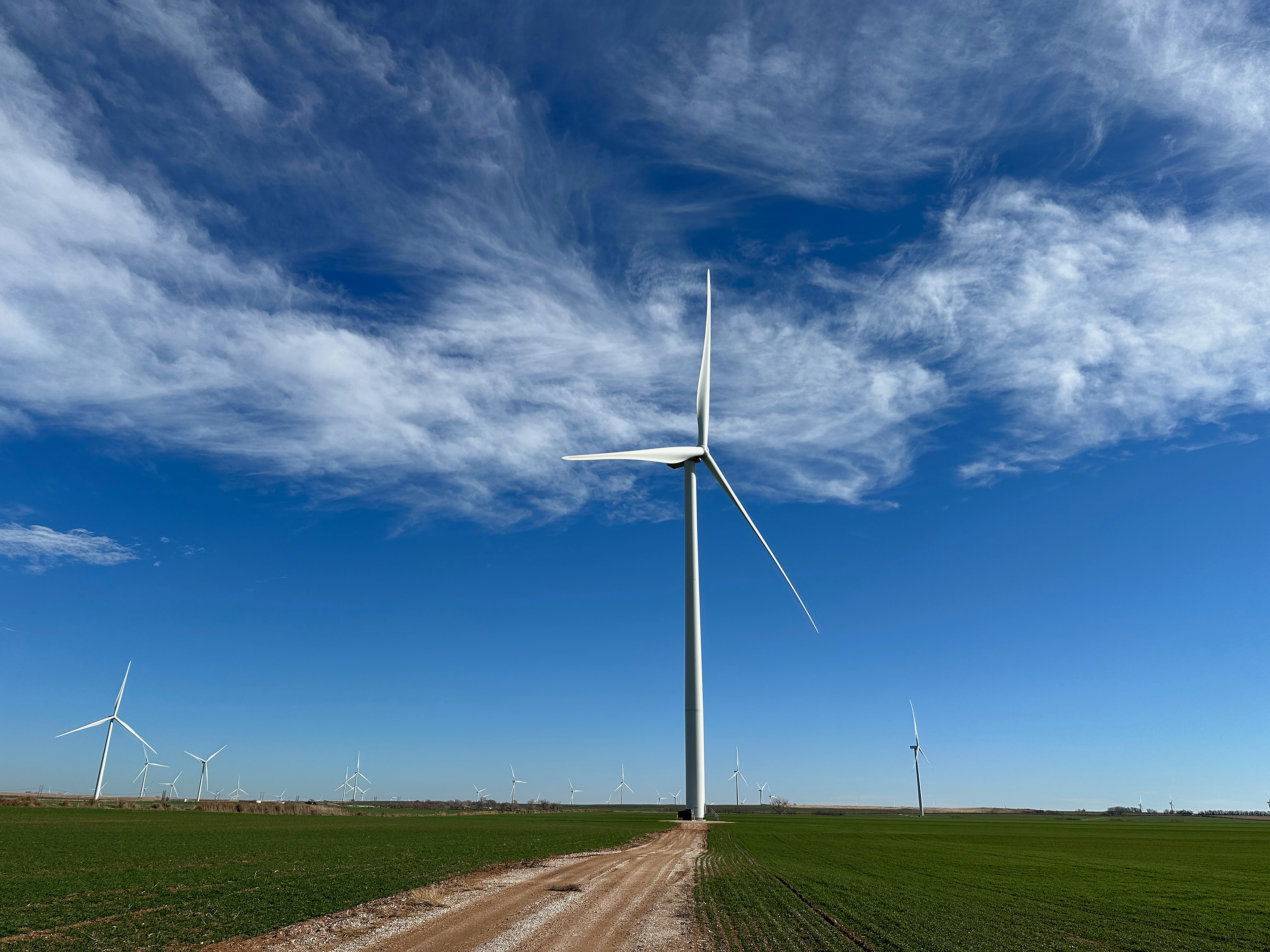
Wind is a global industry, but turbine performance can be shaped by local conditions.
A blade operating in West Texas deals with different conditions from one in northern Europe, India or Australia. The answer to a technical problem may therefore come from another country, another company or even another industry. Weather Guard Wind looks at why connecting that specialist knowledge could become increasingly important as the global fleet grows and ages.
A global industry with dispersed knowledge
Wind now has roughly 1.3 TW of installed capacity. A modern turbine combines expertise in aerodynamics, composites, tribology, power electronics, polymer chemistry, lightning physics and structural fatigue.
No single organisation can maintain specialist knowledge across every discipline.
Other industries have faced the same challenge. Aerospace, for example, developed a deep network of specialist suppliers over decades. Wind is still developing that structure while drawing on expertise from adjacent industries.
Different expertise can produce different solutions
Blade recycling provides one example.
Plaswire, a polymer processor in Northern Ireland, applied its experience with difficult waste streams to ground wind turbine blade fibre. The company says it can now process up to 11,000 tonnes of blades annually.
In Houston, Everpoint Services approached the same waste stream differently. Drawing on oil and gas expertise, it developed a use for ground blade fibre as a fluid loss additive for drilling.
The same blade behaves differently around the world
Local operating environments create another challenge.
Leading-edge erosion knowledge has largely developed around northern European conditions, but blades elsewhere face very different environments.
In West Texas, dust, insects and airborne particulates can contribute to rapid blade deterioration. In India, seasonal contamination can build up on blades during the dry season before being removed by the monsoon.
PowerCurve reports that vortex generators used in India have produced annual energy gains exceeding 5% in some cases.
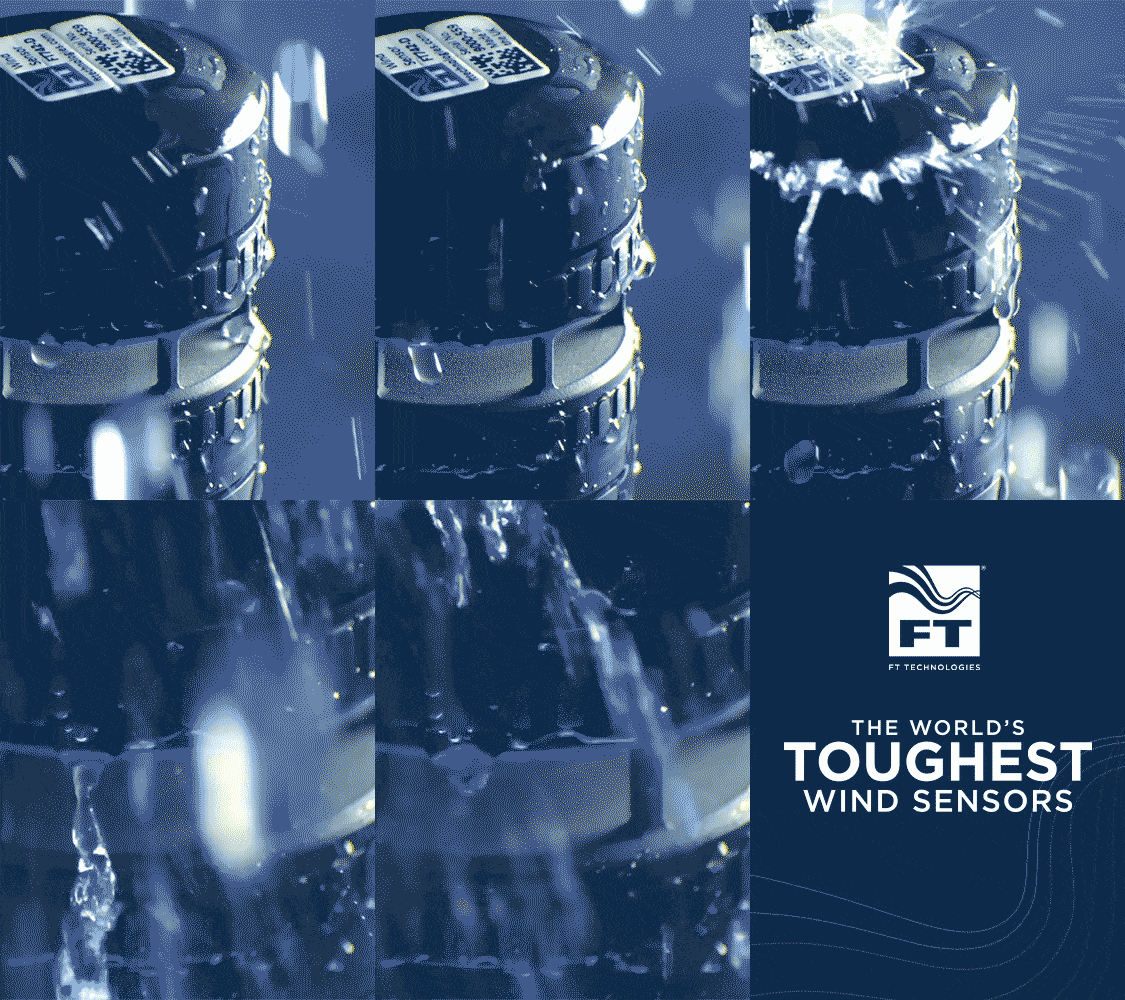
Australia presents another example. Rosemary Barnes of Pardalote Consulting found that a conventional erosion model based on rainfall and blade tip speed did not predict known Australian erosion problems. Her firm is now using scientific-grade sensors at Australian wind farms to investigate the local causes.
Connecting local problems with global expertise
As fleets become older and more diverse, operators will increasingly encounter failure modes and environmental conditions that were not anticipated when turbines were designed.
Solving these problems efficiently requires better access to expertise wherever it exists.
Weather Guard Wind describes the Uptime Wind Energy Podcast as one way of documenting this knowledge, bringing together specialists from markets including Denmark, Latvia, Northern Ireland, Spain, Australia, Scotland and the United States.
The right technical expertise may be in another country or even another industry. Making those connections can help operators find people who have already dealt with a particular failure mode.
The wind sector doesn’t have time to solve the same problem twice. Better connections between local challenges and global expertise could help operators find proven answers faster.
Read the full interview in PES Wind: https://pes.eu.com/exclusive-articles/global-fleet-local-knowledge-closing-winds-expertise-gap