As the UK offshore wind sector enters a period of large project deployment, the challenge is increasingly moving from ambition to execution. Larger turbines, projects further offshore and compressed schedules are placing greater pressure on contractors, workforces and project coordination.
Muehlhan Wind Service (MWS) argues that integrated, locally based delivery models could help developers manage these pressures by reducing contractor interfaces and improving continuity across project phases.
Reducing interface risk
Large offshore wind projects typically involve numerous contractors covering installation, electrical integration, blade services, inspections and maintenance.
Each contractor may operate with different systems, standards and schedules. Misalignment can create delays between phases, inconsistent execution and reduced visibility for developers.
Offshore conditions amplify these problems because weather windows are limited. A delay during assembly preparation can affect vessel schedules, installation and commissioning, creating consequences across the project.
Closer integration can reduce the number of interfaces and improve coordination between activities.
A more constrained UK market
The UK presents additional workforce and regulatory challenges. Post-Brexit visa and right-to-work requirements have made short-notice deployment of EU technicians more difficult.
Local requirements also include technician authorisations, certification standards and Wind Turbine Safety Rules (WTSR) programmes.
For project teams, this increases the importance of:
- Local workforce availability
- Rapid technician mobilisation
- Competence and certification management
- UK-specific regulatory knowledge
- Consistent safety procedures
These factors are encouraging a more localised approach to project execution, reducing dependence on cross-border workforce movements.
Connecting port, offshore and maintenance operations
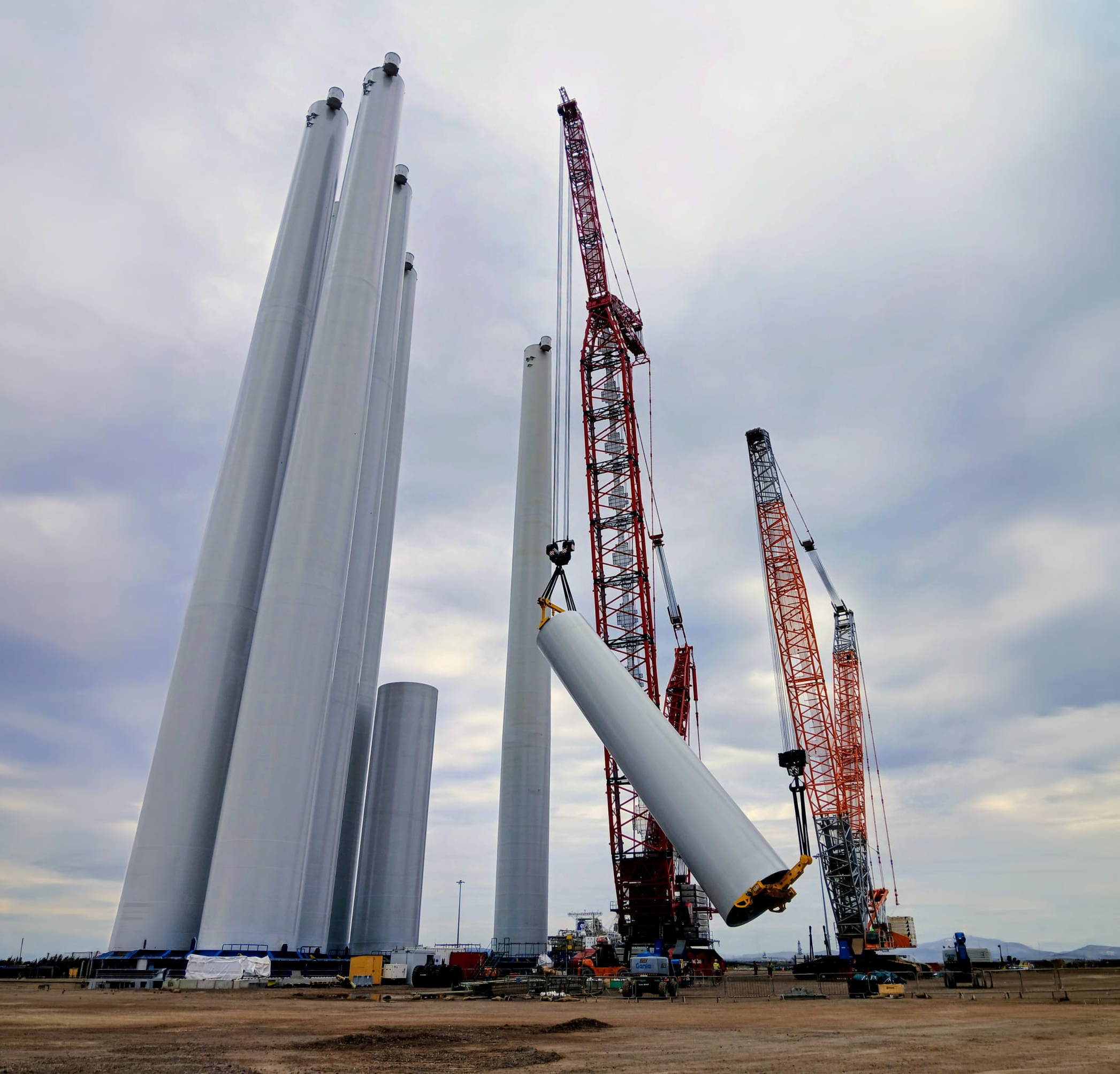
Offshore wind execution extends across several operating environments. At ports, pre-assembly must align closely with vessel and offshore installation schedules. At sea, weather, logistics and safety requirements determine when work can proceed.
Once turbines enter operation, the emphasis moves towards inspections, preventive and corrective maintenance and rapid responses to faults.
MWS has structured its UK activities around supporting these different stages, including offshore pre-assembly, blade inspection and repair, scheduled maintenance, statutory inspections, retrofit and corrective campaigns and technical personnel.
The company has a headquarters and operational hub in Newcastle, with additional support through group entities 3WIS and Renewables Oil Services (ROS) in Scotland.
MWS says this local presence can enable faster mobilisation while improving alignment with UK regulatory and safety requirements.
Managing manpower-intensive work
As projects grow, some work becomes more demanding because of the number of people and level of coordination required rather than technical complexity alone.
Examples include:
- Large pre-assembly operations
- Blade inspection, repair and protection
- Offshore service campaigns
- Onshore maintenance and inspections
- Oil exchange and statutory inspections
The availability of qualified technicians remains an important constraint, particularly during periods of peak demand.
MWS advocates a workforce model combining a core local team with additional capacity when required, supported by structured training, competence management and operational oversight.
From capacity ambition to delivery
Safety and standardisation remain central to this approach. Aligning procedures, reporting and safety practices across activities can reduce variability when teams operate across several project phases.
Heavy coordination is required before turbines even reach offshore installation, and that execution challenge continues throughout the asset lifecycle.
MWS argues that UK offshore wind is reaching a point where execution capability will increasingly distinguish successful projects. Developers still need technology, finance and sufficient capacity, but they must also manage labour constraints, contractor interfaces, compliance and changing offshore conditions.
As the project pipeline develops, the industry’s ability to coordinate these elements may determine how effectively planned capacity becomes operating capacity.
Explore the full feature from Muehlhan Wind Service on integrated project execution, local workforce capability and UK offshore wind delivery in PES Wind: https://pes.eu.com/exclusive-articles/scaling-offshore-wind-execution-in-the-uk