Wind technology companies may have strong engineering, but technical performance alone does not guarantee that a project will move forward. For Weather Guard Lightning Tech, the missing part of the equation is often the asset manager, who must turn technical recommendations into investment decisions that can withstand financial and operational scrutiny.
After 20 years working in the wind industry, the company argues that successful technology must address three elements together: technical evidence, transparent economics and practical installation.
The asset manager’s dilemma
Asset managers receive information from site teams, engineers, original equipment manufacturers (OEMs), insurers, vendors and investors, often presented in different terms and with different priorities.
A typical decision might involve:
- An engineering recommendation for a blade repair campaign
- An OEM service bulletin
- Insurance requirements
- Vendor proposals
- Capital expenditure constraints
- An unexpected failure elsewhere in the fleet
The technical problem may be understood, but approving a fleet-wide investment requires more. Asset managers must establish whether the financial case is defensible, how the work affects warranties and whether implementation is practical.
When those questions cannot be answered clearly, the result may be deferral rather than approval.
What makes a technology easier to approve?
Weather Guard identifies three characteristics that can help asset managers assess new technology.
First is a verifiable track record. Independent test data, documented field results and real deployments give decision makers evidence they can present internally.
Second is transparent installation economics. For many turbine retrofits, the product itself is only part of the cost. Technician hours, rope access logistics, turbine downtime and weather delays can significantly affect the overall business case.
Third is an installation method designed around actual field conditions, including:
- Restricted weather windows
- Crew availability
- OEM coordination
- Site logistics
- Consistent application
The argument is that implementation should be considered as part of product engineering rather than after technical development is complete.
Addressing lightning protection installation
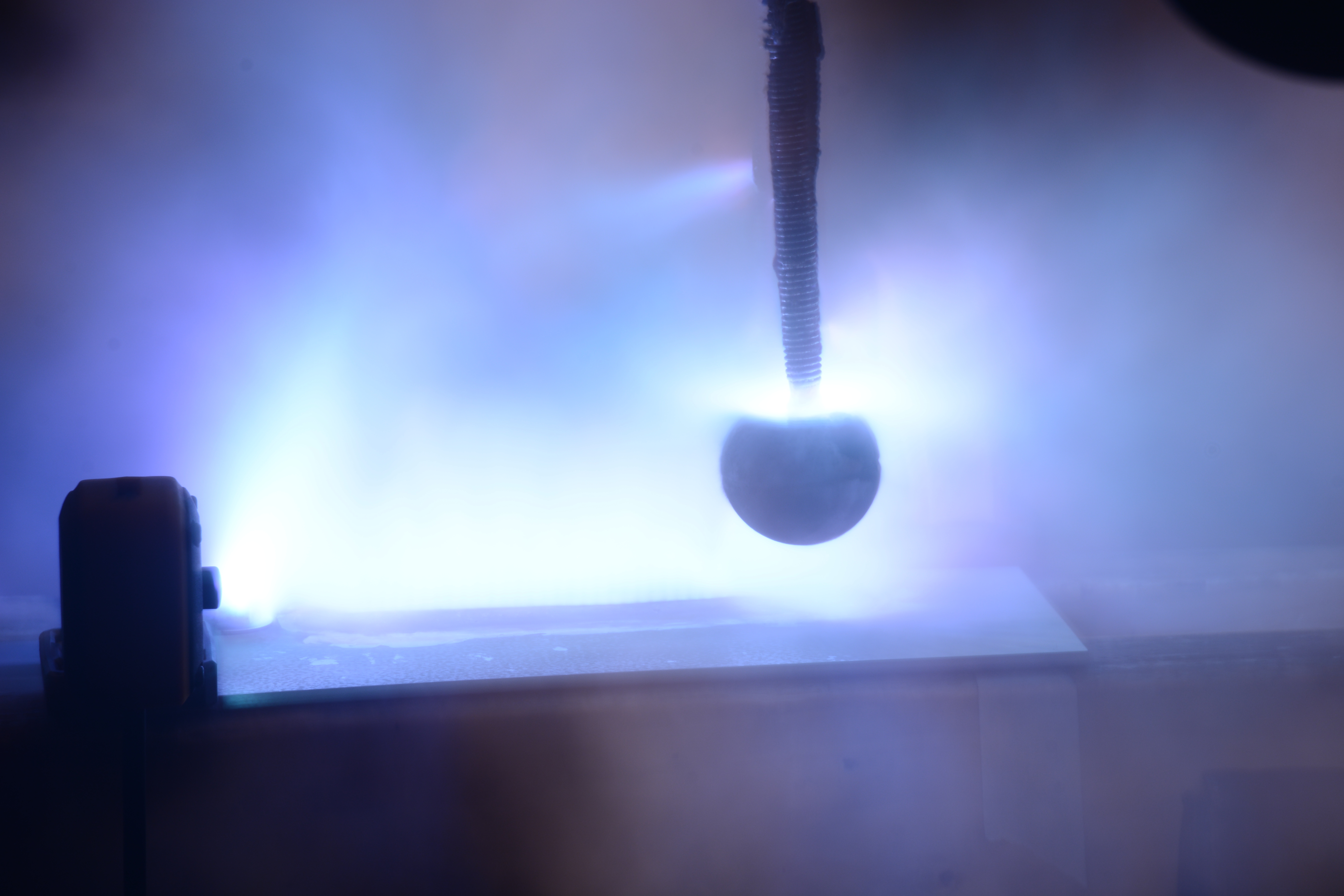
Weather Guard applies this thinking to StrikeTape Ultra, its UV-cure installation method for the StrikeTape lightning protection retrofit.
Durability is an important consideration for blade retrofits because products must withstand rain, wind and heat over long operating periods. Repeated up tower interventions add further cost.
StrikeTape Ultra uses Sunrez UV-cure resin products, which have previously been used for wind turbine blade repairs. According to Weather Guard, the approach provides faster curing for on-blade work and reduces sensitivity to temperature and humidity compared with traditional two-part mixes.
StrikeTape Ultra has been tested for lightning protection, but its value ultimately depends on how effectively it can be applied in the turbine environment.
Making installation part of the business case
Weather Guard says the underlying StrikeTape technology has been deployed on more than 20,000 blades over 15 years, supported by independent test reports. StrikeTape Ultra changes the installation method rather than the lightning protection concept itself.
The company says UV curing provides:
- Faster on-blade installation
- Fewer environmental constraints
- More consistent curing
- Longer material shelf life
- The potential for more turbines to be completed per crew per day
These are company-specific claims and the financial effect will depend on site conditions, labour requirements and individual project economics.
The important point for asset managers is that installation affects the investment case. Reducing the time and complexity involved in applying a retrofit can alter the overall project cost even when the underlying technology remains unchanged.
Engineering is only the starting point
Weather Guard’s broader argument extends beyond lightning protection.
A site team may identify a problem and engineers may validate a technical solution, but neither automatically creates an investable project. Asset managers still need reliable evidence, credible economics and an implementation plan that reflects field conditions.
Without those elements, technically sound proposals can remain at pilot stage or be delayed while damage continues to develop.
The company’s view is that the standard for wind technology has therefore changed. Strong engineering remains essential, but it is increasingly the starting point rather than the differentiator.
For technology providers, understanding how asset managers make decisions may be just as important as demonstrating what the technology itself can do.
Explore the full feature from Weather Guard Lightning Tech on asset management, installation economics and wind turbine lightning protection in PES Wind: https://pes.eu.com/exclusive-articles/the-asset-managers-dilemma