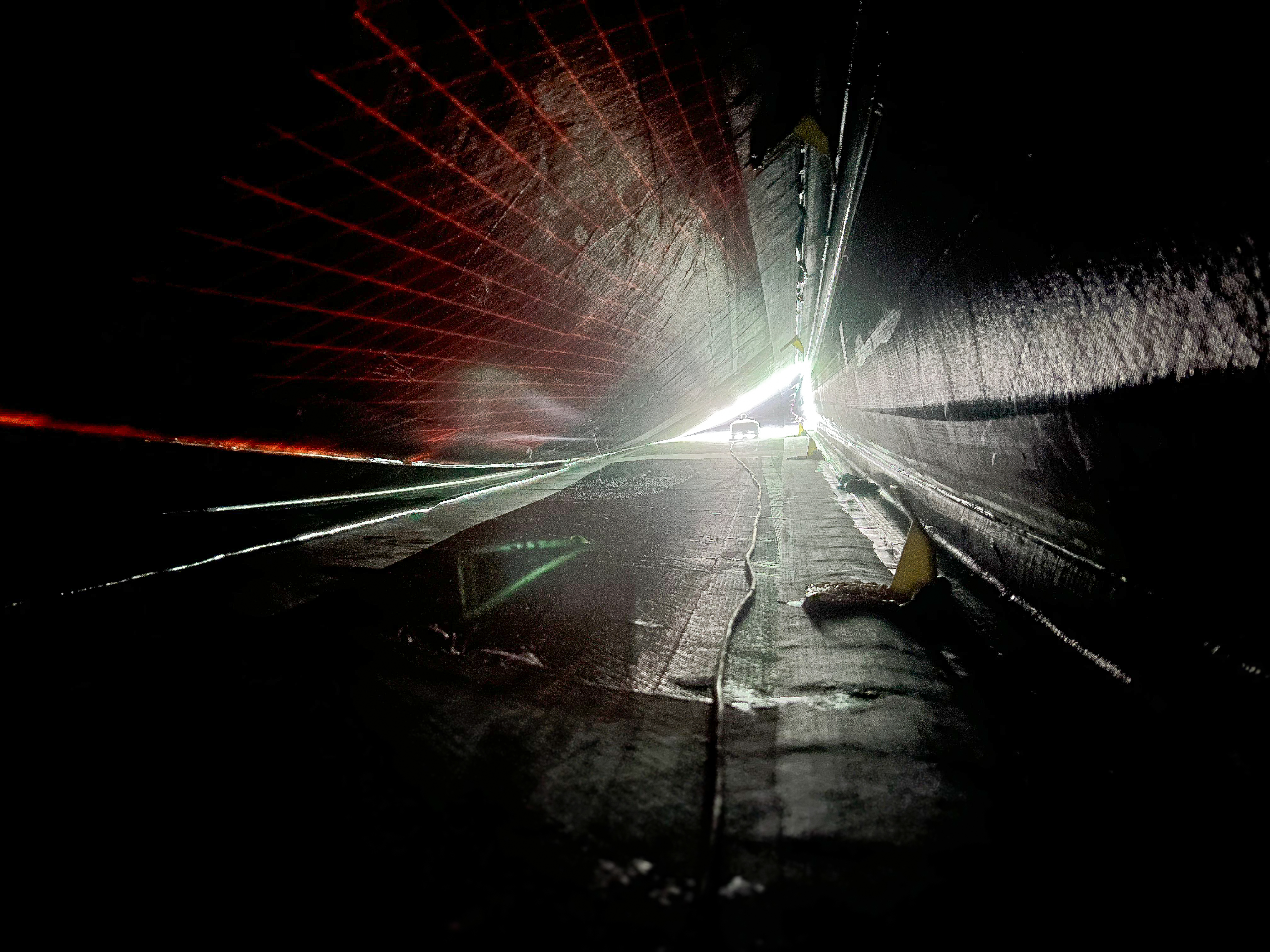
Wind turbine blade repair is a hands-on trade. Technical knowledge matters, but so does knowing what to do when the blade in front of you does not quite match what you learned in the classroom.
Chris Hannon, Head of Global Training Development for WTG, which supplies specialist trainers to Global Blade Service USA, believes good training should go beyond teaching technicians to follow a procedure. They need to understand why a repair method works, recognise when something is going wrong and know when a different approach is needed.
Training technicians to understand the process
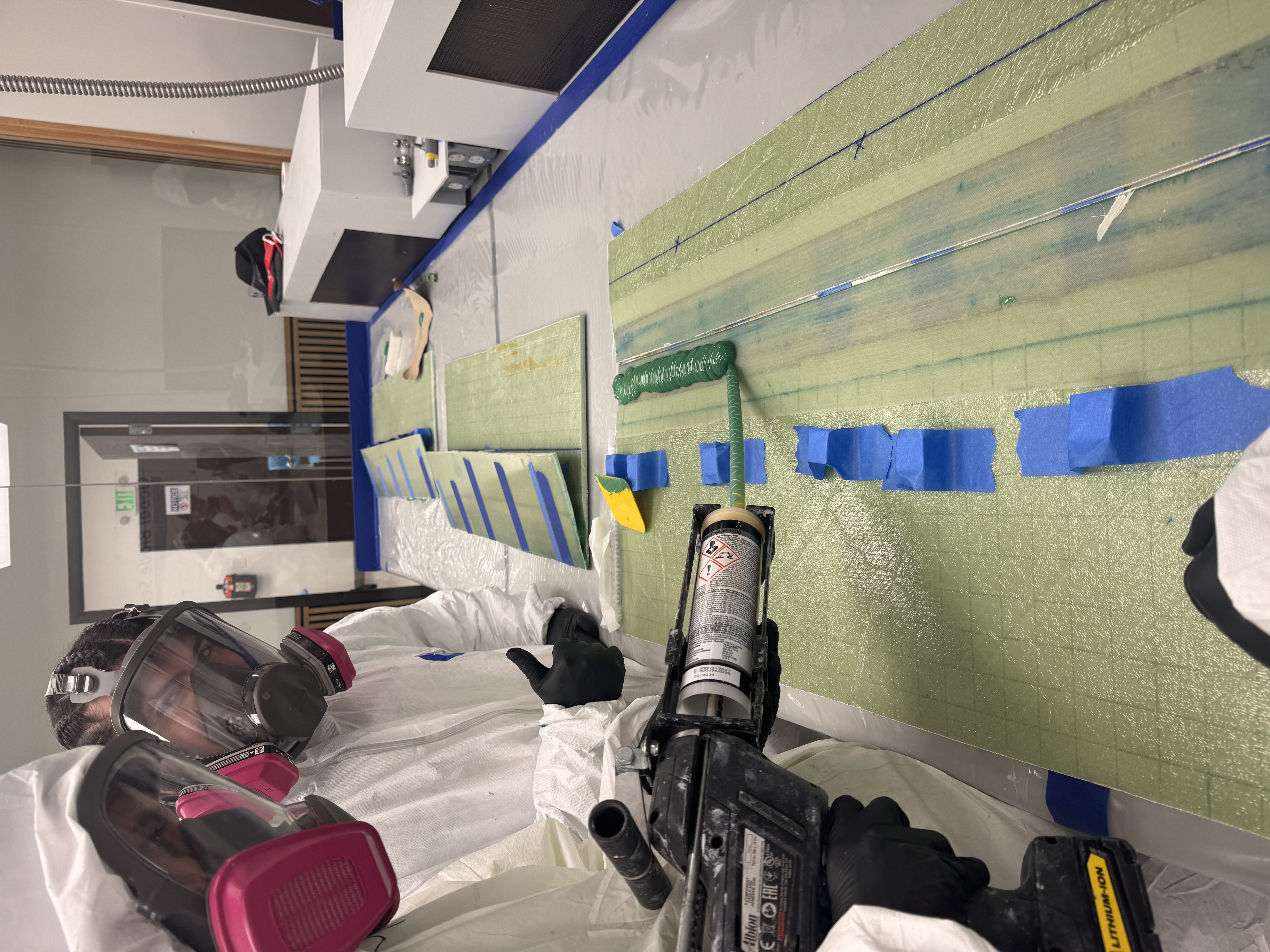
New technicians need to understand concepts including laminate orientation, resin ratios, surface preparation, vacuum consolidation and curing.
The goal is to move beyond following instructions towards understanding how each stage affects the finished repair.
Experienced technicians present a different training challenge. Years in the field provide valuable practical knowledge, but established working methods can sometimes hide gaps in understanding.
Hannon identifies several areas where further training can help:
- Repair techniques and material behaviour
- Correct curing principles
- Laminate preparation
- Resin application
- Vacuum-bagging techniques
- Inspection and quality control
The technology complements field experience by giving technicians more tools and techniques to work with.
Modern blades require different thinking
As blades become larger and structurally more complex, methods developed on smaller blades may not always transfer directly.
Hannon gives the example of an experienced technician who marked the layup from layers found at the centre of a defect and began grinding from the outside in. On a larger blade, this resulted in an oversized repair because the structure contained a more complex build plan.
Working from the inside out provided a different approach. The technician already had the practical skills but needed another method for understanding the larger structure.
This illustrates a wider point: technicians need to recognise when familiar techniques no longer suit the blade in front of them.
Looking beyond the physical repair
Hannon encourages technicians to consider the complete repair rather than treating it as a series of separate tasks.
Before and during a repair, important questions include:
- What caused the damage?
- How far does it extend?
- What is the condition of the surrounding laminate?
- Has the structure been compromised?
- What preparation and consolidation are required?
- How will the finished repair be verified?
Surface preparation influences bonding, while laminate orientation affects reconstruction of the intended structure. Resin application, consolidation and curing also influence the finished laminate.
Documentation is part of repair quality
A technically sound repair also needs evidence demonstrating that the correct process was followed.
Photographs can document preparation and visible laminate quality, but Hannon stresses that additional data is necessary. Temperature and humidity should be recorded, cure data should demonstrate that the specified cycle was followed and samples may be retained for later testing.
This information supports quality assurance and provides a record of how the repair was completed.
Training works both ways
Experienced technicians also bring knowledge back into the classroom. Their questions can highlight situations that do not appear in training manuals and encourage discussion about the strengths and limitations of different repair methods.
For Hannon, this two-way exchange prevents training from becoming too theoretical while also challenging outdated or inconsistent practices.
Materials, equipment and repair systems continue to develop, particularly as blades become larger. No technician therefore reaches a point where there is nothing more to learn.
The goal is to develop technicians who understand the process, can question established methods and have the flexibility to adapt when conditions in the field change.
Read more in the complete PES Wind feature: https://pes.eu.com/exclusive-articles/every-technician-has-something-to-learn










-1.jpg)