As offshore wind farms move further from shore and sea conditions grow increasingly hostile, ensuring safe and efficient technician transfers from crew transfer vessels, CTVs, to fixed monopiles has become a critical operational priority. Traditional mooring and fender solutions have long represented a weak link in maritime logistics, relying on heavy, rigid contact points. These standard systems struggle to absorb relative sea motion, causing excessive impact loads on hulls, stripping monopile coatings, accelerating technician fatigue and demanding high throttle from engines to maintain position.
To eliminate these structural and operational inefficiencies, a revolutionary approach to CTV mooring uses flexible, adaptable landing surfaces bonded directly to the vertical face of the monopile or transition piece. This technical shift completely removes the heavy steel tubes historically used, introducing an intelligent, high-friction interface that allows vessels to safely lock into position with significantly reduced thruster input.
Mitigating dynamic marine loads and shock forces
Operating in open ocean environments subjects vessels to complex combinations of pitch, roll and heave that make personnel transfers highly unpredictable. Even modest sea states generate sharp force spikes that strain hulls and structural components. Advanced, adaptable landing surfaces counter these dynamic threats by acting as a high-performance cushion:
- Shock load absorption: Flexible contact surfaces actively smooth out bilateral stress by absorbing minor vertical and lateral wave movements during engagement.
- Rapid position stabilisation: Reducing vessel bounce and slip enables faster hull stabilisation, providing technicians with a highly predictable, stable boarding platform.
- Extended operational windows: By dampening dynamic interactions, these mooring systems allow safe operations to continue in rougher sea states, safely expanding the wind farm's logistical windows.
Lowering fuel consumption and operational expenditure
Traditional station-keeping requires engines to fight constantly against wind, waves and currents, forcing higher throttle levels that accelerate engine wear and drive up fuel burn. Providing a secure lock point minimizes the power output needed from CTV thrusters.
This optimisation delivers immediate economic and environmental savings. Lower throttle requirements translate directly into decreased daily fuel consumption and reduced carbon emissions, cutting operational expenditure while lowering the broader carbon footprint of offshore maintenance campaigns. Over the multi-decade lifecycle of a commercial wind farm, these small efficiencies accumulate into major asset management savings.
Material innovation and circular economy integration
Modern landing systems complement physical safety with strict environmental responsibility by moving away from traditional pure petrochemical formulations. Many advanced components now integrate high-performance bio-based and renewable materials that maintain structural integrity while lowering reliance on fossil inputs.
Furthermore, these systems are engineered for end-of-life recovery. Designing modular interfaces for straightforward recycling ensures seamless compliance with international offshore decommissioning and waste disposal regulations, supporting a circular economy framework from early deployment to final removal.
Seamless workflow integration and asset surveys
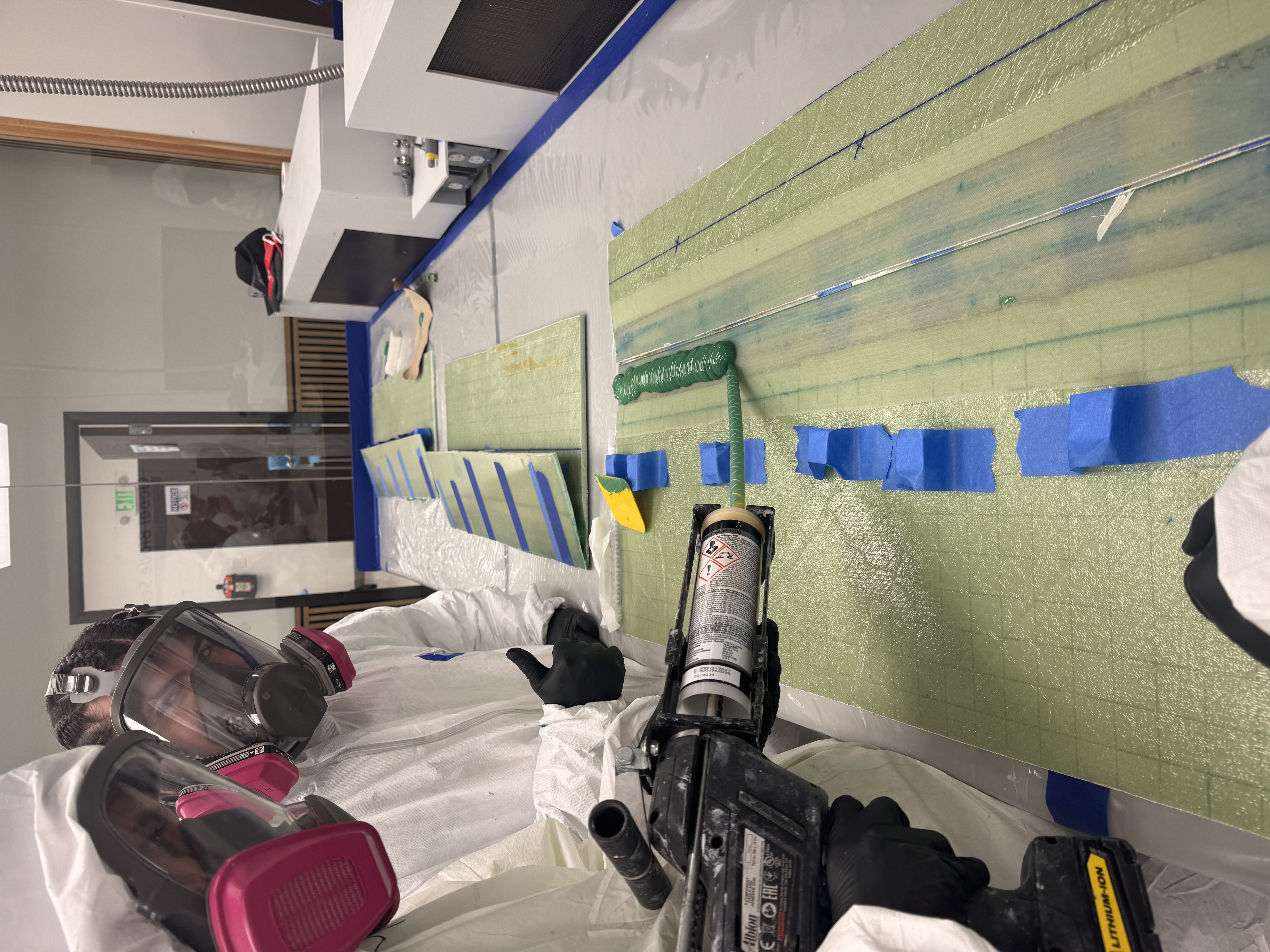
To prevent project delays, next-generation landing systems are designed to integrate into existing offshore construction workflows using standard marine techniques. Modular components enable rapid lifting, alignment and bonding to standard monopile steel and marine coatings during typical assembly windows without requiring specialist tooling. Once deployed at sea, the systems require minimal upkeep and can be visually verified during routine, scheduled offshore asset surveys, providing lasting operational confidence to field operators and maritime crews alike.
How is your offshore logistics team adapting its CTV mooring strategies to mitigate vessel wear and optimise fuel efficiency during rough sea transitions? Share your thoughts in the comments below.
Looking for the full technical breakdown? To read the complete industrial insight on high-friction landing materials and advanced offshore mooring systems, visit the official Buoyant Works website: https://pes.eu.com/exclusive-articles/revolutionising-crew-transfer-vessel-mooring-on-offshore-monopiles