Exclusive Articles
There is No Planet B: Why Sustainability is Reshaping Wind Energy Maintenance
Published in: Wind, Digital Blog

Sustainability is driving change in wind energy. Joel Cox, Global Sales Director (Wind) at Dellner Wind, explores how refurbishment and smart component replacement are reshaping the industry.
"You heard it here first: my next car will be electric," Cox begins. It's a statement that reflects a broader shift, even as sustainability remains a "work in progress" on both sides of the Atlantic. While Europe generally leads in embracing these principles, recent market fluctuations—like Vestas pausing a major factory in Poland—highlight the ongoing tension between green ambition and economic reality.
Wind energy stakeholders must be bifocal: driving uptake within the industry while championing renewables as a beacon of genuine change.
From Blueprint to Green Print
Wind energy workers are living by a green code few other industries can match. But it goes beyond just generating clean power; it’s about how we operate.
- Corporate Responsibility: Dellner has appointed a sustainability officer to ensure efforts are data-driven and science-based, aiming to lower emissions in line with the Paris Agreement.
- Supply Chain Influence: We encourage suppliers to adopt the same rigorous environmental principles, proactively complying with legislation.
- Cultural Shift: Sustainability impacts employee motivation and brand strength. It builds trust, fostered by mechanisms like whistleblowing systems to correct behavior that runs counter to these values.
The Case for Repair vs. Replace
Sustainability is a major driver for repairing or refurbishing products rather than disposing of them. But there's an economic incentive too, especially in the US, where avoiding high tariffs on new goods makes refurbishment attractive.
Consider this: you wouldn't scrap a car just because it needs new tires. A wind turbine's service life might be 20-30 years, but most need significant help to pass the 25-year mark.
- Aging Fleets: In Europe, nearly 35,000 turbines are over 15 years old.
- Repowering: Upgrading existing turbines with newer, more efficient technology is spiking. In the US alone, 14 GW of wind projects have been overhauled, with another 16 GW expected by 2026.
Smart Component Replacement
Repowering doesn't always mean full replacement. Often, upgrading key components like gearboxes, blades, or control systems boosts efficiency significantly.
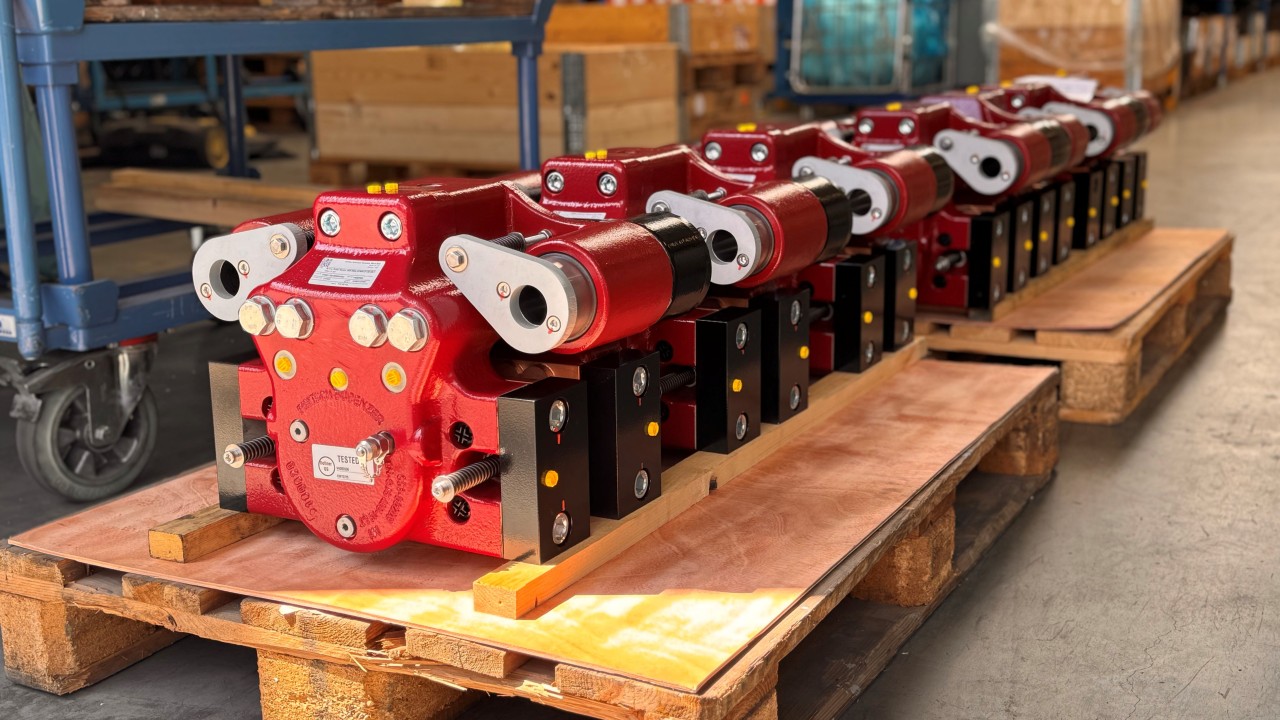
- Heavy-Duty Brakes: Brake refurbishment is a prime option, as frames often outlive the turbine itself. Innovating on brake pad materials helps extend service life even further.
- Strategic Swaps: In some cases, swapping old components for new ones with a rebate is the best solution, especially when older models are no longer in serial production.
Whether driven by sustainability, economics, or both, repair and refurbishment are becoming central to the wind industry. As technology evolves, proactive maintenance and smart component replacement will only grow in importance for keeping wind farms productive and competitive.