As wind power becomes a cornerstone of our energy system, the industry is grappling with a familiar challenge: intermittency. Grid congestion and negative electricity prices, caused by generation peaks during low demand, are impacting the profitability of wind projects. The solution, as the rapidly maturing solar sector demonstrated clearly at Intersolar Europe 2025, lies in hybridization.
Combining generation with battery storage is no longer a niche concept—it may soon be the industry standard. This article explores the key takeaways discussed at the event and what they mean for the future of wind energy.
A Shared Challenge: The Cost of Intermittency
The rapid expansion of renewables is creating structural issues in our energy systems. In mature markets, this is leading to a paradoxical situation where an abundance of clean energy can drive spot prices into negative territory.
"In Germany, between noon and 2pm, 20 percent of all hours saw negative electricity prices in 2024," explains Kai Becker of Energy2market. This means that for a significant portion of peak production time, operators were effectively paying to put electricity on the grid. This is a financial reality that impairs the profitability of both solar and wind projects.
The clear message is that we must think systemically and promote integration. The most powerful way to achieve this is through hybrid power plants. By combining a wind or solar farm with a battery energy storage system (BESS), operators can store electricity during times of low or negative prices and sell it at a profit when demand is high.
A Blueprint for Success: The UK's Hybrid Lead
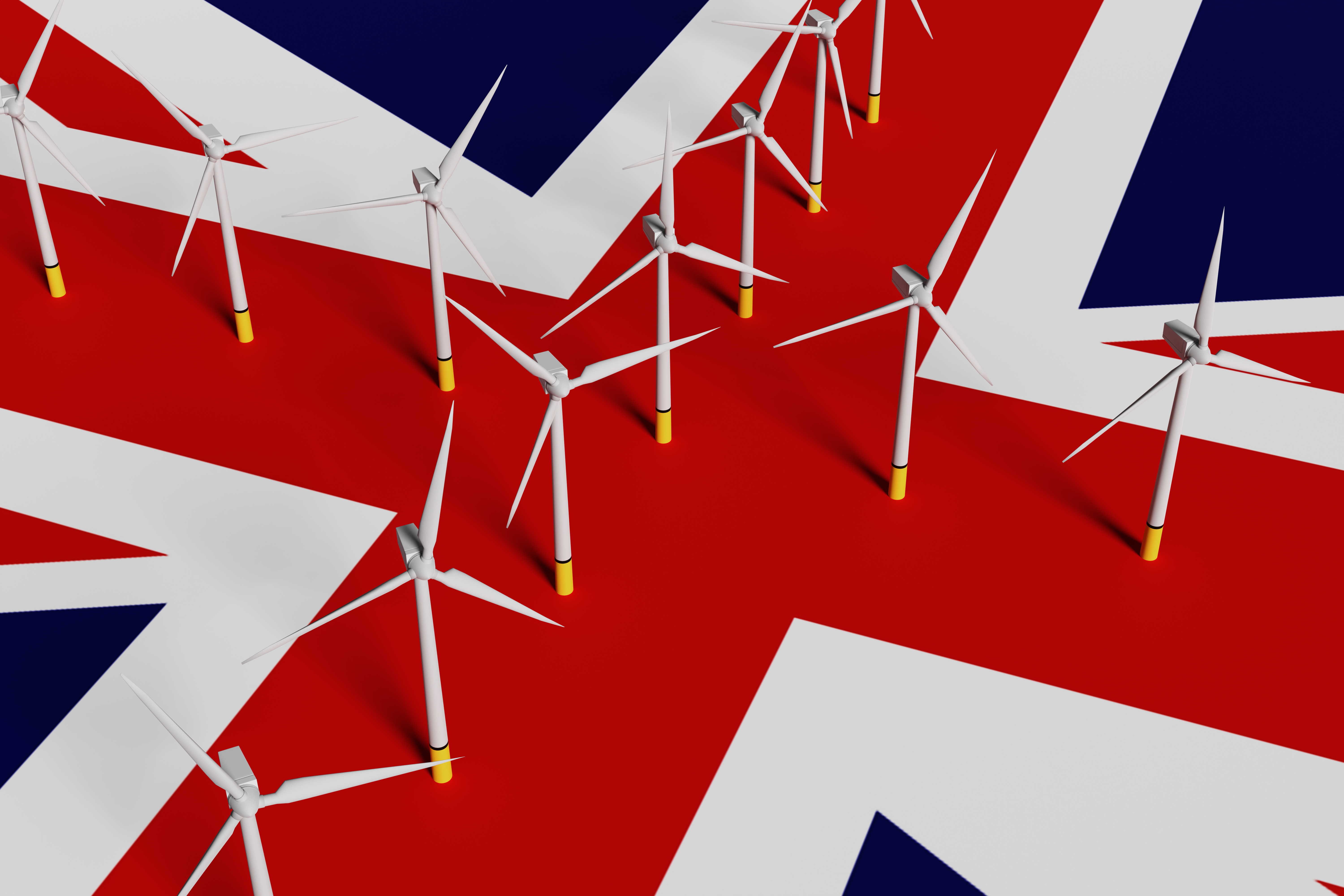
Across Europe, hybrid power plants are gaining importance, and the United Kingdom is leading the way, particularly in the solar sector. In 2015, only 5% of European battery storage systems were co-located with PV. Today, the UK accounts for a staggering 62% of all installed PV+BESS capacity.
The UK's success demonstrates how targeted policy can accelerate growth10. Key drivers include:
- Favorable Funding: Instruments like the Capacity Market and the Contract for Difference (CfD) system created a stable investment environment.
- Streamlined Regulation: Accelerated approval processes and reforms improved the integration of battery storage into the grid.
In contrast, the potential of hybrid systems remains largely untapped in many other parts of Europe, highlighting a massive opportunity for growth if regulatory hurdles can be overcome.
The Million-Dollar Question: Should Batteries Charge from the Grid?
A key reason for the slower development in many countries is a tricky regulatory question: should subsidized hybrid plants be allowed to charge their batteries with power from the grid?
Currently, this is limited in many European countries due to subsidy rules that require storage to be charged only with on-site renewable electricity. This affects profitability because it prevents operators from tapping into key business models, like buying cheap grid power during off-peak hours to sell later. The lack of a clear methodology to distinguish grid power from renewable power for charging subsidized systems is a major barrier.
Experts agree that allowing flexible use of battery storage, including grid charging, would not only boost the profitability of hybrid systems but also provide sorely needed flexibility to stabilize the grid.
New Business Models for a New Era
As the market evolves, two primary business models for hybrid plants are emerging:
- Energy Arbitrage: This involves flexibly charging and discharging the battery to trade electricity on the power exchange for profit. With battery prices dropping and market spreads widening, arbitrage is becoming a financially promising option. However, its reliance on unpredictable market dynamics makes it difficult to secure financing.
- Grid Ancillary Services: As fossil fuel plants are phased out, renewables are increasingly called upon to provide grid stabilization services like inertia, frequency control, and voltage support. The dispatchable nature of batteries makes hybrid plants perfectly suited for this role, replacing the inertia traditionally provided by fossil fuel generators. Markets for these services are being created in countries like Germany, Spain, the US, and the UK, offering a predictable, continuous source of revenue that makes projects more bankable.
Advanced software solutions are also emerging to help operators switch between direct marketing, arbitrage, and grid services for maximum financial benefit.
Regulatory Hurdles Still Stand in the Way
Despite the clear benefits, hybrid power plants still face significant regulatory obstacles in many regions. These include:
- A lack of targeted support schemes and feed-in tariffs for combined generation and storage.
- Approval processes not designed for adding storage to existing sites or expanding capacity.
- Dual grid charges (fees for both charging and discharging storage) in some countries.
- Obsolete systems for guarantees of origin (GOs) that complicate selling certified green power if grid charging is involved.
Addressing these issues, potentially through precise measurement solutions to differentiate stored energy sources, is critical to unlocking the full potential of hybrid wind and solar projects and enabling new PPA structures.







(1)_wide-1.png)