Wind has proved its technical viability and is delivering a substantial share of electricity generation across parts of Europe. The challenge now is whether the infrastructure and systems around turbines can keep pace with deployment ambitions.
Global wind installations reached a record 165 GW in 2025, while wind now supplies around 20% of Europe’s electricity. Yet attention is increasingly shifting from turbine technology towards grids, ports, permitting, vessels, finance, supply chains and workforce capacity.
The grid question
Grid infrastructure is becoming one of the defining constraints on wind development. Projects may secure planning approval and investment, but connecting new generation can involve lengthy delays, transmission upgrades and uncertainty around curtailment and reinforcement costs.
For offshore wind, the challenge becomes more complex as projects move further from shore and into larger development zones. This increases demands on export cables and offshore transmission infrastructure.
The issue is increasingly one of coordination. Grid development can no longer simply follow generation projects. Transmission and renewable capacity need to progress together, requiring closer cooperation between developers, transmission operators, regulators and governments.
Ports and vessels under pressure
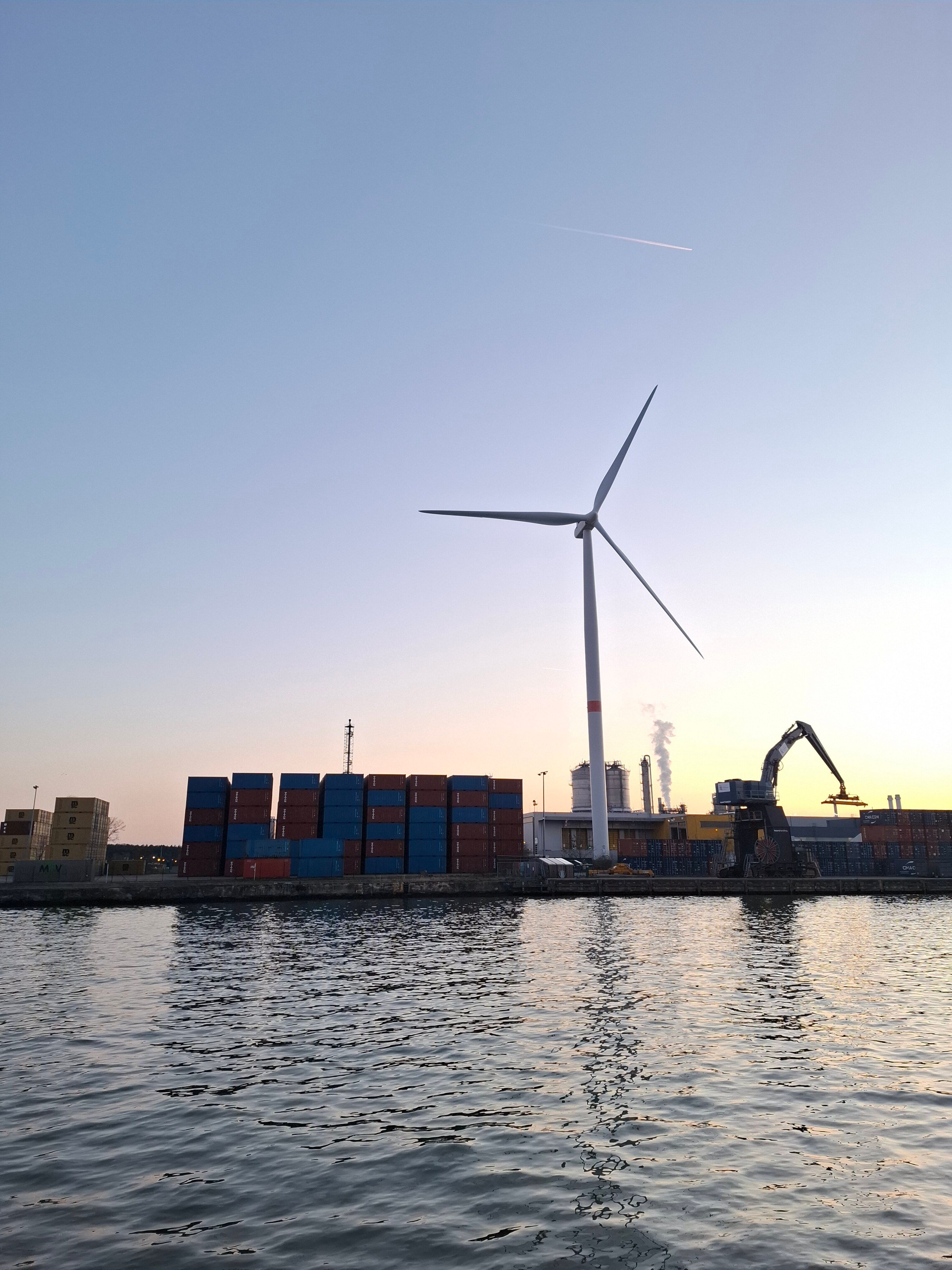
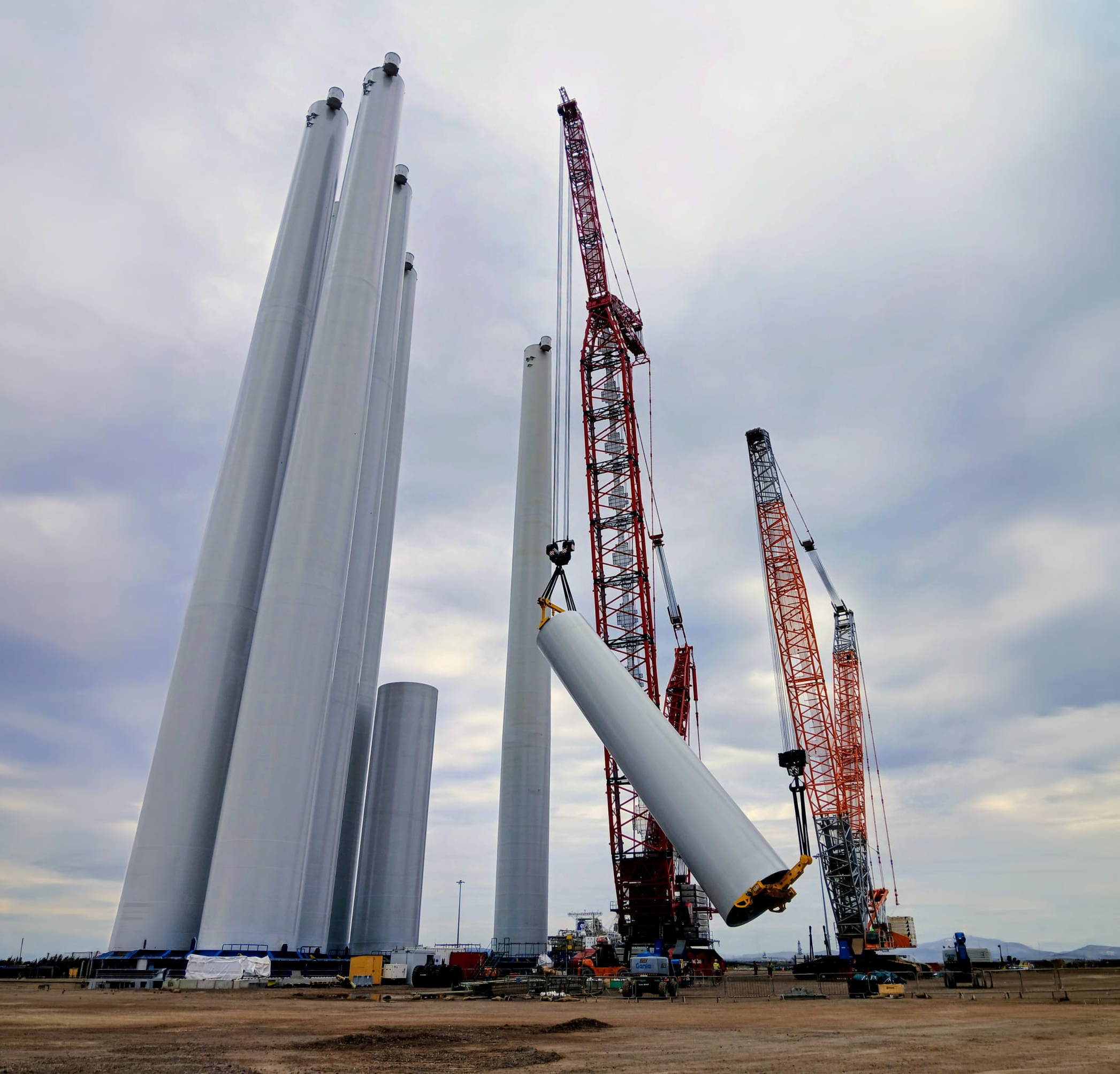
Offshore wind’s physical infrastructure is facing similar challenges. Larger blades, heavier nacelles and more specialised installation processes require ports with suitable:
- Quayside capacity
- Storage and assembly areas
- Heavy-lift capability
- Supporting infrastructure
Many existing ports were designed for smaller components and require substantial investment to accommodate newer turbine generations.
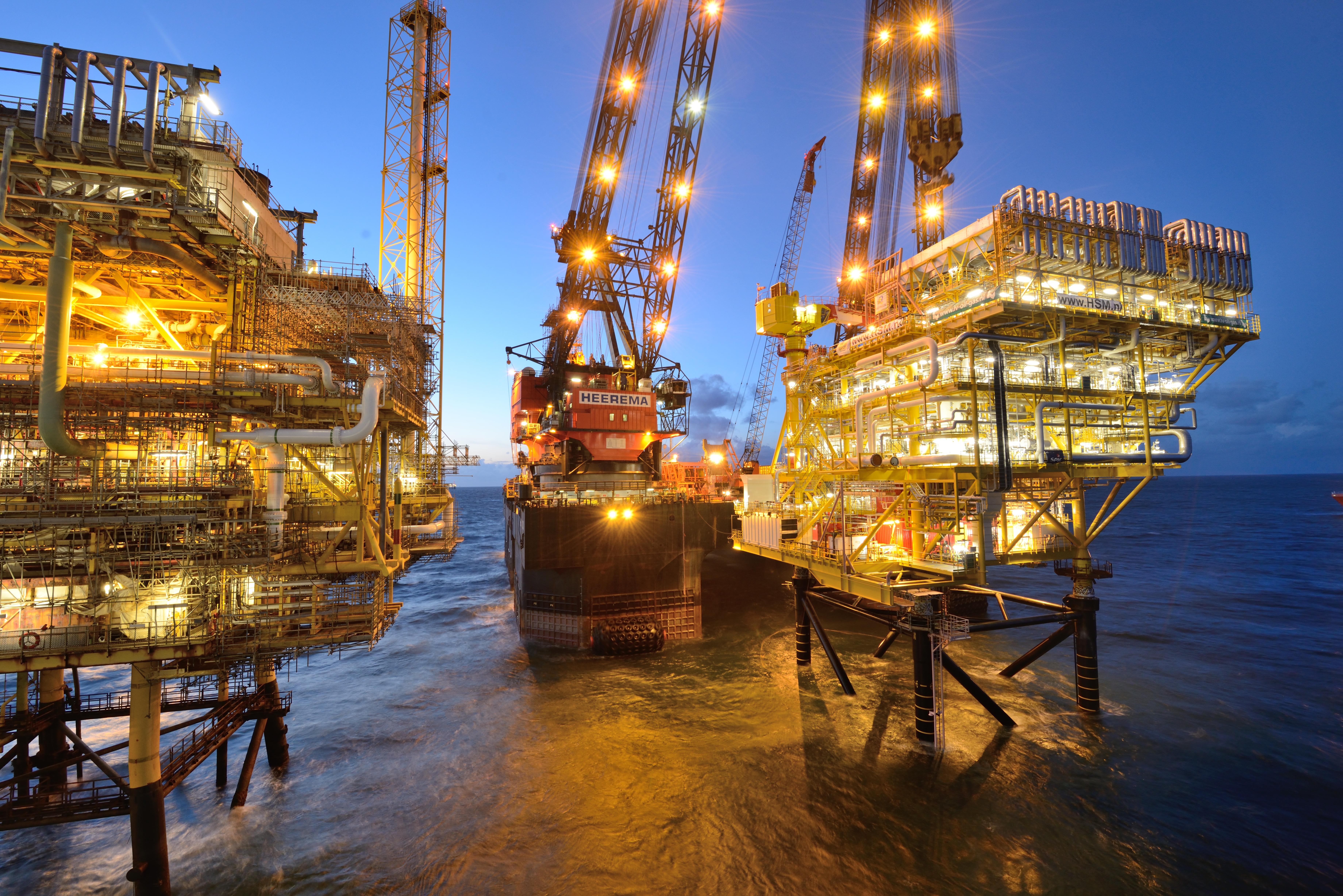
Vessel availability is another concern. Installation vessels, heavy-lift assets and service operation vessels are seeing increased demand as offshore wind develops across multiple international markets simultaneously.
Manufacturers and suppliers are also dealing with the effects of inflation, material costs and previous supply chain disruption. Cost reduction alone is no longer an adequate measure of success. Reliability, visibility and long-term investment confidence are becoming equally important.
Permitting must keep pace
Most major energy markets have ambitious renewable energy targets, but translating them into operating projects depends on planning and approval processes.
Environmental assessments, marine licensing, grid approvals and local consultation can all extend development timelines. Reform is receiving greater political attention across Europe, but faster permitting must still maintain environmental standards and meaningful local engagement.
This is particularly important offshore, where projects increasingly interact with fishing, shipping, defence interests and coastal communities.
People remain essential
Workforce capacity is another less visible constraint. Wind requires specialist expertise across engineering, construction, operations, digital systems, high-voltage infrastructure and offshore logistics.
The challenge is not simply recruiting more people. The industry also needs effective training routes, long-term workforce planning and mechanisms to retain experienced personnel.
Offshore wind investment can support regional employment, manufacturing and port regeneration, but this also creates expectations around domestic supply chains and local participation.
The energy transition is therefore becoming as much about people and infrastructure as technology.
Finance reflects industrial reality
Offshore wind finance has also entered a different phase. Higher interest rates, inflation and supply chain pressures have changed project economics, with some developments requiring renegotiation or restructuring as costs moved beyond earlier assumptions.
Investor appetite remains, but the emphasis is shifting towards more realistic financial frameworks and stable policy support.
Auction design is part of that discussion. Procurement systems need to balance competitive pricing against supply chain sustainability, domestic investment and confidence that projects can actually be delivered.
Taken together, these pressures indicate that wind is entering a more operational era. The industry no longer needs to prove that turbines work. Instead, it must demonstrate that the wider system can support the planned level of deployment.
That means sufficient grid capacity, capable ports, available vessels, stable supply chains, efficient permitting, trained workers and financial structures that reflect industrial conditions.
The wind industry spent years proving it could build larger projects and increase generating capacity. Its next test is whether everything around the turbine can keep pace.
Read the full PES Wind feature on grids, ports, permitting, vessels, finance and workforce capacity: https://pes.eu.com/exclusive-articles/winds-next-bottleneck-is-the-system-around-the-turbine