As Europe reinforces its commitment to decarbonisation, energy storage has emerged as one of the continent's most strategic assets. Nowhere is this more evident than in the Baltic States, where significant geopolitical challenges highlight the need for renewable integration, energy security and grid resilience.
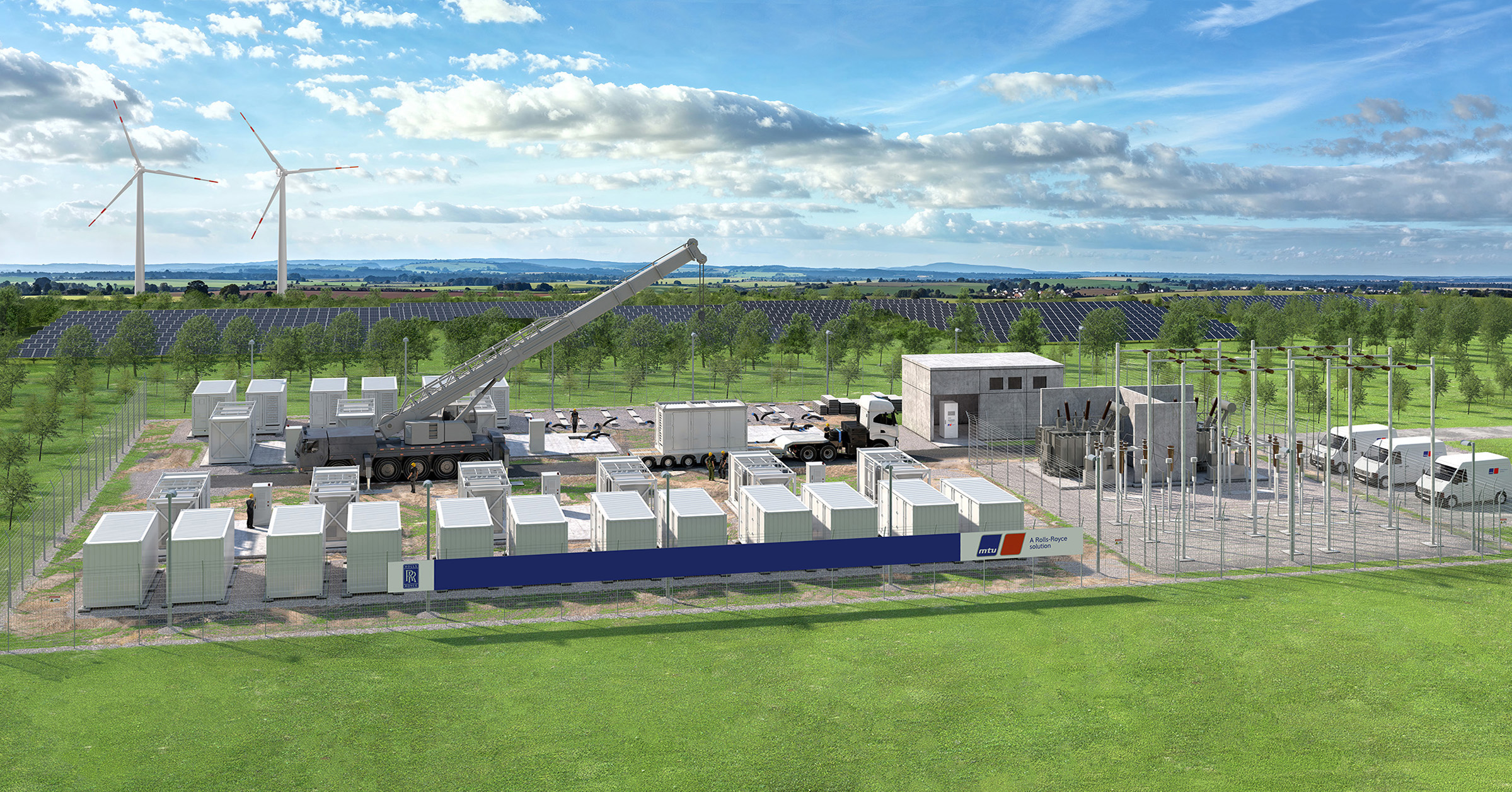
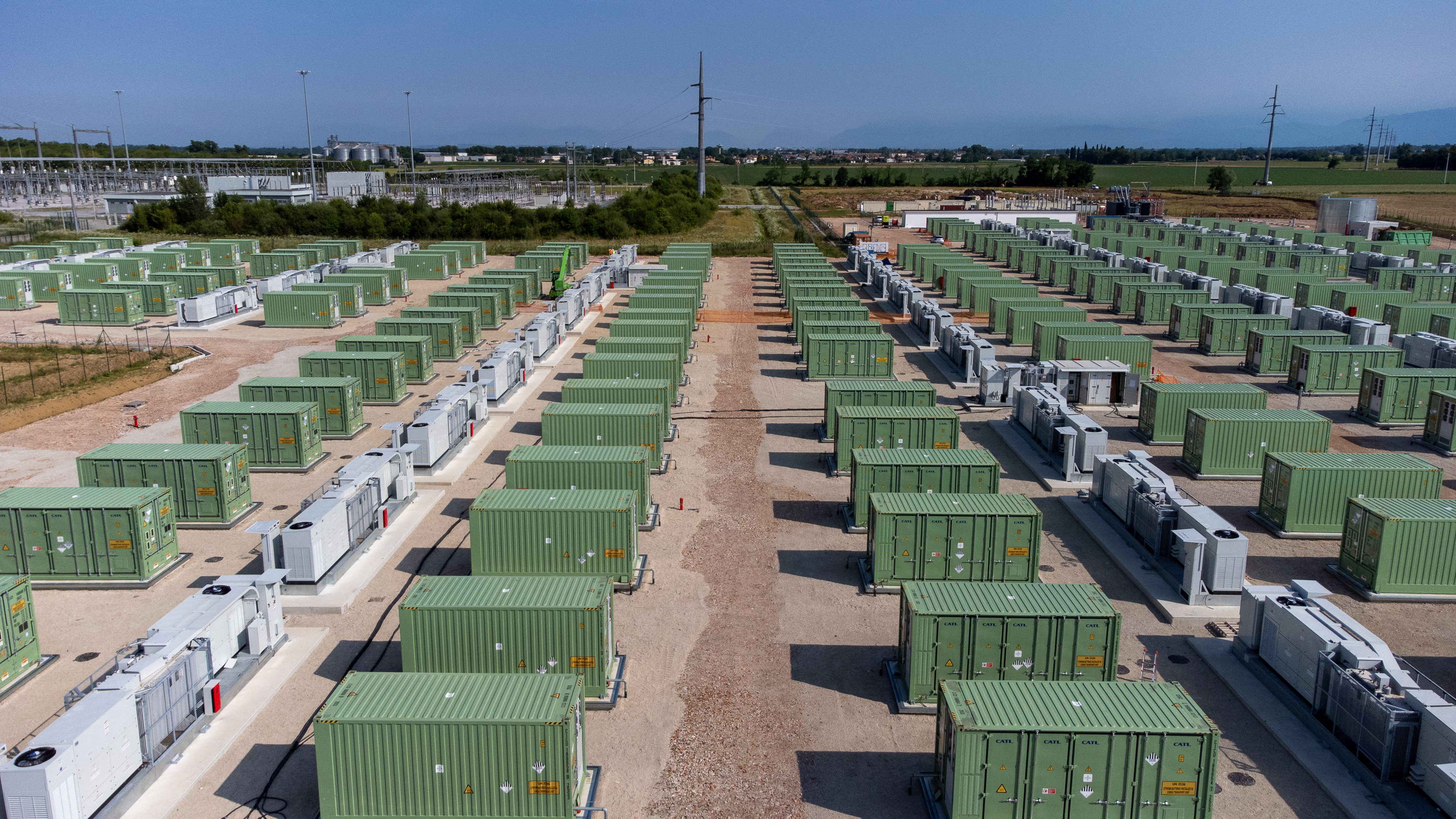
Lithuania's latest milestone, a 291 MW/582 MWh Battery Energy Storage System (BESS) project, stands out as a landmark initiative aiming to strengthen the country's security while advancing the green transition.
Led by Ignitis Group and integrated by Rolls-Royce's Power Systems division, the large-scale battery storage systems from the mtu EnergyPack brand will be deployed across three strategic locations: Kelmė and Mažeikiai wind farms and the area surrounding the Kruonis Pumped Storage Hydroelectric Power Plant.
At the centre of this complex infrastructure programme is Nidec Conversion, whose integrated power units serve as the grid-facing core of the storage system. Combining a Power Conversion System (PCS), transformer and medium voltage switchgear, these units provide the essential interface that controls battery discharge safely and functionally to support grid stability.
The critical electrical layer handled by integrated power units
The ability to charge, discharge, modulate and stabilise grid conditions depends heavily on robust supporting electrical systems. Nidec Conversion's power units perform this critical function through a compact, skid-mounted configuration that unifies three major components:
- Bi-directional energy flow orchestration: The Power Conversion System (PCS) enables efficient, bi-directional energy flow between the battery systems (DC) and the transmission grid (AC). Its design directly dictates conversion efficiency, rapid frequency response and compliance with stringent European grid codes.
- Replicating traditional synchronous inertia: As conventional fossil fuel units retire, they take with them the rotating mass that inherently resists sudden frequency changes. The advanced PCS serves as one of the few viable technologies capable of replicating these stabilising characteristics in an inverter-based system.
- Withstanding fast-cycling thermal stress: The integrated transformer safely elevates the battery output to medium-voltage grid levels. Its specialized engineering is uniquely built to withstand fast electrical cycling and significant thermal variation.
- Ensuring secure protection selectivity: The medium voltage switchgear allows the BESS to safely connect and disconnect from the network, maintaining protection selectivity and isolating faults instantly during systemic disturbances.
- Minimizing utility-scale deployment footprint: Packaging these three components onto a unified physical skid dramatically reduces site footprint, speeds up installation timelines and streamlines commissioning.
The growing importance of grid-forming capability in modern power systems
Grid-forming capability has emerged as a fundamental technical need in high-renewable power systems. While traditional inverters are grid-following, meaning they synchronise with an existing grid structure and inject power accordingly, grid-forming units actively create and maintain a stable voltage and frequency reference, effectively forming part of the grid's backbone.
- Mitigating low synchronous inertia vulnerabilities: While Lithuania is connected to European networks, it has historically operated with limited synchronous inertia. With a growing share of wind and solar energy, the system increasingly depends on fast-acting resources to maintain stability during sudden disturbances.
- Behaving like classical synchronous generators: By capitalising on grid-forming capabilities, BESS infrastructures can mimic the behaviour of classical synchronous generators, delivering a vital stabilising effect across the evolving Baltic landscape.
- Deploying virtual synchronous machine features: Stemming from decades of experience in heavy-duty industrial power electronics, Nidec Conversion's PCS supports grid-forming solutions through virtual synchronous machine (VSM) behavior, primary frequency response, enhanced voltage control and independent black-start capabilities.
- Enduring harsh environmental conditions: Lithuania's climate features wide variations in temperature and extreme winter conditions, placing immense physical pressure on outdoor electrical infrastructure.
- Leveraging heavy-duty industrial lineage: Drawing on a design lineage developed for industrial automation, marine propulsion and heavy-duty power quality equipment, these units provide robust thermal management and fast fault detection to guarantee long-term operational stability under any grid condition.
A multilayered collaboration for a new type of grid
No single organisation can master every layer of today's grid transformation, making cross-industry collaboration a necessity for utility-scale success. Expected to be fully operational by 2027, the 291 MW/582 MWh BESS project creates a collaborative blueprint for managing the typical fluctuations of high-penetration renewables across Europe:
- Strategic integration and leadership: Ignitis Group provides the overarching strategic direction and regional utility leadership for grid integration.
- Intelligent fleet energy management: Rolls-Royce's Power Systems division supplies the core battery storage systems managed by its in-house developed mtu EnergetIQ Manager. This intelligent platform simultaneously controls both power supply and storage across the battery parks and connected wind farms.
- Advanced grid interface technology: Nidec Conversion delivers the crucial power electronics and grid-forming interface technology required to stabilise voltage and frequency.
- Eliminating wind and solar curtailment: When fully commissioned, the combined system will actively reduce the unnecessary curtailment of wind and solar assets, improving renewable efficiency and enhancing national security of supply.
How is your utility grid integration team evaluating grid-forming storage architectures to replicate traditional inertia and enhance security of supply? Share your thoughts in the comments below.
Looking for the full technical breakdown? To examine the complete performance metrics of Nidec Conversion's PCS units and explore the mtu EnergetIQ control platform, visit the official Nidec Conversion website: https://pes.eu.com/exclusive-articles/the-bess-advantage-powering-a-more-sustainable-and-resilient-energy-system-in-lithuania