Exclusive Articles
Powering growth, innovation, and sustainability
Published in: Solar, Digital Blog
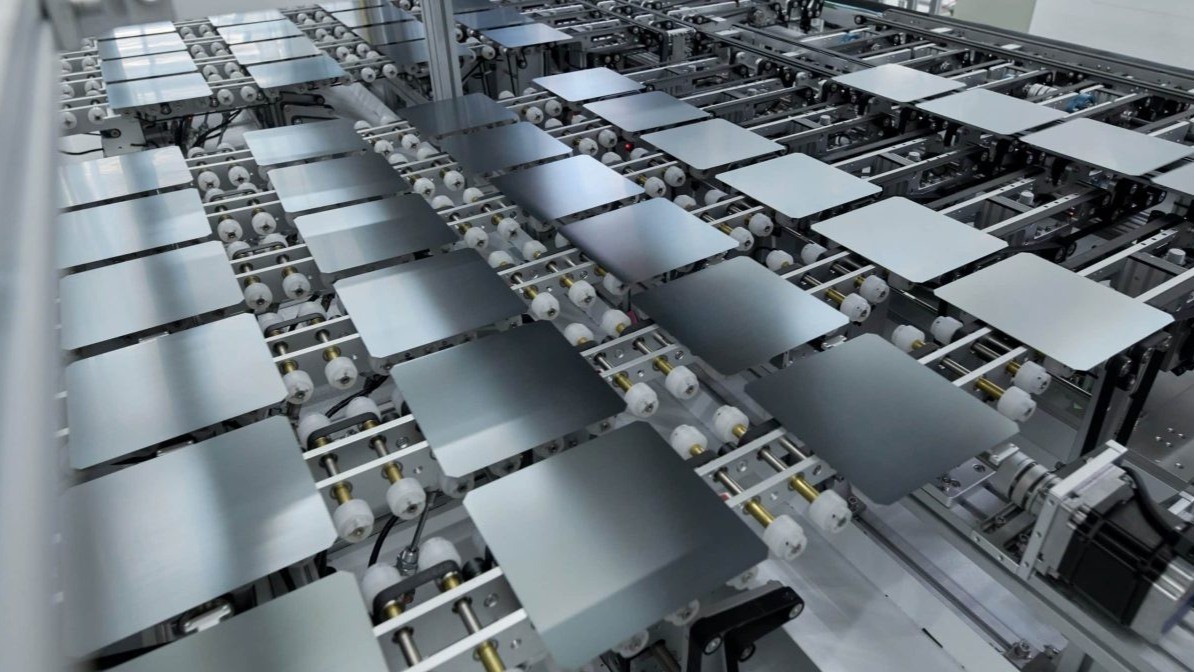
In a revealing discussion with Lin Sun, Head of Sustainability Development at JinkoSolar, she shares the strategic decisions that led to its impressive market share in 2023. How does the company maintain quality standards, what is its global positioning, and what’s the secret to balancing sustainability with growth?
PES: Welcome to PES Solar Lin. Let’s start by discussing JinkoSolar’s performance in 2023, especially considering that it concluded the first quarter with a 15% market share in the PV module sector.
Lin Sun: As of the end of 2023, JinkoSolar’s products and services have reached over 3,000 clients across more than 190 countries and regions, with a cumulative shipment volume exceeding 210 GW.
In 2023, achieving a 15% market share was a significant milestone, underscored by strategic expansion and product innovation. This growth is a testament to our unwavering commitment to R&D, innovation, quality, smart manufacturing and our ability to meet the diverse needs of clients globally.
Our strategic investments in R&D, coupled with a focus on expanding our client base, have been instrumental in reaching this milestone.
Our leadership position is based on major differentiated competitive advantages and long-standing business strategies. We stand out in the competition due to our leadingedge technology, for instance, TOPCon cell technology, exceptional vertical-integrated manufacturing capabilities, global layout, and robust industry ecosystem.
Additionally, JinkoSolar has been proactively taking actions on sustainable development over years. We believe that sustainability is not just a marketing campaign but a key driver of market competitiveness in the renewable energy sector.
PES: The subsequent quarter was also good for your business, wasn’t it, particularly as it marked the first time your company surpassed 200 GW in module shipments. Could you share more details about this achievement and how you managed to reach this milestone?
LS: Yes, the subsequent quarter was indeed successful. Surpassing 200 GW in module shipments was a significant milestone for us, reflecting our commitment to quality, scalability and sustainability.
This achievement was possible due to our strategic expansion in key markets, enhanced manufacturing capabilities, strong partnerships across the supply chain and special focus on sustainability development.
To highlight, China is the largest single market where JinkoSolar enjoyed a steady growth of shipment and market share. In Europe, our annual shipment is leading the industry in both utility and distribution markets.
Additionally, our focus on ESG management and achievements appealed to a broad client base, contributing further to this remarkable volume of shipments.
PES: Your success in adapting to market conditions with agility, resilience, and strength is evident, particularly in how you transitioned from poly to mono production to capitalize on the growth opportunities for mono. How have such strategic decisions contributed to your leading status in the global solar industry?
LS: Thank you for highlighting this important transition. Our strategic decision to shift from poly to mono production was driven by a clear understanding of the industry technical advantages and market trends.
Leading the industry, we were the first to pivot to mass mono production with our Cheetah Series, which won a highly successful market reaction. Thus, this move has been pivotal in consolidating our leadership in the global solar industry.
Further, standing on top of technology innovation, JinkoSolar advances TOPCon cell technology and applies it to our highefficiency solar modules, aligning with our commitment to leading the industry in technological advancements.
I’d like to elaborate on how this aligns with our logical framework of technical achievements enhancing product efficiency, client profitability, and brand influence. This decision was anchored in technical innovation, focusing on producing higherefficiency mono panels. These panels not only deliver better performance but also enhance the energy yield for our clients’ solar projects, contributing to their profitability. By consistently providing high-quality, high-efficiency products, we’ve not only met but exceeded client expectations.
This has enhanced our brand’s reputation and fostered client loyalty, further solidifying our market position. Our ability to anticipate and respond to market needs, and lead in technological advancements, cements its status as a front-runner in the solar energy sector.
PES: Can you provide an overview of your production facilities and the methods you employ to maintain high quality standards?
LS: Our commitment to maintaining high-quality standards in our production facilities is driven by a comprehensive and systematic approach. We start with robust design quality engineering, where advanced risk assessment and quality control methodologies are applied to ensure product excellence right from the development stage.
This is complemented by stringent supplier management, ensuring that all materials meet our high standards. During the manufacturing process, we implement meticulous quality control measures at each stage, backed by responsive customer feedback systems for continuous improvement.
Adherence to international quality management standards is a cornerstone of our operations, guaranteeing consistency and reliability. Additionally, our dedication to sustainability is interwoven throughout these processes, from energy efficient production practices to responsible supply chain management, ensuring that our high-quality standards also support environmental stewardship. This holistic approach positions us as a leader in the solar industry, balancing top-tier product quality with a commitment to sustainability.
PES: With 14 production sites and multiple international subsidiaries, how crucial is this global positioning for Jinko in maintaining an almost flawless on-time delivery record?
LS: This achievement can primarily be attributed to our strategic approach in three key areas: globalized layout, vertical integration and logistics. JinkoSolar has established a global production, logistics, sales, and service network to meet the needs of global clients. As of the end of 2023, the company had 14 bases in place, with a total of more than 35 service centers and 25 logistics centers. Our service team is able to make timely client service responses and provide solutions in the local language and the same time zone as the client. This geographical spread allows us to minimize logistical challenges and respond quickly to regional market demands. It also helps in mitigating risks related to geopolitical issues or supply chain disruptions.
Additionally, our vertical integration strategy is exemplified by the Shanxi super factory, boasting an impressive 56 GW capacity for each phase of monocrystalline silicon pull rod, silicon wafer, high-efficiency solar cells, and modules. With an annual production capacity of 14 GW for each phase, this strategic facility plays a pivotal role in overseeing the entirety of the manufacturing process, starting from raw material procurement and extending to the final assembly of modules.
This control over the supply chain enhances our ability to respond swiftly to market demands and adjust production schedules as needed. By managing each step, we mitigate risks related to supply chain disruptions and ensure a consistent quality of products.
Moreover, this control is not only about managing the process but also ensuring traceability. With vertical integration, we can trace components back to sources, ensuring quality and reliability at every step. This level of traceability is vital for maintaining the integrity of our products and for responding rapidly and effectively to concerns that may arise.
Our vertically integrated model also allows for more effective cost control, which is critical in maintaining competitive pricing and meeting delivery commitments.
On the logistics front, our strategic collaborations, such as the one with Maersk, play a vital role. Partnering with global leaders in container logistics enables us to optimize our shipping and distribution network. This collaboration ensures that we can effectively navigate complex global logistics challenges, such as varying regional regulations, transportation bottlenecks, and fluctuating freight costs.
By leveraging partners’ extensive logistics network and expertise, we enhance our supply chain efficiency, ensuring that products are delivered on time to different parts of the world.
PES: In terms of international markets, how do they vary? Are there distinct challenges in different regions, and do some exhibit more advancement than others?
LS: International markets vary significantly in terms of regulatory environments, market maturity, and client preferences. Different regions have distinct regulatory landscapes that impact the solar industry. For example, in the EU region, there are stringent regulations regarding the environmental impact and human right commitment during the production process, which necessitates compliance with high sustainability standards. In contrast, in emerging markets, the regulatory focus might be more on incentivizing solar adoption through subsidies or tax benefits.
As for market maturity, in countries like Germany, the solar market is better established. However, the challenge here lies in market saturation and intense competition.
Market maturity differs between regions as well. For instance, in mature markets, the focus might be on providing high-efficiency, technologically advanced products and solutions with additional focus on sustainability, while in emerging markets, the emphasis might be on cost-effective, reliable, and easily deployable solar solutions.
Lastly, JinkoSolar caters to a broad spectrum of needs by providing options for both utility and distribution sectors and offering solutions tailored to their specific requirements. For utility, our focus is on delivering large-scale, efficient, and reliable solar solutions. In the distribution sector, we emphasize versatility and adaptability, providing products suitable for a wide range of installation environments.
We provide customized solutions, including specific color and size preferences, and beautifully designed, high-efficiency modules that combine performance with visual appeal.
Adapting to these diverse preferences requires a strategic approach to product development and market engagement, ensuring that we meet the unique needs of different clients in various regions. Thus, navigating these varied and evolving regulatory policies and market trends requires a tailored approach in each region to ensure compliance and market success.
PES: Given the increasing demand, sustainability is critical in solar manufacturing. How does your company balance sustainable practices with growth, client satisfaction, and timely delivery?
LS: We recognize that sustainability is not just a marketing campaign but a crucial business imperative. Our approach to balancing sustainability with business growth involves a steadfast commitment to ESG principles, sustainable manufacturing, innovative product development, a client-centric strategy, and efficient supply chain management.
We firmly endorse sustainability principles, which form the core of our business strategy. This commitment to sustainability is reflected in every aspect of our operations, from sourcing raw materials to manufacturing processes and product delivery. By integrating sustainable standards, for example, ESG management system and human rights commitment, we ensure that our growth is aligned with sustainable and ethical practices.
Secondly, we employ sustainable manufacturing practices that minimize environmental impact while maximizing efficiency. This includes green-electricity factories, waste management and resources conservation measures. By optimizing our manufacturing processes, we ensure that our growth does not come at the expense of the environment.
Thirdly, we continuously invest in R&D to enhance the efficiency and sustainability of the solar products. By developing higher-efficiency solar panels, we deliver enhanced value to our clients and simultaneously reduces the carbon footprint of our products.
This commitment to sustainability is evidenced by our carbon footprint certificates, which are rigorously assessed and validated by certified third parties. This alignment with independent standards reinforces our dedication to meeting the rising market demands for environmentally responsible solutions, demonstrating our proactive role in contributing to a more sustainable future.
We have also streamlined our supply chain to ensure timely delivery while maintaining sustainable practices. This involves strategic partnerships, efficient logistics planning, and inventory management. Our goal is to minimize the environmental impact of our supply chain while ensuring that our products are delivered on time to meet client demands.
Last but not least, understanding and meeting client needs is paramount. We align our sustainable practices with client expectations, ensuring that our products meet the highest standards of quality and environmental responsibility. This approach enhances client satisfaction and loyalty, contributing to our brand’s reputation and market success.
PES: What challenges have you encountered in this area and what approach do you use to address them?
LS: Staying informed and adaptable to the changing policies and market landscapes is crucial. This involves a continuous process of monitoring regulatory developments, engaging with policymakers, and adjusting business strategies accordingly.
Furthermore, understanding local market needs and customer preferences is key to tailoring solutions that are both compliant with regulations and attractive to the market.
As for the EU market, its stringent regulatory environment, especially concerning environmental standards and battery regulations, requires compliance with a set of complex rules. The challenges include regulatory uncertainty and fluctuating government policies, which can affect long-term investment decisions.
To effectively navigate these challenges, we actively absorb local talents. By incorporating local expertise and insights into our company, we gain a deeper understanding of the specific market dynamics and regulatory requirements. This local knowledge is invaluable in shaping our strategies and solutions to meet the unique demands of each market.
Following this, we focus on building strong local partnerships and staying abreast of policy changes. Engaging with industry associations and policymakers is crucial to influence and understand policy developments. Additionally, flexibility and agility in business strategy are important to adapt quickly to regulatory changes.
PES: How has your role as Head of Sustainability Development transformed or evolved in the past year, particularly with the growth of the solar market?
LS: Over the past year, my role has significantly expanded in scope, both geographically and in terms of audience and stakeholder engagement.
Initially focused on the US market, expanding to EU, and finally reaching a broader range of global involvement, which reflects our expanding footprint in the PV industry. JinkoSolar, with a strong foundation footprint in the PV industry, is strategically advancing into the ESS sector, and building a holistic energy ecosystem. This shift not only aligns with market trends and demands but also resonates with our commitment to sustainability and ESG principles.
As we expand, developing strategies tailored to different markets, understanding that ESS demands and regulations vary greatly across regions.
Moreover, ensuring responsible sourcing and sustainable practices throughout our supply chain becomes even more important.
Lastly, communicating our ESG commitments and performance to stakeholders, including customers, investors, and the broader community, is a priority.
In short, the role has evolved to encompass a broader vision of integrating PV expertise with ESS innovation, underpinned by strong commitments to ESG management, and the creation of a sustainable energy ecosystem. This transformation aligns with the global shift towards more sustainable and resilient energy systems and positions us as a leader in the renewable energy sector.
PES: As we move into 2024, after a year of notable achievements, do you expect this trend of success to persist?
LS: We are strategically positioned to continue our growth trajectory, underlined by our core mission to be a leading energy solution provider. This vision is systematically structured around four pivotal aspects:
Firstly, a relentless drive to innovation, where our commitment to R&D in enhancing product efficiency and advancing energy storage solutions keeps us at the forefront of technological advancements in the renewable energy sector.
Secondly, our global expansion strategy, which is integral to our role as a worldwide energy solutions provider, enables us to tap into diversified markets and broaden our impact in promoting sustainability.
Thirdly, the optimization of our supply chain, a critical component in delivering effective energy solutions, ensures efficiency, reliability, and sustainability in our operations, thereby upholding our promise of high customer satisfaction.
Lastly, bolstering strategic partnerships amplifies our capabilities across the board, from technology development to market penetration, solidifying our position as a leader in the solar industry.
These combined strategies, rooted in our commitment to being an innovative and responsible energy solutions provider, set the stage for JinkoSolar’s sustained success in the coming year and beyond.