As Europe grapples with rising energy demands, geopolitical uncertainty, and urgent climate goals, offshore wind energy presents a uniquely scalable and sustainable solution. Yet, despite technological readiness and abundant natural resources, the pace of deployment remains alarmingly slow. At the heart of this bottleneck is a critical, often overlooked issue: port infrastructure.
Dennis Jul Pedersen, Director of Port Esbjerg, outlines the logistical, political, and economic changes needed to unlock the full potential of offshore wind. From reinforcing pan-European port collaboration to overhauling outdated planning frameworks, this piece underscores how the future of clean energy hinges not just on turbines and grids, but on the ports that enable them.
🌬️ Offshore Wind in 2024: Ambition Meets Reality
- Europe installed only 2 GW of offshore wind in 2024—far below the multi-gigawatt targets set in Green Deal roadmaps and national declarations.
- Delays are due to long permitting processes, supply chain issues, weak interconnection networks, and a lack of coordinated port infrastructure.
🧱 Port Infrastructure: The Hidden Foundation of Wind Expansion
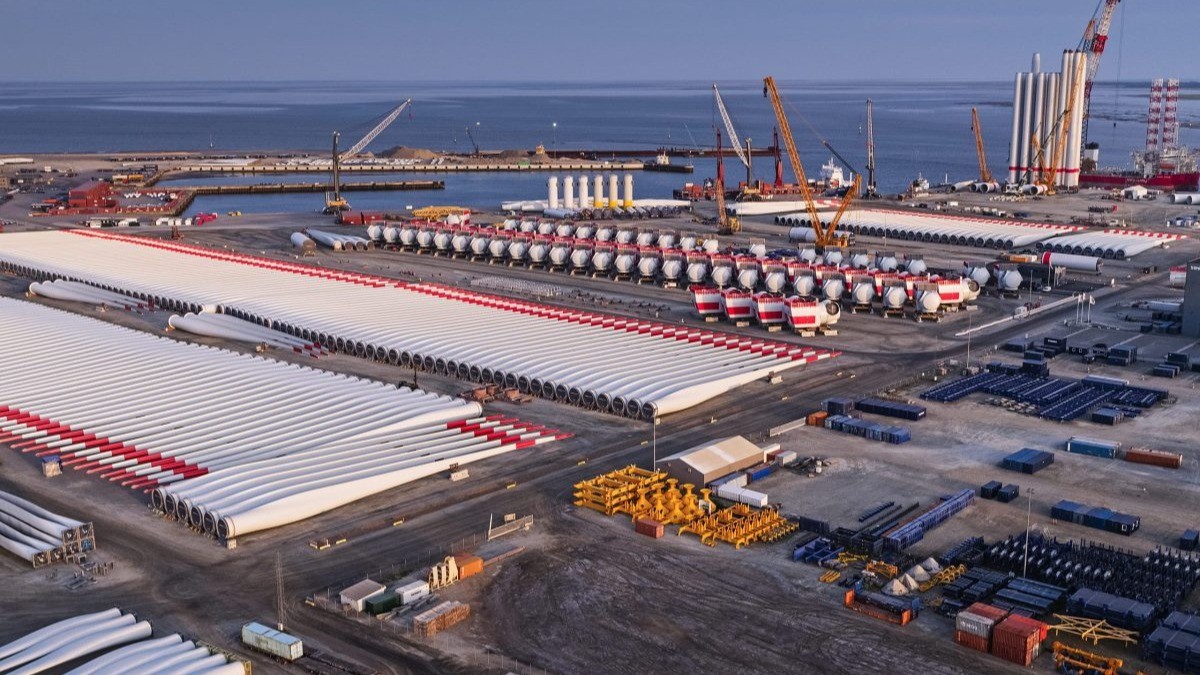
- Ports like Esbjerg are not just staging areas—they are critical manufacturing, logistics, and export hubs.
- Without upgrades, Europe faces multi-year project delays. Port capacity must grow in step with turbine scale and demand.
- Logistics now account for 12–14% of an offshore wind project’s capital expenditure. With turbines growing in size, this share may increase unless port systems evolve.
🌍 Cross-Border Collaboration: The Port Alliance Vision
- Esbjerg leads the Alliance of Major Offshore Wind Ports, which includes key sites in the UK, Germany, Netherlands, France, Poland, and Belgium.
- The alliance has published “Guidance in Planning and Operation of Offshore Wind Ports” to standardize best practices and scale port capabilities.
📈 From Local Logistics to Continental Strategy
- Offshore wind’s success is not just about energy—it’s about competitiveness, independence, and geopolitical leverage.
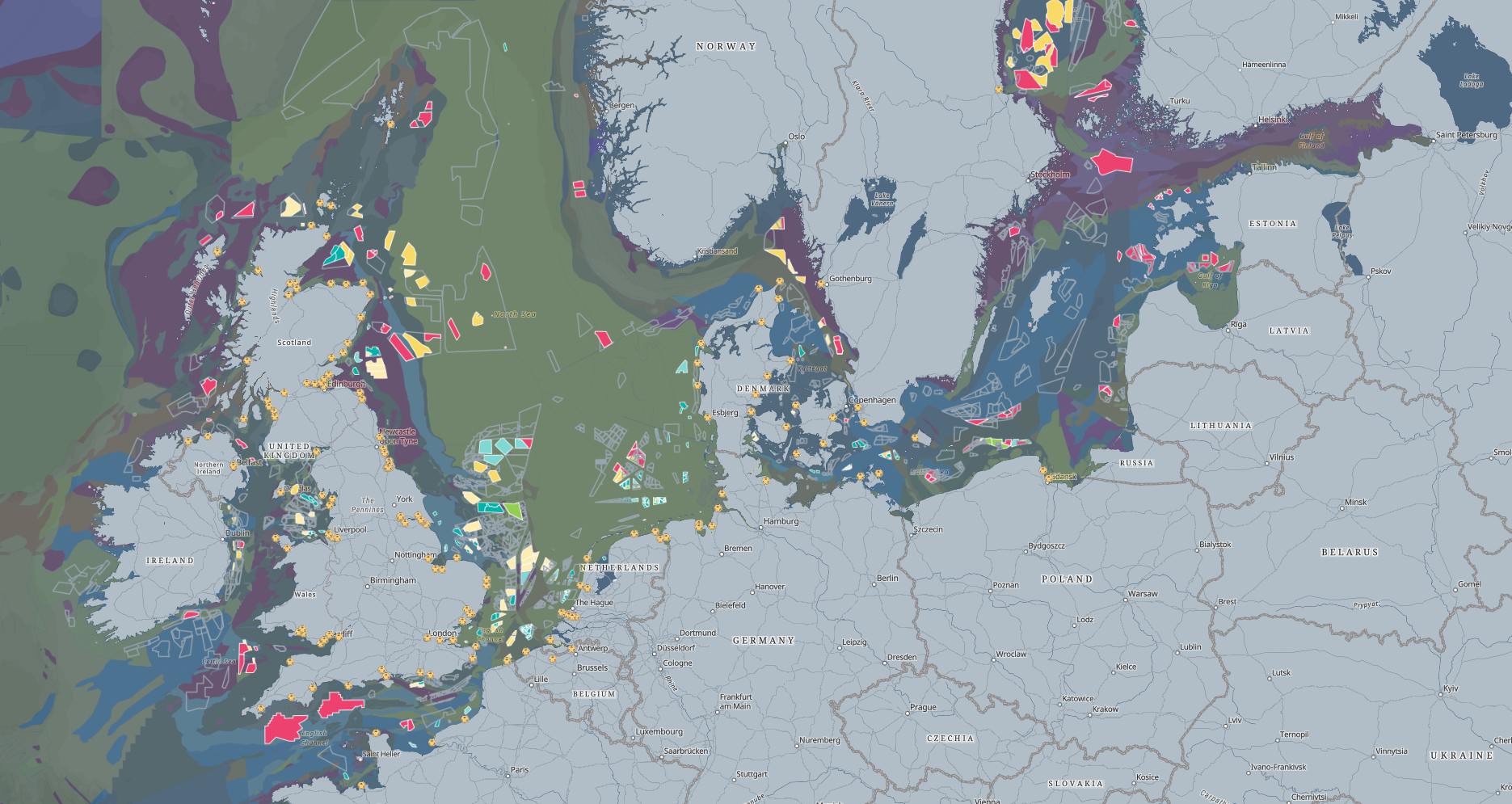
- The North Sea, particularly Denmark’s waters, holds immense potential—but Denmark alone lacks the capacity to fully exploit it.
- The idea of shared seabed access between countries is emerging as a practical, not political, solution to collective progress.
💰 Contracts and Market Tools: CfDs and PPAs
- The Draghi Report emphasized the importance of low energy prices in keeping Europe industrially competitive.
- Power Purchase Agreements (PPAs) and Contracts for Difference (CfDs) are key financial tools:
📊 A Common Strategy Is Needed
- Esbjerg advocates for an EU-wide approach similar to the Trans-European Transport Network (TEN-T)—which unified critical ports, roads, and railways.
- Offshore wind deserves the same: a core port network, streamlined regulatory pathways, and coordinated investment priorities.
- This should be backed by non-political, data-driven research into grid, supply chain, and logistics needs.
🔧 Ports as Engines of Clean Energy
- Not all ports can serve the offshore wind industry—but those that can should be equipped to lead.
- Manufacturing inside ports near project sites significantly reduces costs and emissions.
- A strategic port framework will allow Europe to build faster, cleaner, and smarter.
🌐 Conclusion: From Fragmentation to Leadership
Port Esbjerg’s call to action is clear: Europe must overcome fragmented national interests and commit to building a shared offshore wind infrastructure. Ports are not just backdrops—they are active enablers of the energy transition. With the right coordination, Europe can turn its natural offshore assets into an enduring engine of energy security, economic strength, and environmental progress.
🔗 Learn more: https://portesbjerg.dk/