Empowering EV Charging Infrastructure with Energy Storage Solutions
As electric vehicle (EV) adoption surges, the need for scalable, efficient, and grid-sensitive charging infrastructure grows. Exide Technologies, through its Customized Energy Systems (CES), is tackling these challenges by integrating battery storage with smart grid solutions, helping cities transition into e-mobility hubs.
Why EV Charging Impacts the Grid The spread of public and private EV chargers brings unique stresses to urban electricity grids. Key issues include:
- Peak-hour load from high-power public chargers.
- Localized congestion from residential and workplace chargers.
- Strain on transformers, substations, and distribution networks without strategic planning.
Smart Cities & Electrified Transport As cities evolve, EV integration is central to reducing CO₂ emissions and noise pollution. Trends include:
- Fast-charging capabilities reaching under 15 minutes.
- Growing electrification of trucks and public transport.
- Distinct charging patterns by vehicle type and usage location, requiring adaptive infrastructure.
Navigating the Challenges of Charging Logistics EV use cases differ widely—from daily commuters to high-mileage logistics drivers. Strategic needs include:
- Highway charging hubs for logistics fleets during mandated rest periods.
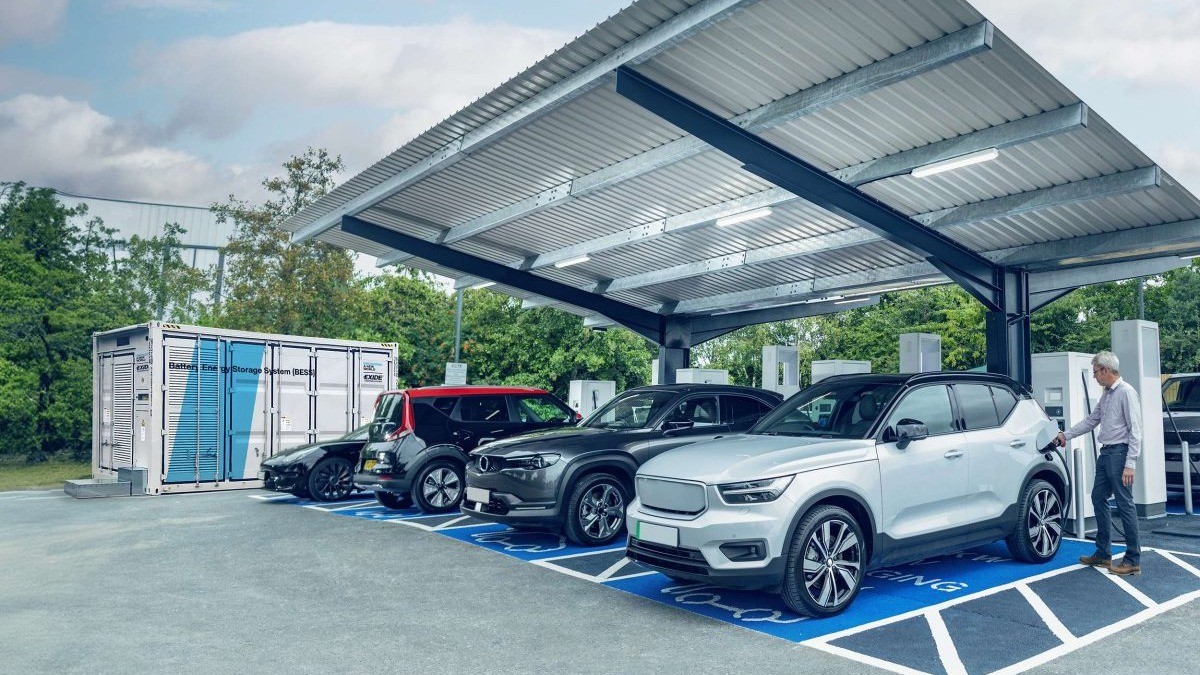
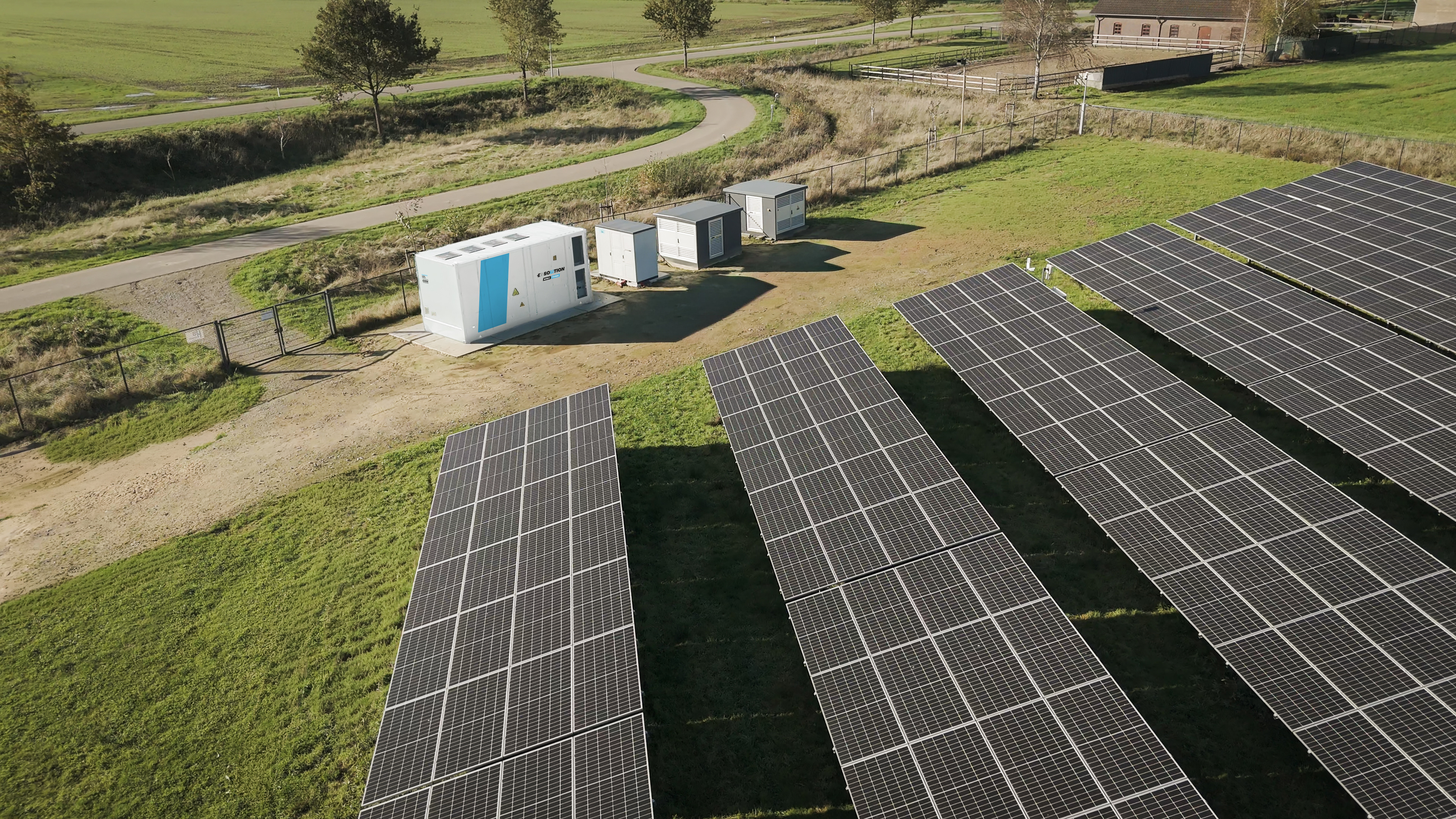
- Neighborhood battery storage and PV-powered “charging islands” for urban access without expensive cabling upgrades.
- Planned public transport charging via known routes and schedules.
Battery Energy Storage: A Game-Changer Exide’s modular battery systems act as peak shavers and grid buffers. These systems:
- Enable fast charging even where grid capacity is insufficient.
- Offer scalable power conversion tailored to real-world site conditions.
- Help grid operators avoid costly infrastructure overhauls.
Mitigating Risk with Smart Planning Avoiding under- or over-investment is vital. Strategies involve:
- Duty cycle analysis to match charger supply with realistic usage.
- Gradual deployment aligned with EV fleet growth forecasts.
- Modular design to accommodate evolving demand.
Exide’s Role in the Energy Transition With over 135 years of expertise, Exide supports industries with sustainable lead-acid and lithium-ion batteries for applications from vehicles to grid storage. Their CES division is at the forefront of integrating energy storage with EV charging, already delivering solutions across Europe and the Middle East.
By combining battery innovation with smart grid integration, Exide ensures that EV infrastructure is future-ready, resilient, and responsive to the needs of a rapidly electrifying world.
Read the full article here: https://pes.eu.com/exclusive-article/navigating-ev-charging-challenges-for-tomorrow%EF%BF%BD%EF%BF%BD%EF%BF%BDs-e-mobility/