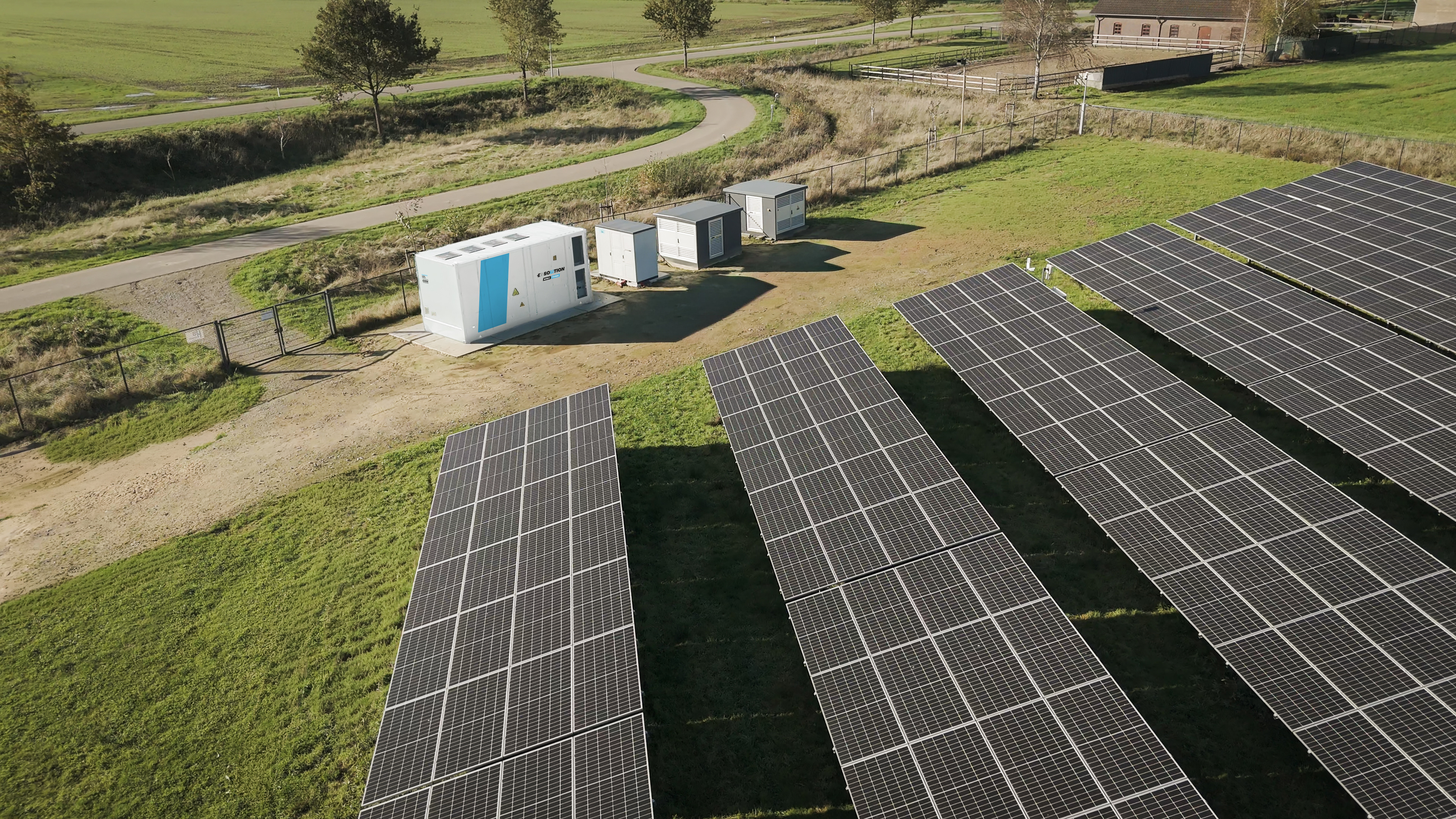
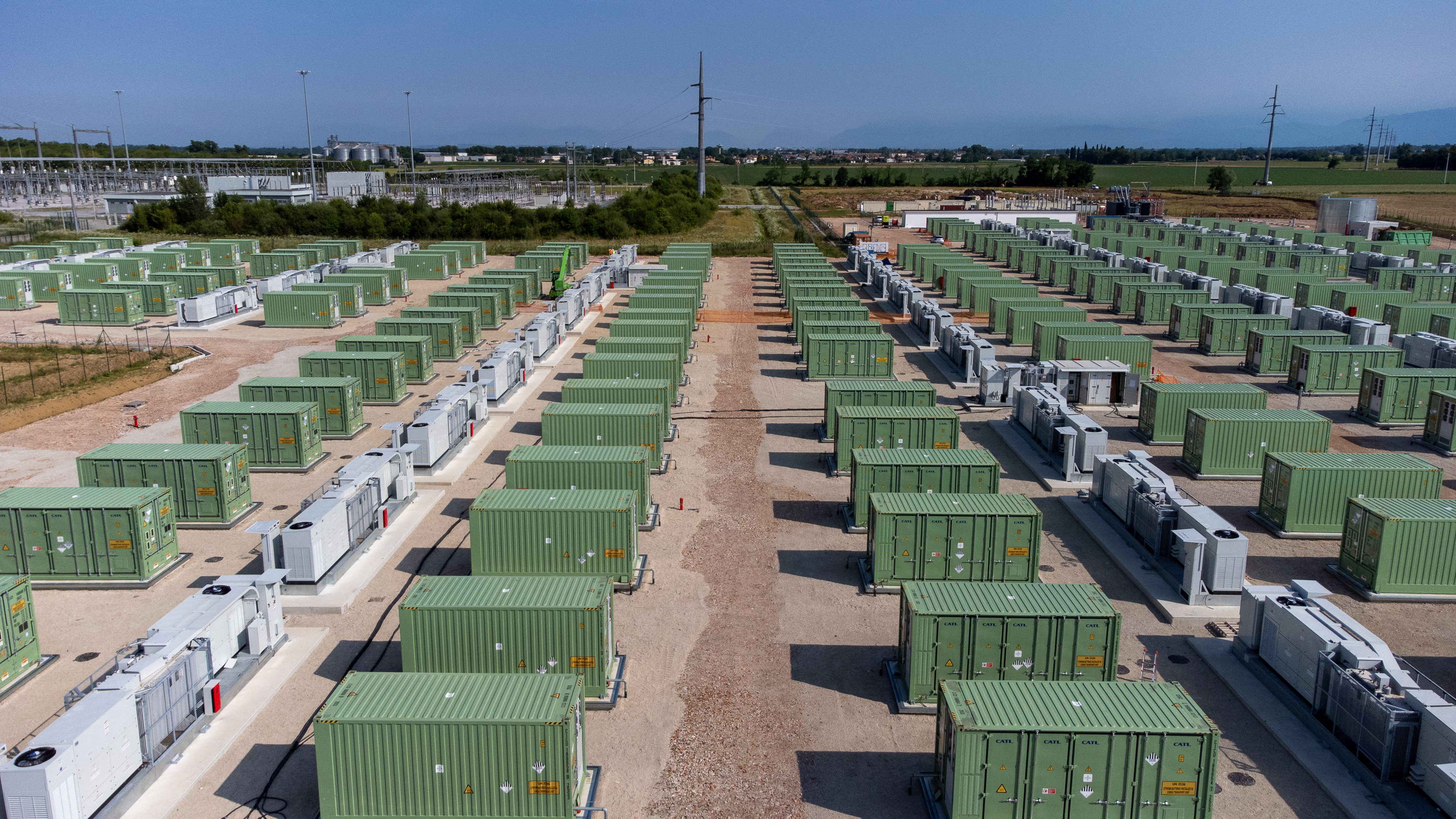
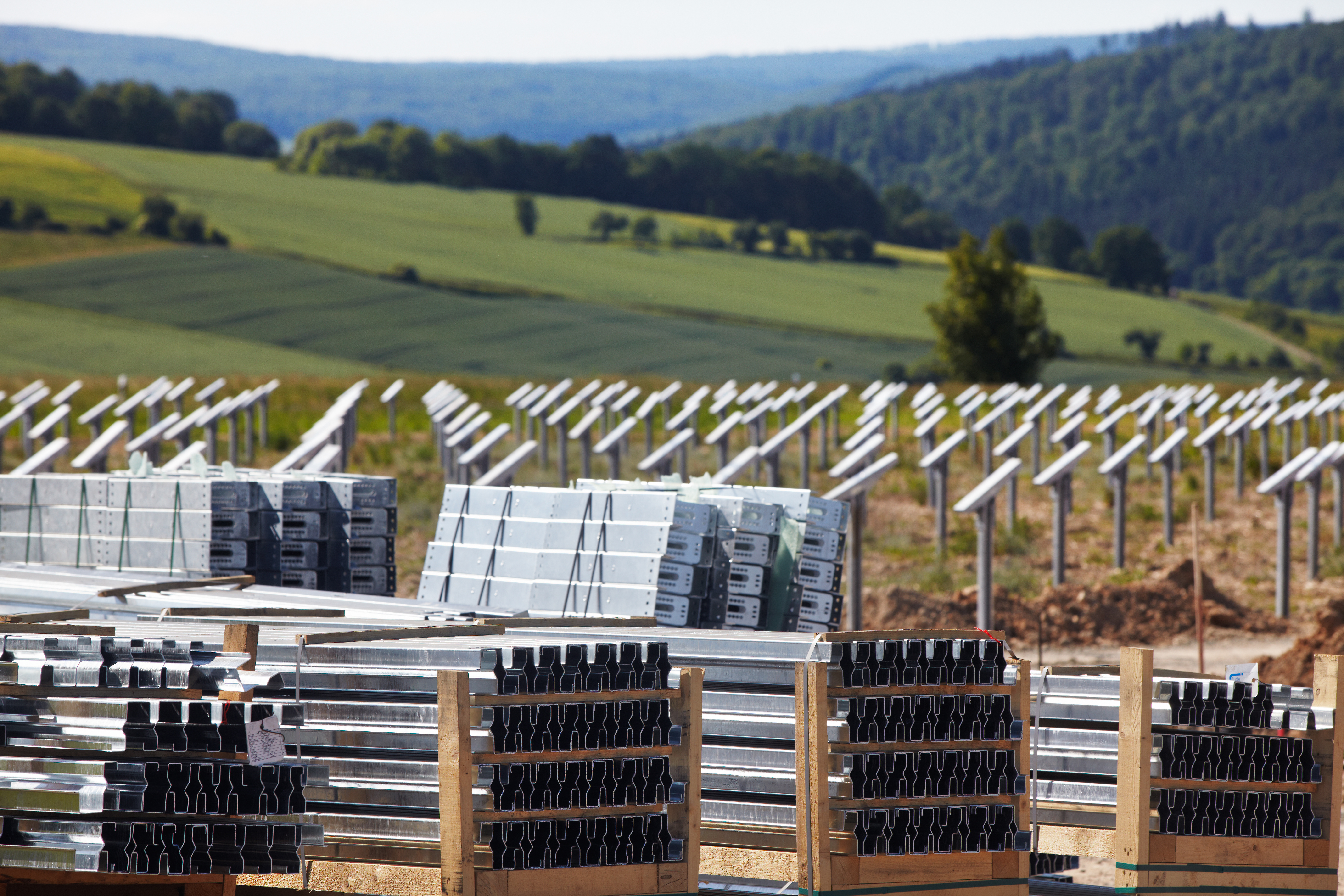
As energy markets across Europe become more dynamic, industrial companies are looking for new ways to control energy costs and improve resilience. In this changing environment, energy is no longer just a cost factor; it is becoming a strategic component of industrial competitiveness. Tobias Badelt, Global Head of Sales BESS at Exide Technologies Energy Solutions, explains how behind-the-meter (BTM) co-located battery storage integrated directly at industrial sites close to a PV system enables companies to actively manage their energy consumption, respond to price signals and optimize electricity costs.
Key drivers and the importance of behind-the-metre co-location
The transition from traditional energy consumption to active management reflects a broader shift in how modern industrial infrastructure is designed. Business cases for solar PV have started to suffer due to the sheer number of installations, while localised grids are often not fully prepared to transport the generated energy away.
- Transformer capacity sharing: PV sites are always connected to a grid connection point, typically via a transformer. This same transformer can be used for battery storage feed-in, allowing the battery system to discharge electricity when the sun is not shining.
- Optimised operational income: When the PV plant is active, the storage system can use the remaining transformer capacity for discharging, while charging is possible at all times and is often even grid-relieving. This setup allows operators to increase the overall operational income of their sites.
- Active load shifting: Companies can avoid feeding electricity back into the grid at low feed-in compensation rates. Instead, they can store their own PV generation to reduce peak loads and lower maximum import capacity (kVA) charges.
Strategic project engineering and stakeholder coordination
Industrial sites differ significantly from standard utility-scale PV plants because generation does not simply follow the sun. Industrial demand is shaped by highly variable factors, including production schedules, machinery start-ups, shift patterns and strict process constraints.
- Detailed demand assessment: Successful implementation requires a detailed initial analysis of the specific site's energy demand and physical infrastructure to ensure a strong technical and economic business case.
- Full lifecycle project structures: Because battery energy storage systems are long-term infrastructure investments, industrial users expect integrated project structures. This covers everything from engineering, procurement and construction (EPC) to long-term operations and maintenance (O&M).
- Multi-stakeholder coordination: Projects involve multiple integrated stakeholders, from technology providers and EPC partners to field operators and local service teams. Strong project management is essential to ensure efficient implementation and reliable performance over the system lifecycle.
Evolving policy frameworks and regional European playbooks
Developments in Germany illustrate a broader European trend where high and volatile electricity prices have placed considerable pressure on industrial manufacturing sectors. Government bodies and industry organisations, such as the ZVEI, are actively debating flexible industrial electricity pricing models and introducing support mechanisms that enable companies to invest in efficiency-improving technologies.
- The German focus on cost optimization: In Germany, the focus is strongly centered on industrial energy management behind the meter. Companies use intelligent energy management systems (EMS) to monitor short-term price developments on the stock market, optimize the timing of factory assets like shifting energy-intensive air compression processes and directly lower overall energy costs.
- Southern European grid services: In markets such as Spain or Italy, energy storage is heavily linked to utility-scale renewable energy integration and secondary grid services. With high levels of solar generation, storage is used to balance fluctuations in renewable power and maintain grid stability.
- Northern European environmental resilience: In the Nordics, the situation demands highly specialised system design. Storage systems must operate reliably in very low temperatures and remote locations where grid infrastructure is less dense, making robust system resilience the priority.
How is your industrial facility coordinating factory production schedules with battery storage data to maximise peak shaving and lower capacity charges? Share your thoughts in the comments below.
Looking for the full technical breakdown? To connect with Tobias Badelt and explore Exide's BESS product portfolio, visit Exide Technologies Energy Solutions at ees Europe 2026 in Munich (Hall B2, Stand B2.320) or check out the official exidegroup.com portal: https://pes.eu.com/exclusive-articles/industrial-energy-flexibility-why-co-located-battery-storage-is-gaining-momentum