A wind turbine reaching 20 or 25 years old does not necessarily need to be retired.
What matters is the condition of the asset, the components within it and whether continued maintenance makes technical and economic sense. Joel Cox, Global Sales Director (Wind) at Dellner Wind, looks at how engineering knowledge, maintenance strategy and component decisions can help operators get more from ageing turbines.
The component challenge
Turbines operating for 20, 25 or even 30 years present different challenges from new installations. Age can affect mechanical, electrical, hydraulic and control systems, while original components may become obsolete or unavailable.
Areas requiring attention can include:
- Braking and hydraulic systems
- Pitch equipment
- Bearings and gearboxes
- Control systems
- Seals, hoses and valves
- Electrical components
These systems are interconnected. A relatively small component can become critical if its failure affects another system or prevents safe turbine operation.
Operating environment matters too. Cold temperatures, moisture, salt, corrosion and ice can influence component life. Offshore failures can be particularly costly because weather, vessel availability and access affect how quickly repairs can be completed.
Moving towards strategic maintenance
Cox believes that maintaining an ageing turbine requires more than replacing parts when they fail.
Operators increasingly have access to condition monitoring and historical operating data, allowing maintenance to become more data-driven rather than relying solely on fixed schedules.
Useful questions include how much life remains in a component, what the consequences of failure would be and whether it can realistically support the turbine through its remaining operating life.
However, more data does not automatically produce better decisions.
Engineering experience remains important for understanding whether a change in data represents the underlying problem or merely a symptom. The most effective approach combines operational evidence with knowledge of the equipment and its failure modes.
Keeping practical knowledge in the process
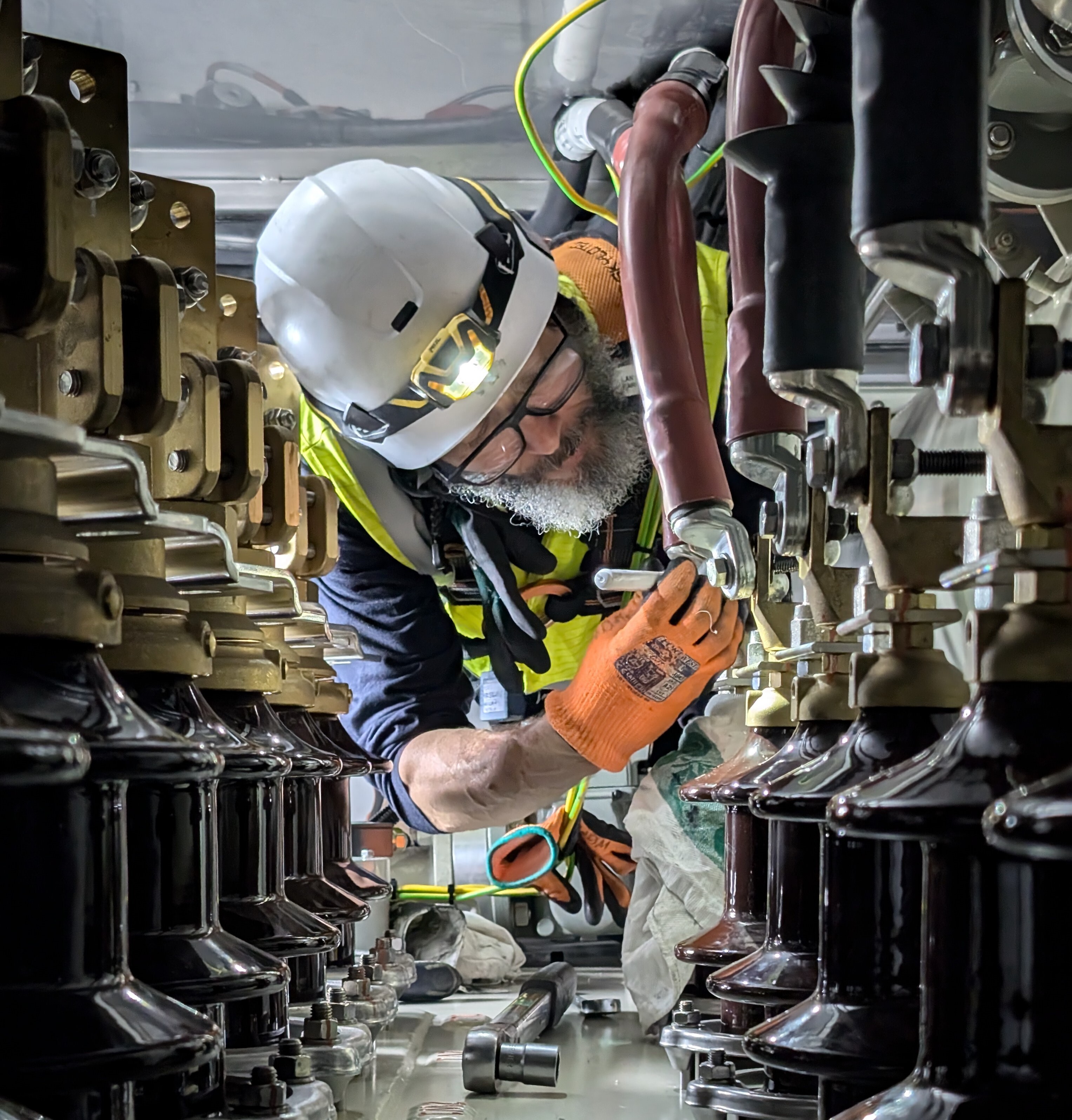
Technology can identify trends and generate alarms, but technicians still need to inspect, diagnose and repair equipment.
Cox believes that this expertise becomes more valuable as turbines accumulate years of modifications and repairs. Technicians will also need broader skills spanning mechanical, electrical, hydraulic, braking and control systems, alongside condition monitoring and digital tools.
Lessons from individual failures should then feed back into future maintenance. Rather than simply replacing a failed component, operators should identify the root cause, repair or refurbish the equipment, test the result and retain what was learned.
Repair, refurbish or replace?
A turbine’s age is only one factor when deciding whether to keep it in operation.
Depending on the condition of the asset and the economics of continued operation, operators may opt for repair, refurbishment, component replacement or repowering. Refurbishment can extend a turbine’s productive life when the main structure remains sound but individual components are starting to deteriorate.
The decision should consider not only immediate expenditure but also downtime, lost generation, emergency mobilisation, component availability and the risk of secondary damage.
For ageing turbines, getting the maintenance decision right can be just as important as making the repair itself.
Read the full interview in PES Wind: https://pes.eu.com/exclusive-articles/beyond-building-new-turbines