As global wind energy deployment accelerates, meeting ambitious targets over the next decade is shifting from a matter of aspiration to a challenge of pure execution. Turbines are growing larger, projects are becoming increasingly complex and supply chains remain under sustained pressure.
While technological innovation and policy targets frequently dominate industry headlines, the real operational challenge lies in managing large-scale operations efficiently, safely and with minimal risk to project timelines.
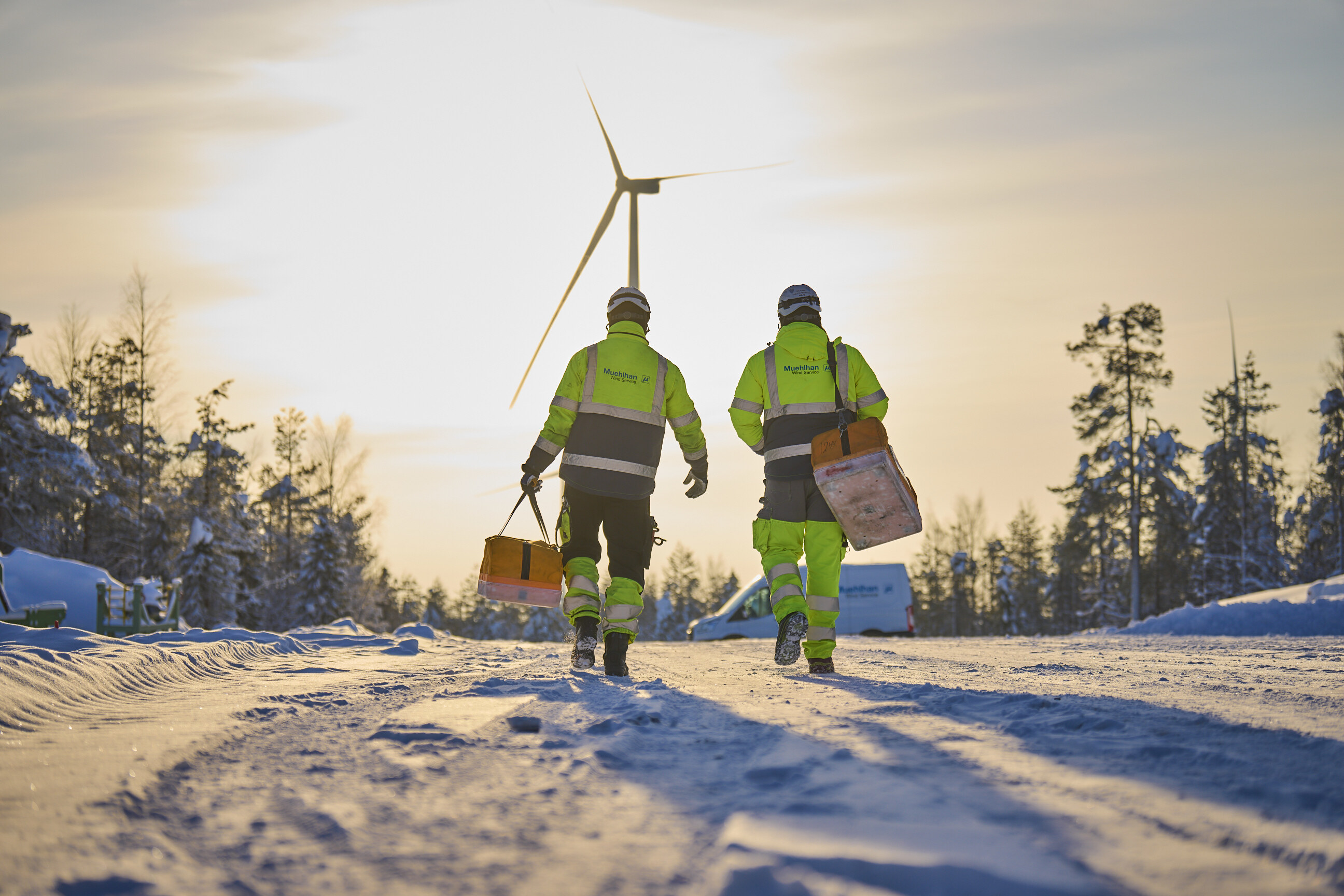
To streamline these fragmented workflows, Muehlhan Wind Service, MWS, has integrated six specialist companies into a single cohesive entity. This approach offers a single point of contact to cut complexity and support faster, more reliable onshore and offshore project delivery.
Moving past the fragmented contractor model
Traditional wind construction and maintenance strategies often rely on a patchwork of niche contractors. Managing multiple independent interfaces across a single project introduces significant operational friction:
- Siloed communication: Separate contracts for port pre-assembly, mechanical installation, electrical integration and blade repair lead to communication gaps and delayed handovers.
- Compounding timeline risks: If a weather window closes or a logistics delay hits one contractor, the schedule disruption cascades across all subsequent workstreams.
- Complex contract management: Asset owners and OEMs must dedicate substantial internal resources just to manage various supplier interfaces, legal terms and localized health and safety standards.
By consolidating these multidisciplinary capabilities under a single brand, operators can successfully transition from high-risk transactional purchasing to fully synchronized project execution.
The scope of a unified interface
An integrated service model spans the entire lifecycle of an asset, ensuring that technical expertise is maintained from early port mobilization through to long-term operations and maintenance:
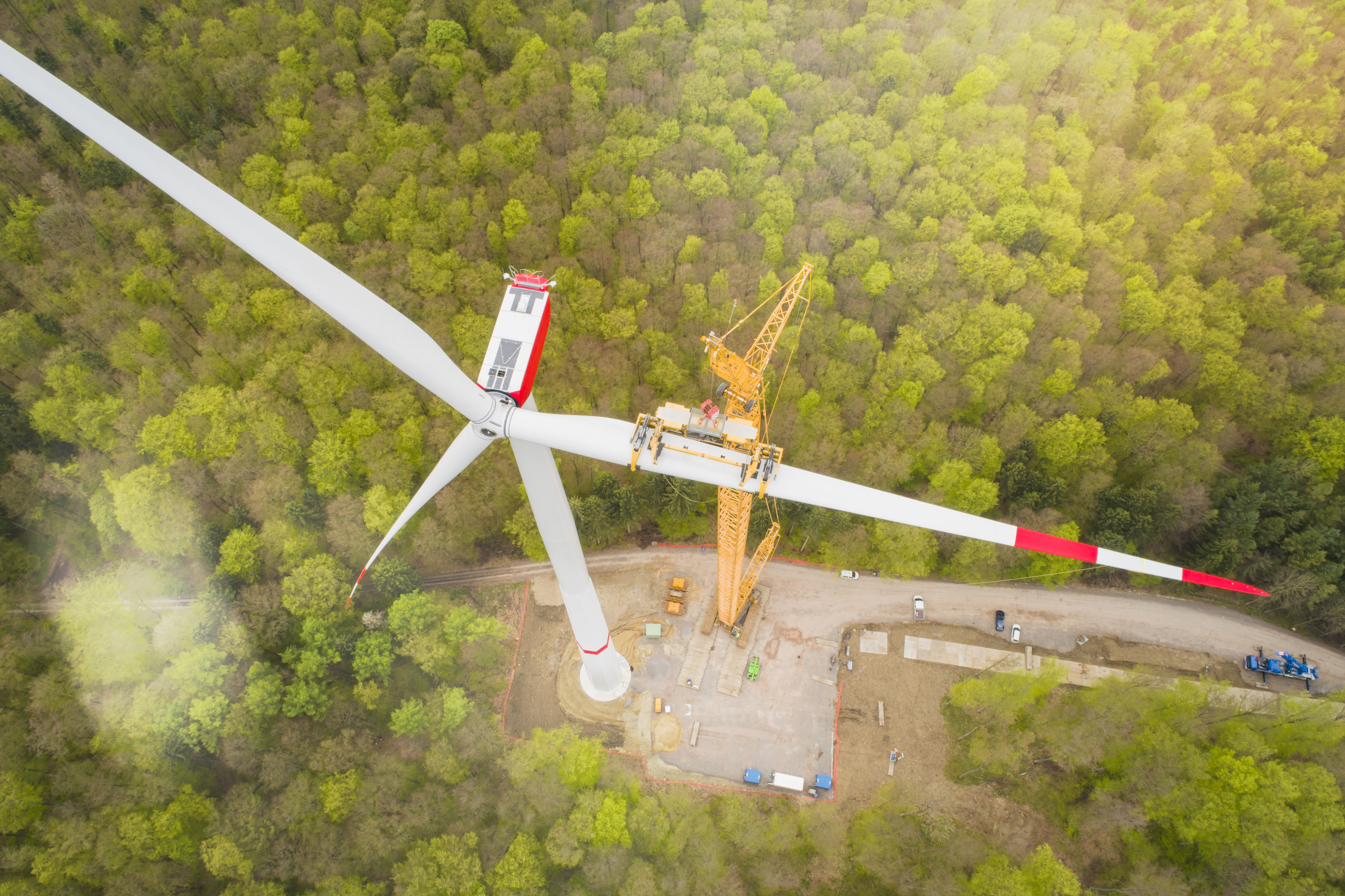
- Pre-assembly and port logistics: Managing heavy-lift components and structural readiness before the asset ever moves to its final position.
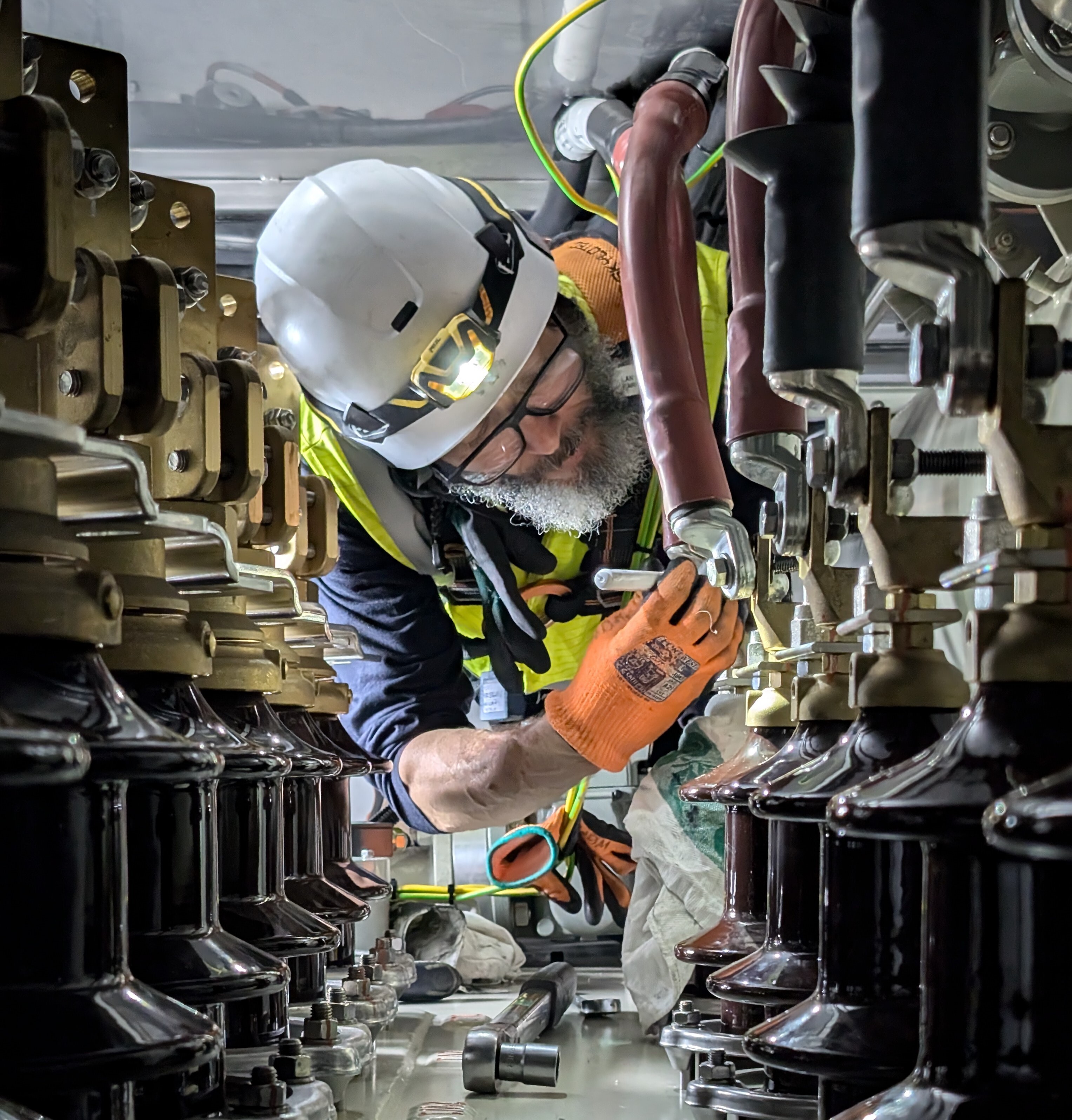
- Installation and commissioning: Executing mechanical installation alongside complex high-voltage electrical integration under unified project oversight.
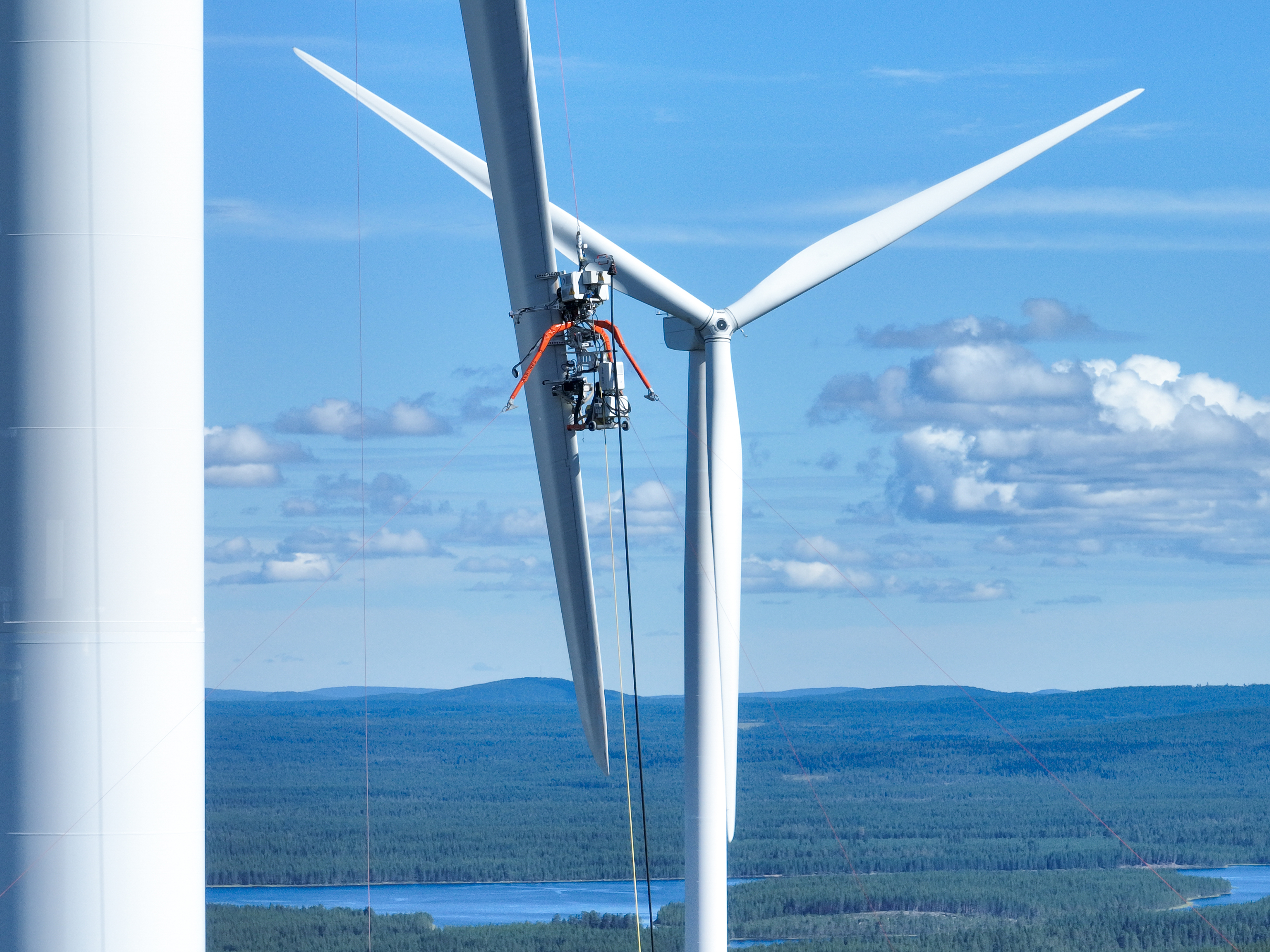
- Blade protection and quality Inspection: Performing advanced composite blade repairs and quality assurance checks to lock in structural integrity from day one.
Managing risk and institutional knowledge at scale
Succeeding across diverse regulatory and marine environments requires strict procedural discipline. Implementing uniform safety standards across distinct teams ensures that operational risks are managed consistently, regardless of project scale.
Furthermore, using centralised planning and standardized reporting tools helps retain critical institutional knowledge. This shared analytical foundation accelerates the onboarding of new personnel and prevents vital operational insights from being lost between separate project phases.
Ultimately, as turbine dimensions continue to expand, the wind industry must treat execution capability as a safety-critical science, where integrated delivery is the key to protecting margins and hitting global capacity targets.
How is your team reducing supplier interface complexity to safeguard installation timelines for upcoming campaigns? Share your thoughts in the comments below.
Looking for the full technical breakdown? To read the complete corporate focus and explore the integrated service delivery model, visit the official Muehlhan Wind Service website: https://pes.eu.com/exclusive-articles/extending-wind-energy-delivery-executing-at-scale-with-integrated-services